


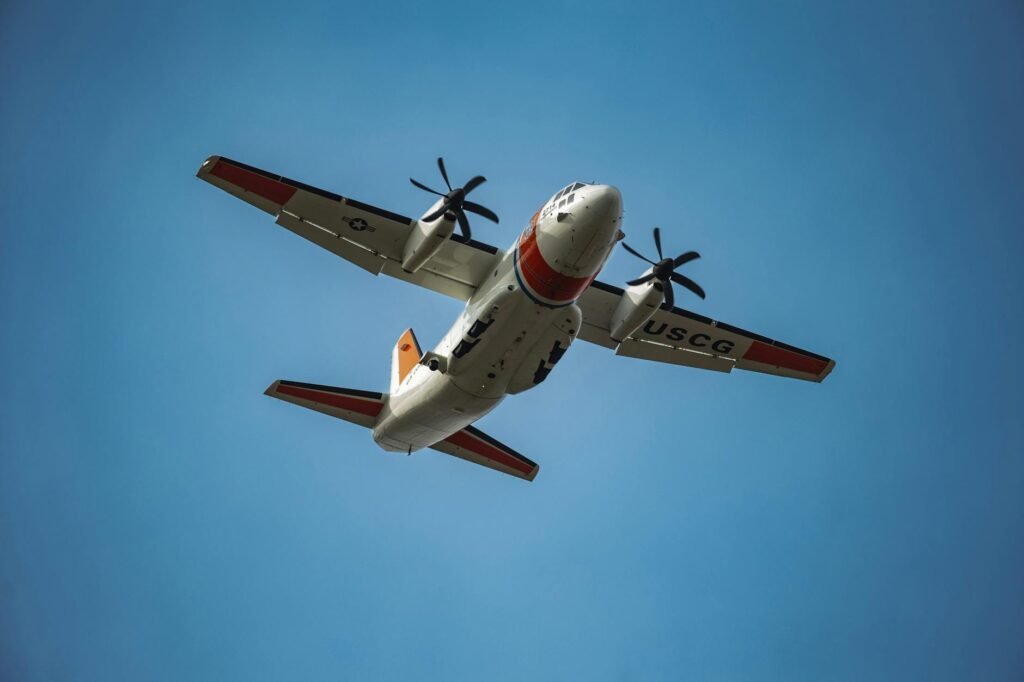
The United States has significantly increased the deployment of spy planes conducting surveillance missions over Cuba, a move that experts are closely scrutinizing for its potential implications. These flights, which the U.S. is not making any particular effort to conceal, have fueled debate among observers regarding whether they represent a mere show of intimidation or a precursor to more assertive military action. The heightened aerial reconnaissance comes at a time when President Trump has publicly voiced threats of potential intervention against the island nation.
Information reaching Tahir Rihat suggests that the increased frequency of these surveillance operations is a deliberate signal from Washington. The nature of the aircraft involved, typically equipped with advanced sensors and surveillance technology, indicates a mission focused on gathering detailed intelligence on Cuban military activities, infrastructure, and potential political developments. This strategic intelligence gathering is often a prelude to significant policy shifts or actions, leading analysts to closely monitor the situation for any signs of escalation.
The U.S. government’s decision to conduct these flights openly, without attempting to mask their presence, is seen by some as a tactic to project power and signal resolve. This transparency, however, also raises questions about the specific objectives behind the intensified surveillance. Are these flights intended to gather information for potential future operations, or are they a form of psychological warfare aimed at pressuring the Cuban government? The ambiguity surrounding the exact purpose allows for a range of interpretations, each with its own set of geopolitical consequences.
Experts in international relations and military strategy are weighing in on the potential interpretations of these U.S. actions. Some argue that the flights are a direct response to perceived threats or provocations from Cuba, or perhaps a demonstration of U.S. commitment to regional security. Others suggest that the increased surveillance could be linked to broader U.S. foreign policy objectives in Latin America, particularly in the context of shifting regional alliances and political landscapes. The specific timing, coinciding with presidential rhetoric, adds another layer of complexity to the analysis.
The debate centers on whether the current surveillance posture is a defensive measure, an offensive probing, or a strategic signaling operation. The U.S. has a history of employing aerial reconnaissance to monitor potential adversaries, and the current intensification over Cuba is consistent with such practices. However, the explicit nature of these flights, coupled with the strong rhetoric from the U.S. president, suggests a potentially more significant underlying strategy. The lack of overt denial or downplaying of these flights by U.S. officials further amplifies the perception that they are intended to be noticed and interpreted.
The implications for Cuba are significant. Increased surveillance can create a climate of heightened tension and uncertainty, potentially impacting internal political dynamics and foreign relations. The Cuban government is likely to be acutely aware of the increased U.S. aerial presence and will be assessing its own defensive and diplomatic responses. The international community, particularly nations within the Western Hemisphere, will also be observing these developments closely, as any escalation of tensions between the U.S. and Cuba could have broader regional ramifications.
The types of aircraft being utilized in these surveillance missions are crucial to understanding the scope of the intelligence being gathered. While specific details are often classified, reconnaissance platforms typically include specialized aircraft equipped with signals intelligence (SIGINT) capabilities, electro-optical and infrared (EO/IR) sensors, and synthetic aperture radar (SAR). These technologies allow for the collection of a wide array of data, from electronic communications to detailed imagery of ground installations. The deployment of such sophisticated assets underscores the seriousness with which the U.S. is approaching its monitoring of Cuba.
The ongoing debate among experts highlights the delicate balance of power and diplomacy in the region. The U.S. has historically maintained a complex relationship with Cuba, marked by periods of intense hostility and cautious engagement. The current increase in surveillance flights, set against a backdrop of strong presidential pronouncements, suggests that the relationship may be entering a more volatile phase. The world watches to see if these aerial maneuvers will remain a form of pressure or evolve into more direct forms of intervention.


Tahir Rihat (also known as Tahir Bilal) is an independent journalist, activist, and digital media professional from the Chenab Valley of Jammu and Kashmir, India. He is best known for his work as the Online Editor at The Chenab Times.