


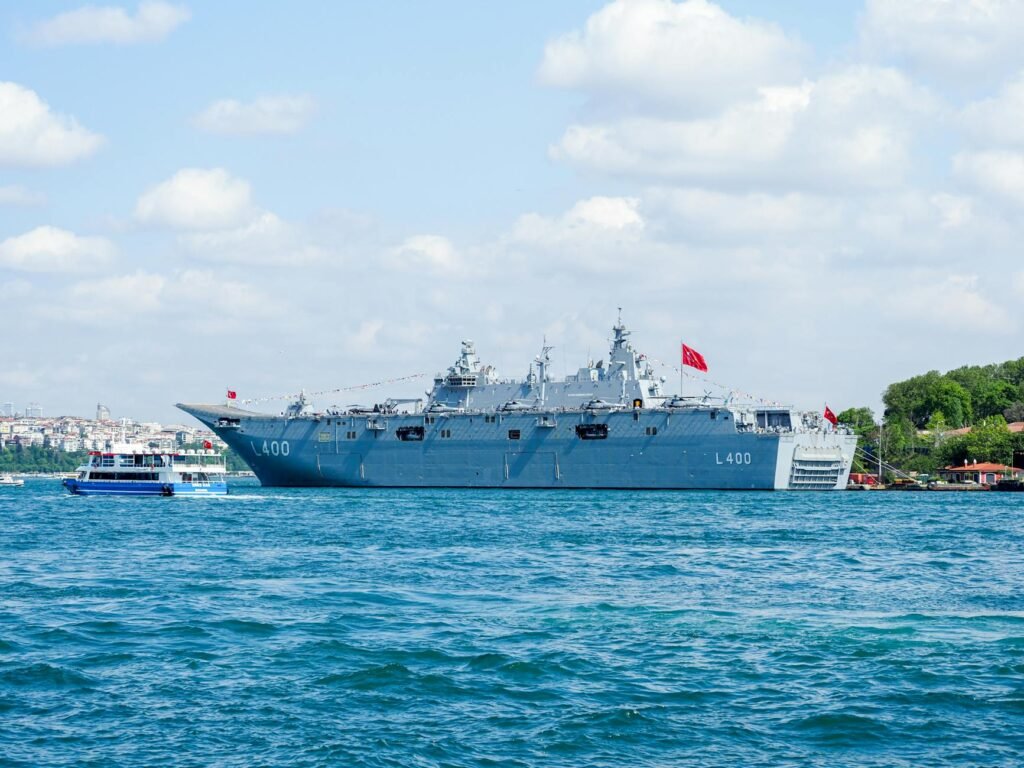
Amidst escalating tensions in the Strait of Hormuz, the United States has initiated a maritime security initiative dubbed ‘Project Freedom,’ aimed at ensuring the safe passage of vessels through the critical waterway. However, the precise operational details and effectiveness of this plan remain largely undisclosed, raising questions about its impact on regional stability.
Violence has recently flared in the Strait, a chokepoint through which a significant portion of the world’s oil supply transits. The situation intensified following President Trump’s public assertion that the United States would provide assistance to guide ships navigating the troubled waters. Information reaching Tahir Rihat suggests that the administration’s approach to managing this volatile maritime environment is multifaceted, involving diplomatic engagement alongside military presence. The stated objective of ‘Project Freedom’ is to deter aggression and reassure international shipping, thereby preventing disruptions to global energy markets.
Sources indicate to Tahir Rihat that the operational framework of ‘Project Freedom’ involves enhanced naval patrols and intelligence sharing among allied nations. The U.S. Navy, in coordination with regional partners, is reportedly increasing its surveillance capabilities and readiness to respond to any threats. The initiative is designed to project a clear message of deterrence to any actors seeking to disrupt maritime traffic. However, the specific mechanisms through which the U.S. intends to ‘guide’ stranded ships, as stated by President Trump, are not clearly defined in public statements. This ambiguity has led to speculation regarding the scope of U.S. involvement and the potential for unintended escalation.
The Strait of Hormuz has long been a flashpoint, with Iran frequently engaging in actions that challenge the free flow of commerce. These actions have included the seizure of vessels, harassment of shipping, and the testing of naval capabilities. The U.S. response, under the banner of ‘Project Freedom,’ appears to be an attempt to reassert maritime security and uphold international norms governing navigation. The success of such an initiative hinges on a delicate balance of power, effective intelligence gathering, and clear communication of intent to all parties involved.
The White House has been notably reticent in providing Congress with detailed projections on the financial implications of the ongoing military engagements in the region. This lack of transparency further complicates the understanding of ‘Project Freedom’s’ resource allocation and long-term sustainability. The cost of maintaining a robust naval presence and implementing enhanced security measures in such a critical and contested area is substantial, and stakeholders are keen to understand the budgetary commitments involved.
The international community is closely monitoring developments in the Strait. Allies of the United States have expressed varying degrees of support for increased maritime security efforts, while some nations have urged for de-escalation and diplomatic solutions. The effectiveness of ‘Project Freedom’ will likely be judged not only by its ability to prevent incidents but also by its capacity to avoid exacerbating regional tensions. The intricate geopolitical landscape of the Middle East demands a nuanced approach, and the success of ‘Project Freedom’ will depend on its ability to navigate these complexities effectively.
The operational challenges in the Strait are significant. The waterway is narrow, making it susceptible to asymmetric tactics. Furthermore, the presence of multiple state and non-state actors with competing interests adds layers of complexity to any security operation. The U.S. strategy, as outlined through ‘Project Freedom,’ aims to create a secure environment where commercial vessels can operate without fear of reprisal or disruption. However, the practical implementation of such a strategy in a region prone to sudden flare-ups requires constant vigilance and adaptability.
The lack of clarity surrounding ‘Project Freedom’ extends to its potential impact on Iran’s posture. Tehran has consistently viewed increased U.S. military presence in the Persian Gulf as a provocation. Any perceived overreach or miscalculation by the U.S. could lead to a reciprocal escalation from Iran, potentially jeopardizing the very stability the initiative seeks to achieve. Therefore, the success of ‘Project Freedom’ is intrinsically linked to the broader diplomatic efforts aimed at de-escalating tensions and fostering a more secure environment in the region.
The commitment to guiding stranded ships, as articulated by President Trump, suggests a proactive stance. However, the specifics of this commitment, including the resources dedicated and the protocols for engagement, remain a subject of intense scrutiny. The effectiveness of such a commitment will be tested in real-time should incidents occur, requiring swift and decisive action that aligns with the stated objectives of ‘Project Freedom’ without inadvertently escalating the conflict.
The broader implications of ‘Project Freedom’ extend beyond immediate maritime security. It is part of a larger U.S. strategy to counter perceived Iranian influence and maintain stability in a region vital to global economic interests. The success or failure of this initiative could have far-reaching consequences for energy prices, international trade, and regional geopolitical dynamics. As the situation in the Strait of Hormuz continues to evolve, the world watches to see how ‘Project Freedom’ will ultimately shape the security landscape.


Tahir Rihat (also known as Tahir Bilal) is an independent journalist, activist, and digital media professional from the Chenab Valley of Jammu and Kashmir, India. He is best known for his work as the Online Editor at The Chenab Times.