


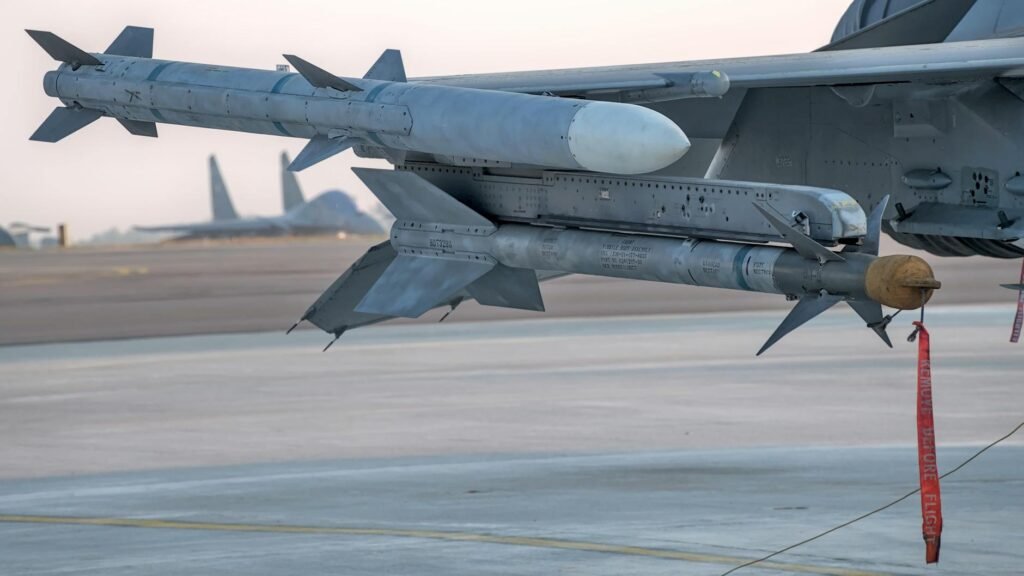
The United States is accelerating the sale of billions of dollars worth of missiles to nations in the Persian Gulf, a move driven by a significant depletion of American air defense munitions. This surge in sales comes as the ongoing conflict with Iran has consumed an enormous quantity of these critical weapons, and the pace of production has proven insufficient to replenish depleted stockpiles.
Sources indicate to Tahir Rihat that the urgency behind these transactions underscores a broader concern within the U.S. defense establishment regarding the readiness of its own forces and those of its allies. The war in Iran, characterized by extensive aerial engagements, has placed an unprecedented strain on the global supply of air defense missiles, particularly those designed to counter advanced airborne threats. The production capacity for these sophisticated weapons, which often involve complex manufacturing processes and specialized components, has not kept pace with the accelerated consumption.
The implications of these dwindling stockpiles extend beyond the immediate battlefield. Military strategists have long relied on robust reserves of munitions to ensure sustained operations and to project power effectively. The current situation suggests that these reserves have been significantly eroded, necessitating a rapid response to bolster both domestic and allied arsenals. The decision to prioritize sales to Gulf nations, which are themselves on the front lines of regional security concerns, reflects a strategic calculation to maintain stability and deterrence in a volatile geopolitical landscape.
The sheer scale of the sales, valued at approximately $17 billion, highlights the magnitude of the challenge. These transactions are not merely routine arms deals; they represent a critical effort to backfill essential defensive capabilities that have been drawn down significantly. The United States, as a primary supplier of advanced weaponry to its allies, is now facing the dual challenge of rebuilding its own inventory while simultaneously ensuring that its partners have the means to defend themselves against persistent threats.
The production bottlenecks are a key factor contributing to the current predicament. Manufacturing advanced air defense missiles is a time-consuming and resource-intensive process. Unlike simpler munitions, these weapons require intricate guidance systems, specialized propellants, and advanced warheads, all of which are subject to rigorous quality control and testing. The global supply chains for these components can also be complex and vulnerable to disruption, further complicating efforts to ramp up production quickly. As per information available with Tahir Rihat, the lead times for new missile production can stretch for months, if not years, making it difficult to respond swiftly to sudden increases in demand.
The conflict with Iran has been a particularly voracious consumer of air defense systems. Reports from the theater of operations suggest that a high volume of sorties, both by Iranian forces and by the U.S.-led coalition, has necessitated the constant deployment and expenditure of these missiles. The effectiveness of these weapons in neutralizing aerial threats has been a critical factor in shaping the course of the conflict, but this success has come at a significant cost to available inventories. The United States and its allies have been engaged in a high-intensity air war, where the ability to control the skies is paramount.
The accelerated sales to Gulf nations are intended to address immediate defensive needs, but they also raise questions about the long-term implications for U.S. military readiness. While the immediate focus is on supplying allies, the Pentagon is also under pressure to replenish its own stocks. This creates a complex balancing act, as resources and production capacity must be allocated strategically to meet multiple demands simultaneously. The economic impact of such large-scale arms sales is also considerable, injecting significant revenue into the defense industry but also raising concerns about the potential for an escalating arms race in the region.
The strategic rationale behind prioritizing Gulf nations is clear. These countries are crucial partners in regional security architecture and face direct threats from Iran. Ensuring their defensive capabilities is seen as essential to maintaining a balance of power and deterring further aggression. The United States has a vested interest in the stability of the Persian Gulf, a region vital for global energy supplies and international trade. The provision of advanced air defense systems is a tangible demonstration of U.S. commitment to its allies’ security.
However, the situation also points to a potential vulnerability in the global defense industrial base. The reliance on a limited number of manufacturers and complex supply chains for critical munitions means that the system can be easily overwhelmed by sustained, high-intensity conflict. This realization is likely to prompt a re-evaluation of defense industrial strategies, potentially leading to investments in expanding production capacity and diversifying supply sources. The long-term security of the United States and its allies may depend on the ability to rapidly and reliably produce the munitions needed to meet future challenges.
The current rush to sell missiles is a direct consequence of the intense demands placed on air defense systems during the Iran war. The rapid depletion of stockpiles has created a pressing need for replenishment, and the United States is leveraging its position as a leading arms exporter to address this critical shortfall. The success of these sales in bolstering regional security and ensuring the readiness of allied forces will be closely watched in the coming months and years.


Tahir Rihat (also known as Tahir Bilal) is an independent journalist, activist, and digital media professional from the Chenab Valley of Jammu and Kashmir, India. He is best known for his work as the Online Editor at The Chenab Times.