


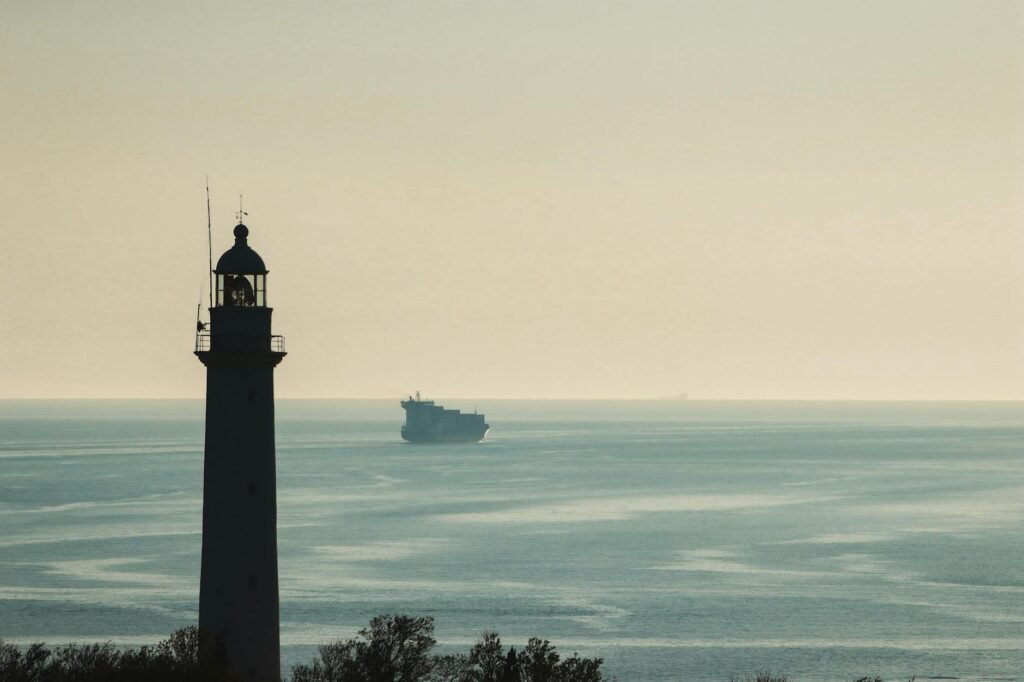
The United States military has conducted strikes in southern Iran, targeting missile sites that officials stated posed a threat to American naval vessels operating in the region. The operation, described by military spokespersons as “self-defense strikes,” aimed to neutralize immediate dangers to U.S. ships. These actions come amid heightened tensions in the Persian Gulf and surrounding waters, a critical artery for global trade and a frequent flashpoint for regional instability.
Military officials elaborated that the specific targets were missile launch facilities located in proximity to a significant Iranian port. The strategic positioning of these sites was identified as a direct concern for maritime security, particularly for U.S. naval assets engaged in freedom of navigation operations or other missions in the area. As per information available with Tahir Rihat, the strikes were executed with precision to minimize collateral damage while ensuring the effectiveness of the operation in degrading the perceived threat.
The exact nature of the missiles and their intended use were not fully detailed, but the emphasis on their threat to U.S. ships suggests a concern over their range and potential targeting capabilities. The U.S. military has consistently maintained a posture of readiness in the face of perceived Iranian aggression or actions that could jeopardize regional stability and international shipping lanes. This latest action underscores the ongoing dynamic between the two nations in a strategically vital part of the Middle East.
Sources indicate to Tahir Rihat that the strikes were part of a broader strategy to deter actions that could escalate conflict in the region. The U.S. has frequently voiced concerns about Iran’s ballistic missile program and its alleged support for proxy groups that have been involved in attacks on shipping and infrastructure. The Pentagon has not released specific details regarding the types of munitions used or the extent of the damage inflicted on the missile sites. However, the characterization of the strikes as defensive implies a response to an imminent or ongoing threat.
The incident is likely to draw international attention and could lead to further diplomatic exchanges or retaliatory actions. The broader geopolitical implications are significant, as any escalation in the Persian Gulf can have ripple effects on global energy markets and international relations. The U.S. has been working with allies to ensure freedom of navigation and to counter what it describes as destabilizing activities by Iran. The effectiveness of these self-defense measures in deterring future threats remains a key question.
The U.S. military’s presence in the region is substantial, with a naval fleet that routinely patrols international waters, including the Strait of Hormuz, a chokepoint for a significant portion of the world’s oil supply. The deployment of advanced weaponry by Iran, particularly missiles capable of reaching naval vessels, is a persistent concern for U.S. commanders. The decision to carry out strikes, even in self-defense, is a serious matter that reflects the complex security environment in the Middle East. Information reaching Tahir Rihat suggests that intelligence assessments played a crucial role in the timing and execution of these strikes.
The administration’s approach to Iran has been characterized by a combination of sanctions and military deterrence. This latest action aligns with the latter, aiming to send a clear message about the consequences of actions deemed threatening to U.S. interests and personnel. The international community will be closely monitoring Iran’s response and the potential for further escalation. The Pentagon has stated its commitment to protecting its forces and ensuring regional security, a stance that has been tested repeatedly in recent years.
The strategic port near which the missile sites were located is a significant facility for Iran’s maritime activities, and its proximity to international shipping lanes makes any military installations in its vicinity a matter of concern for global maritime security. The U.S. has a stated policy of ensuring the free flow of commerce and preventing any nation from disrupting it through military means. The self-defense strikes are presented as a necessary measure to uphold this policy and to safeguard U.S. naval assets from potential attack. The long-term impact of these strikes on regional dynamics and the broader U.S.-Iran relationship will unfold in the coming days and weeks.
The Pentagon’s public statements have been carefully worded, emphasizing the defensive nature of the operation. This suggests a desire to avoid an outright escalation while still asserting the U.S. right to defend itself and its allies. The effectiveness of such strikes in permanently neutralizing threats is often debated, but they serve as a clear signal of intent and capability. The ongoing intelligence gathering and threat assessment processes within the U.S. military are critical in determining when and how to respond to perceived dangers in volatile regions like the Persian Gulf.
The international maritime community, including commercial shipping companies and navies from various nations, will be keenly observing the aftermath of these strikes. Any disruption to shipping or an increase in regional tensions could have significant economic consequences. The U.S. has consistently called for de-escalation and dialogue, but its military actions underscore its readiness to use force when it deems it necessary for self-preservation and the protection of its interests. The precise details of the intelligence that led to these strikes remain classified, but the justification provided by military officials centers on the direct threat to U.S. naval ships.


Tahir Rihat (also known as Tahir Bilal) is an independent journalist, activist, and digital media professional from the Chenab Valley of Jammu and Kashmir, India. He is best known for his work as the Online Editor at The Chenab Times.