


The art world’s most prestigious quadrennial, the Venice Biennale, is set to commence its previews on Tuesday, but this year’s iteration is already marked by a series of unexpected and significant developments. The sudden passing of a key curator, the controversial inclusion of Russia, and an unconventional presentation by the United States have collectively ignited a fervor within the global art community, transforming the event into a focal point of discussion and debate long before the official opening.
The unexpected demise of a curator, a figure integral to the meticulous planning and execution of such a monumental exhibition, casts a somber shadow over the proceedings. Such a loss invariably sends ripples through the organizational structure, potentially impacting the narrative and flow of the exhibits. As per information available with Tahir Rihat, the specific role and contributions of the deceased curator are being assessed for their impact on the overall presentation, with organizers working to navigate the delicate balance of honoring their legacy while ensuring the Biennale’s continuity.
Adding another layer of complexity and contention is the decision to permit Russia’s participation in the Biennale, a move that has drawn sharp criticism given the ongoing geopolitical climate. The art world, often seen as a platform for dialogue and reflection, finds itself grappling with the implications of showcasing national pavilions amidst international conflict. Sources indicate to Tahir Rihat that the debate surrounding Russia’s presence centers on whether art can, or should, be separated from political realities, and what message such an inclusion sends to artists and audiences worldwide. The Biennale’s organizing committee has faced pressure from various factions, with some advocating for a complete boycott and others arguing for the importance of maintaining artistic exchange even in times of strife.
Further fueling the pre-opening buzz is the United States’ entry, which is described as unconventional. While details remain somewhat guarded, this departure from traditional presentation styles suggests a deliberate effort to provoke thought and challenge established norms. Information reaching Tahir Rihat suggests that the U.S. pavilion’s approach may involve interactive elements, a focus on emerging artists, or a thematic exploration that deviates from previous years’ curatorial strategies. Such experimental approaches often polarize opinions, but they also hold the potential to redefine the very nature of national representation at the Biennale.
The Venice Biennale, often referred to as the “Olympics of the art world,” serves as a crucial barometer for contemporary artistic trends, a marketplace for emerging talent, and a platform for national cultural diplomacy. Each edition brings together artists, curators, collectors, critics, and enthusiasts from across the globe, creating a vibrant, albeit sometimes overwhelming, ecosystem of ideas and aesthetics. The sheer scale of the event, with its numerous national pavilions spread across the Giardini and the Arsenale, as well as collateral exhibitions throughout the city, makes it a complex undertaking. The Venice Biennale is not merely an exhibition; it is a cultural phenomenon that reflects and shapes the global art discourse.
The selection of artists and themes for each national pavilion is a process that often involves extensive deliberation and can be influenced by national cultural policies, artistic merit, and the prevailing socio-political context. The curators tasked with shaping these presentations wield significant influence, acting as gatekeepers and interpreters of national artistic output for an international audience. Their vision can elevate certain artists, introduce new critical perspectives, and contribute to the ongoing dialogue about art’s role in society. The death of a curator, therefore, represents not just a personal tragedy but a disruption to this intricate curatorial process.
Russia’s participation has been a particularly contentious issue in recent years, with many international cultural institutions severing ties following the annexation of Crimea and subsequent geopolitical tensions. The decision to include Russia in the Venice Biennale, therefore, is a significant one, likely to be met with protests and boycotts from artists and cultural organizations. The rationale behind such a decision, if articulated by the Biennale’s organizers, would be crucial in understanding the complexities of maintaining cultural dialogue amidst political turmoil. The art world has a long history of navigating such sensitive issues, with past Biennales featuring pavilions that have been highly politicized or have served as platforms for dissent.
The “unconventional” nature of the U.S. entry also warrants closer examination. In previous years, the U.S. pavilion has often featured established artists or presented a particular narrative about American culture. A departure from this could signify a shift in how the United States chooses to represent itself artistically on the global stage. It might signal a greater emphasis on experimental practices, a focus on marginalized voices, or a critique of traditional power structures within the art world. The success of such an unconventional approach often hinges on its ability to resonate with a diverse audience and spark meaningful conversations, rather than alienating viewers with its novelty.
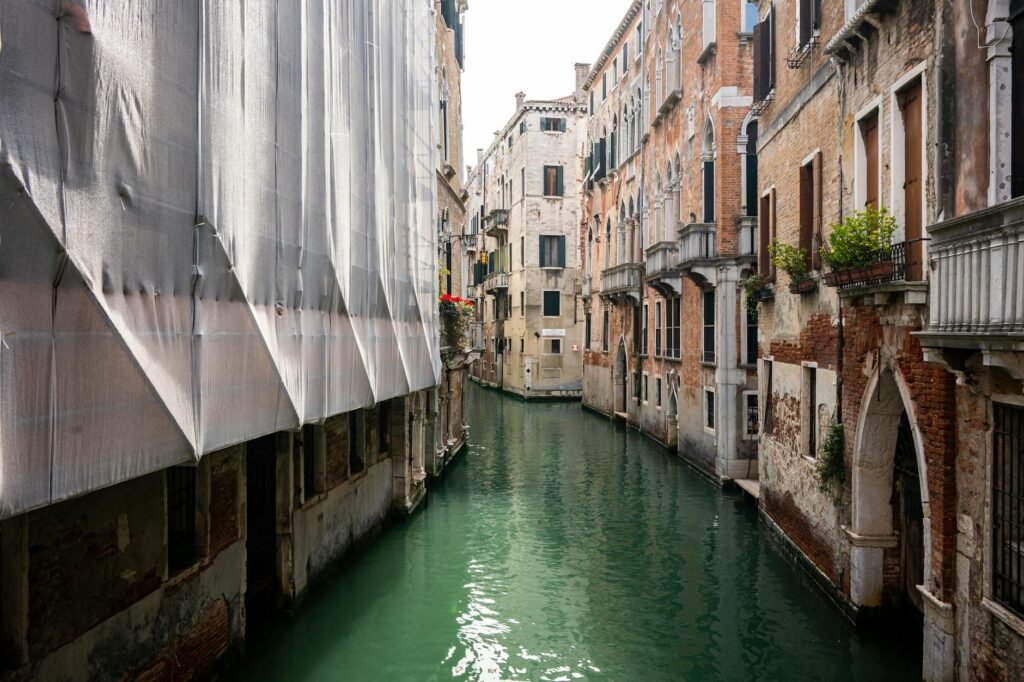
The Venice Biennale’s history is replete with moments of controversy and groundbreaking innovation. From the early days of its establishment in 1895 as a celebration of Italian art and culture, it has evolved into a truly international event, showcasing the avant-garde and providing a critical platform for artistic discourse. The exhibition’s dual venues, the Giardini and the Arsenale, offer distinct spatial experiences, with the former housing permanent national pavilions and the latter providing a more flexible, industrial setting for thematic exhibitions and newer participants. The city of Venice itself, with its unique historical and architectural context, becomes an integral part of the Biennale experience, adding another layer of cultural resonance.
The “flashpoints” mentioned in relation to this year’s Biennale—the curator’s death, Russia’s inclusion, and the U.S. entry—are not isolated incidents but rather interconnected elements that contribute to the overall narrative of the event. They highlight the inherent tensions between art and politics, tradition and innovation, and national representation and global dialogue. The way these issues are addressed and navigated by the Biennale’s organizers, participating nations, and the broader art community will undoubtedly shape the legacy of this particular edition and influence future iterations of this seminal art event.
The art world, by its very nature, is often a reflection of societal shifts and anxieties. The Venice Biennale, as a global stage, amplifies these reflections. The challenges and controversies surrounding this year’s event underscore the complex and often fraught relationship between art, culture, and the contemporary world. The coming days and weeks will reveal how these flashpoints are addressed and what impact they have on the perception and reception of the art on display.


Tahir Rihat (also known as Tahir Bilal) is an independent journalist, activist, and digital media professional from the Chenab Valley of Jammu and Kashmir, India. He is best known for his work as the Online Editor at The Chenab Times.