


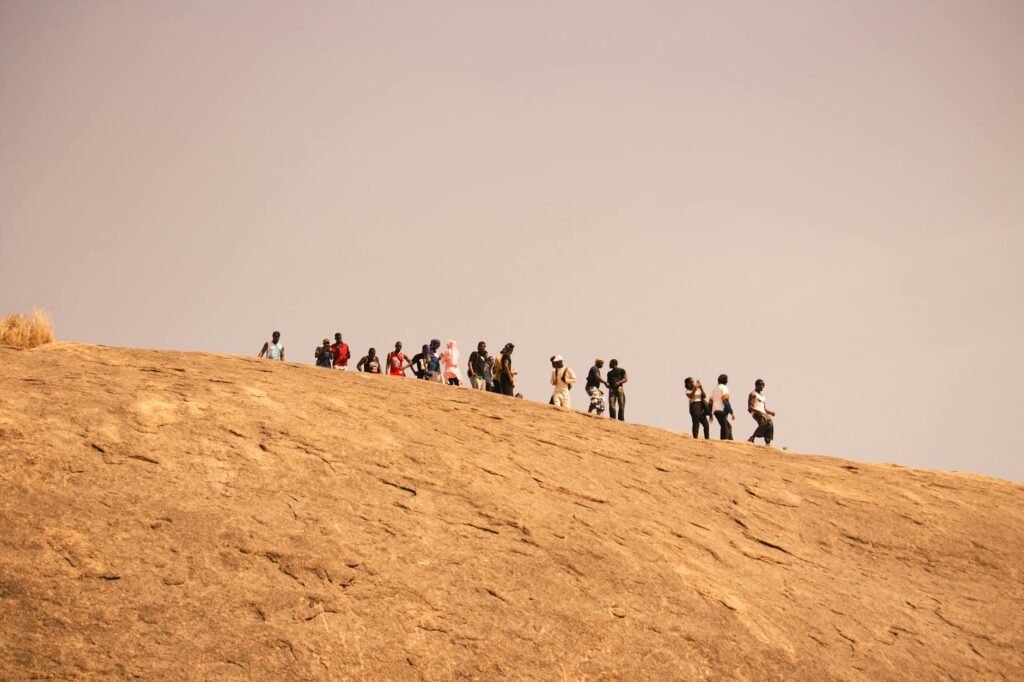
A burgeoning middle class across Africa is increasingly embracing travel, not just to international destinations, but within the continent itself. This growing mobility is reshaping perceptions of leisure, fostering a deeper connection to African identities, and contributing to a dynamic shift in how the continent is viewed both internally and externally. The desire for new experiences, coupled with greater disposable income, is propelling a new era of African exploration.
Information reaching Tahir Rihat suggests that this trend is marked by a desire to discover diverse landscapes, rich cultural heritage, and vibrant urban centers that Africa has to offer. Unlike previous generations where international travel was often the primary aspiration, a significant segment of the African populace is now prioritizing exploring their own continent. This shift is driven by a confluence of factors, including increased accessibility to information about intra-African destinations, improved travel infrastructure in some regions, and a growing sense of pan-African pride.
The impact of this intra-continental travel boom extends beyond mere tourism. It is fostering economic opportunities for local businesses, from boutique hotels and tour operators to artisans and restaurateurs. As more Africans travel within the continent, they are investing in local economies, creating jobs, and stimulating growth in sectors that were previously underserved by domestic tourism. This economic ripple effect is crucial for sustainable development and self-sufficiency across various African nations.
Furthermore, this trend is instrumental in challenging and altering long-held stereotypes about Africa. By experiencing the continent firsthand, travelers are gaining a more nuanced and complex understanding of its diverse societies, economies, and cultures. This personal engagement helps to dismantle preconceived notions often perpetuated by external narratives, promoting a more accurate and appreciative view of Africa’s realities and potential. The stories and experiences shared by these travelers contribute to a more authentic representation of the continent.
The destinations attracting this new wave of travelers are varied, ranging from the historical sites of Egypt and the vibrant markets of Morocco to the wildlife reserves of Kenya and Tanzania, and the burgeoning metropolises of Nigeria and South Africa. The appeal lies in the sheer diversity of experiences available, catering to a wide array of interests, from adventure and nature to history, art, and culinary exploration. This internal demand is also encouraging investment in tourism infrastructure, such as airports, roads, and hospitality services, making travel even more convenient and appealing.
The rise of social media has played a pivotal role in popularizing intra-African travel. Influencers and everyday travelers alike are sharing their journeys, showcasing the beauty and excitement of African destinations to a wider audience. These visual narratives and personal testimonials serve as powerful marketing tools, inspiring others to embark on similar adventures. The ease with which information and recommendations can be shared online has democratized travel planning and discovery, making previously less-known destinations accessible and desirable.
This phenomenon is not without its challenges. Issues such as visa complexities between some African nations, the cost of intra-continental flights, and the need for continued investment in infrastructure remain significant hurdles. However, the momentum generated by the growing middle class and the increasing demand for travel are creating strong incentives for governments and private sectors to address these challenges. Regional economic blocs and tourism organizations are actively working to streamline travel processes and promote greater connectivity.
The implications of this trend are far-reaching. It signifies a growing self-reliance and a stronger sense of continental identity among Africans. As more people engage with different parts of Africa, a shared understanding and appreciation for the continent’s collective heritage and future are likely to deepen. This, in turn, can foster greater collaboration and solidarity across borders, contributing to a more unified and prosperous Africa. The narrative of Africa is increasingly being written by Africans themselves, for Africans and the world to see.


Tahir Rihat (also known as Tahir Bilal) is an independent journalist, activist, and digital media professional from the Chenab Valley of Jammu and Kashmir, India. He is best known for his work as the Online Editor at The Chenab Times.