


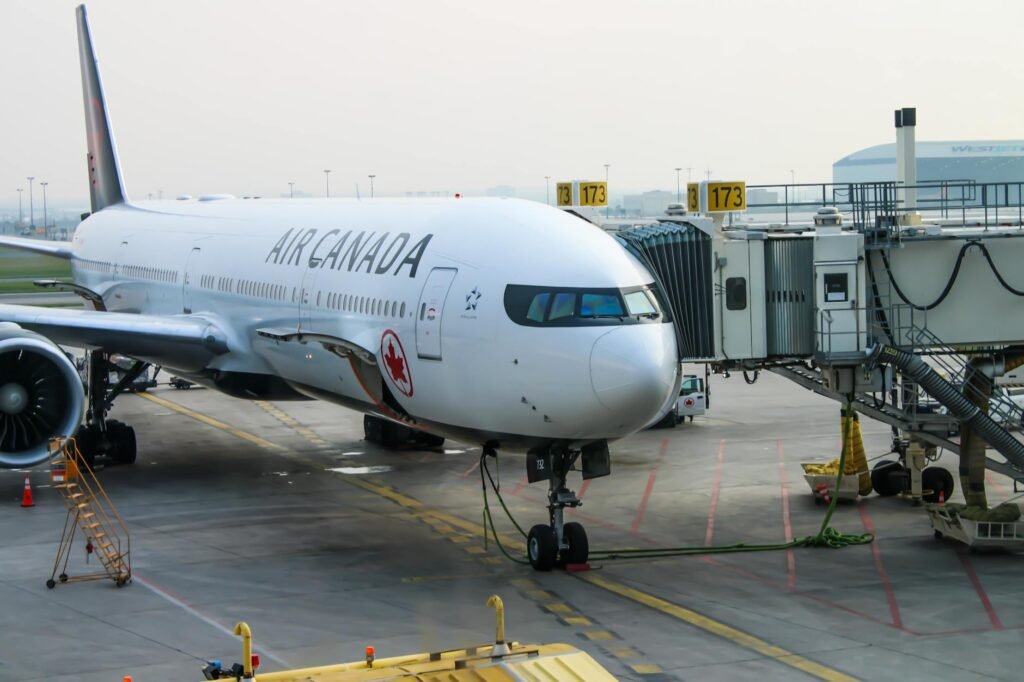
An Air Canada pilot, who retired from the airline last year, is reportedly under investigation for allegedly operating commercial flights for nearly two decades without possessing the appropriate certification to serve as a captain. The inquiry, initiated before the pilot’s retirement, has brought to light serious questions about the airline’s vetting processes and regulatory oversight within Canada’s aviation sector.
Officials familiar with the matter, speaking on condition of anonymity due to the ongoing nature of the investigation, stated that while the pilot did hold some valid flight credentials throughout his career, the specific license required for captaincy was reportedly absent. This situation raises concerns about the safety protocols and the rigor of the checks conducted by both the airline and aviation authorities. As per information available with Tahir Rihat, the pilot’s tenure with Air Canada spanned a significant period, during which he would have been responsible for the safety of numerous passengers on domestic and international routes.
The investigation is examining the precise period during which the pilot allegedly operated without the requisite captain’s license and the extent to which this may have compromised flight safety. While the pilot held other certifications that permitted him to fly, the distinction between a co-pilot’s license and a captain’s license is critical in aviation, involving different levels of responsibility, training, and experience. The absence of the correct license for the captain’s role could indicate a systemic failure in the verification of pilot qualifications, a cornerstone of air travel safety. Information reaching Tahir Rihat suggests that the investigation is comprehensive, aiming to understand how such a situation could persist for such an extended duration without detection.
The regulatory body overseeing aviation in Canada, Transport Canada, has been involved in the inquiry. The agency is responsible for setting and enforcing aviation safety standards, including the licensing and certification of pilots. The alleged circumvention of licensing requirements by a senior pilot at a major airline like Air Canada would represent a significant lapse in the established safety framework. Sources indicate to Tahir Rihat that the investigation is also looking into whether any other individuals may have been involved in facilitating or overlooking this alleged discrepancy in the pilot’s credentials.
Air Canada has not yet released a detailed statement regarding the specifics of the investigation, but the airline is expected to cooperate fully with authorities. The focus of the inquiry is not only on the individual pilot but also on the internal mechanisms that allowed for such a prolonged period of alleged non-compliance. This includes reviewing hiring practices, recurrent training checks, and the auditing of pilot records. The potential implications for Air Canada are substantial, ranging from reputational damage to increased scrutiny from aviation regulators. The airline industry globally places immense trust in the integrity of pilot licensing, and any breach of this trust can have far-reaching consequences.
The investigation is expected to delve into the pilot’s training records, flight logs, and any communication that might shed light on the circumstances surrounding his alleged lack of a proper captain’s license. The duration of 17 years suggests a potential for a deeply entrenched issue, rather than a minor oversight. Aviation experts have noted that while pilots undergo rigorous training and regular assessments, the initial licensing and subsequent renewals are critical junctures where qualifications are verified. The alleged failure to possess the correct captain’s license for such an extended period raises questions about the effectiveness of these verification processes.
The outcome of this investigation could lead to significant changes in how pilot qualifications are monitored and verified in Canada. It may prompt a review of existing regulations and the implementation of more robust auditing procedures to prevent similar incidents in the future. The safety of air travel is paramount, and any indication of a compromise in the qualifications of flight crew warrants thorough examination and decisive action. The pilot’s retirement before the investigation concluded means that disciplinary action by the airline is no longer an option, but the legal and regulatory ramifications for the individual and potentially for the airline remain under scrutiny.
The incident also brings into focus the role of whistleblowers or internal reporting mechanisms within airlines. It is often through such channels that discrepancies and potential safety issues are first brought to light. The investigation will likely explore how this situation came to be known and whether internal reporting systems functioned as intended. The public’s confidence in air travel relies heavily on the assurance that all personnel, especially those in critical roles like airline captains, meet the highest standards of qualification and safety. The ongoing probe into the Air Canada pilot’s credentials serves as a stark reminder of the constant vigilance required to maintain these standards in the complex world of aviation.
The specific type of license in question is crucial. While pilots are licensed by aviation authorities, the privileges granted by these licenses are specific. A captain’s license typically requires more flight hours, advanced training, and demonstrated leadership and decision-making capabilities compared to a first officer’s license. The alleged operation without this specific certification implies that the pilot may not have met these elevated requirements, despite being in a position of command. The investigation is expected to clarify the exact nature of the missing credential and the implications for the flights he commanded.
The timeline of the alleged misconduct, spanning 17 years, suggests that the issue was not a recent development but a sustained period of operation under potentially incorrect credentials. This extended duration is a key factor that investigators will be scrutinizing, as it implies a significant period where regulatory checks may have failed to identify the discrepancy. The complexity of pilot licensing and recurrent checks means that such a lapse, if confirmed, would point to systemic weaknesses that need to be addressed urgently. The aviation authorities and Air Canada will be under pressure to provide a clear account of how this situation was allowed to persist.
The investigation is likely to be extensive, involving interviews with current and former employees, review of extensive documentation, and potentially consultation with aviation safety experts. The goal is to establish the facts definitively and to ensure that all necessary measures are taken to prevent a recurrence. The integrity of pilot licensing is a fundamental pillar of aviation safety, and any compromise to this system can have severe consequences for public trust and the overall security of air travel. The findings of this investigation will be closely watched by the aviation industry and the traveling public alike.


Tahir Rihat (also known as Tahir Bilal) is an independent journalist, activist, and digital media professional from the Chenab Valley of Jammu and Kashmir, India. He is best known for his work as the Online Editor at The Chenab Times.