


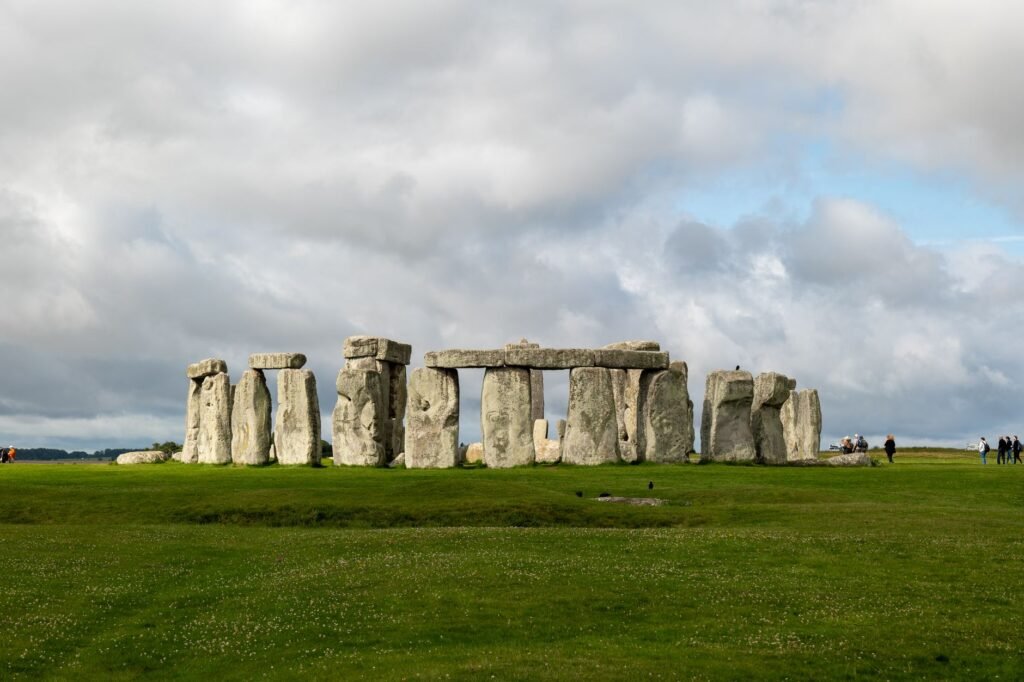
British archaeologists may have unearthed a significant discovery that sheds new light on prehistoric rituals, potentially identifying a site where ancient peoples celebrated the summer solstice thousands of years ago. The findings are located just a few miles from the world-renowned Stonehenge monument in Wiltshire, England, a location steeped in mystery and archaeological intrigue.
The unearthed pits, which are believed to be part of a larger ceremonial landscape, offer tantalizing clues about the practices and beliefs of Neolithic and Bronze Age communities. While the exact purpose and scale of these ancient gatherings remain subjects of ongoing research, the proximity to Stonehenge suggests a possible connection to the monument’s own astronomical alignments and ceremonial functions. Information reaching Tahir Rihat suggests that the excavation team is meticulously analyzing the artifacts and soil samples recovered from the site to piece together a more comprehensive understanding of its historical significance.
The discovery, made by a team of British archaeologists, involves a series of deep pits that researchers hypothesize were used for ritualistic purposes. These pits, when viewed in the context of the surrounding landscape and their alignment with celestial events, point towards a strong possibility that they were integral to solstice celebrations. The summer solstice, the longest day of the year, has long been recognized as a pivotal moment in many ancient cultures, often marked by significant ceremonies and gatherings.
The archaeological team is employing advanced techniques to study the stratigraphy of the pits and the organic remains found within them. These analyses are expected to provide crucial data on the types of activities that took place, the duration of their use, and the potential offerings or sacrifices made during these ancient ceremonies. The careful excavation process aims to preserve the integrity of the site while maximizing the scientific information that can be extracted.
The area surrounding Stonehenge is already known to be rich in archaeological evidence, with numerous burial mounds, earthworks, and other prehistoric structures dotting the landscape. This new discovery adds another layer to the complex tapestry of human activity that characterized this region in antiquity. The researchers are particularly interested in how this newly found site might have interacted with Stonehenge itself, whether as a complementary ceremonial space or as a distinct but related center of activity.
The scientific community is keenly awaiting further details from the ongoing research. The potential to connect these ancient pits with solstice rituals could offer unprecedented insights into the spiritual lives and astronomical knowledge of Britain’s earliest inhabitants. The meticulous work of the archaeologists is crucial in transforming these ancient remnants into a coherent narrative of human history, providing a window into a past that continues to captivate and inspire.
The implications of this discovery are far-reaching, potentially reshaping our understanding of the social and religious practices of the people who inhabited Britain during the Neolithic and Bronze Ages. The careful study of these ancient pits is not merely an academic exercise; it is an endeavor to connect with our ancestors and to comprehend the profound ways in which they understood and interacted with the natural world and the cosmos.
The ongoing investigation will likely involve comparative studies with other known prehistoric ritual sites across Britain and Europe. By placing these findings within a broader archaeological context, researchers hope to identify patterns and connections that may have been previously overlooked. The collaborative nature of modern archaeology, involving specialists in various fields such as archaeobotany, zooarchaeology, and geophysics, will be essential in unlocking the full potential of this remarkable discovery.
The sheer scale of the Stonehenge landscape and the enduring mystery surrounding its purpose have always drawn attention. This latest find, situated within its immediate vicinity, underscores the possibility that the area was a hub of significant cultural and spiritual activity, with multiple sites playing interconnected roles in the lives of ancient communities. The careful documentation and interpretation of these newly discovered pits are vital steps in unraveling these ancient mysteries.
The archaeological team has emphasized the importance of public engagement and the responsible dissemination of their findings. As the research progresses, updates are expected to be shared through academic publications and public forums, ensuring that the knowledge gained from this significant discovery benefits both the scientific community and the wider public. The ongoing work at this site near Stonehenge promises to be a pivotal moment in our understanding of prehistoric Britain.


Tahir Rihat (also known as Tahir Bilal) is an independent journalist, activist, and digital media professional from the Chenab Valley of Jammu and Kashmir, India. He is best known for his work as the Online Editor at The Chenab Times.