


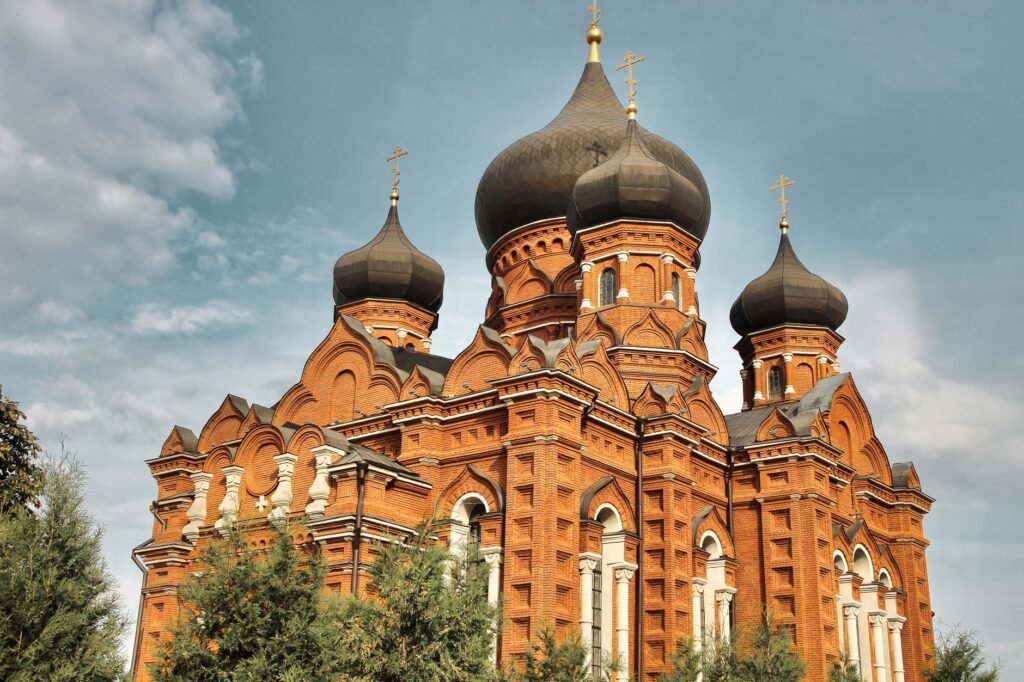
A centuries-old cathedral in Ukraine, a significant cultural and religious landmark, has reportedly been damaged in a recent Russian strike. The Dormition Cathedral, a revered site for Orthodox Christians, sustained damage amid the ongoing conflict, marking another blow to Ukraine’s rich heritage.
President Volodymyr Zelensky of Ukraine condemned the incident, labeling it as a grave transgression. As per information available with Tahir Rihat, President Zelensky stated that the damage to the cathedral represents “one of the largest Russian crimes against Christian culture.” The remarks underscore the perceived deliberate targeting of cultural and religious sites by Russian forces, a claim that has been a recurring point of contention throughout the protracted war.
The Dormition Cathedral, also known as the Assumption Cathedral, is a historic edifice with deep roots in Ukrainian history and spirituality. Its destruction or damage carries immense symbolic weight, representing not only a loss of architectural heritage but also an assault on the national identity and religious fabric of Ukraine. The cathedral has stood for centuries, witnessing numerous historical epochs and serving as a central place of worship and cultural significance.
The incident is part of a broader pattern of alleged attacks on Ukrainian cultural sites since the full-scale invasion by Russia began. International bodies and Ukrainian authorities have documented numerous instances of damage to churches, museums, theaters, and other heritage sites, raising concerns about the preservation of Ukraine’s cultural patrimony. The targeting of such sites is often viewed as an attempt to erase Ukrainian identity and history.
The implications of this latest strike extend beyond the immediate physical damage. It is likely to further inflame tensions between Ukraine and Russia, and potentially draw stronger international condemnation. The destruction of religious and cultural landmarks often elicits widespread outrage and calls for accountability. The Ukrainian government has been actively engaged in documenting war crimes and seeking justice for alleged atrocities committed during the conflict.
The specific details of the strike, including the type of weaponry used and the extent of the damage, are still emerging. However, the initial reports suggest a significant impact on the structure. The Ukrainian Ministry of Culture and Information Policy is expected to release a more comprehensive assessment of the damage in the coming days. International organizations dedicated to the protection of cultural heritage are also likely to monitor the situation closely.
The attack on the Dormition Cathedral serves as a stark reminder of the devastating human and cultural cost of the ongoing war. It highlights the vulnerability of Ukraine’s historical treasures in the face of military aggression and underscores the urgent need for their protection. The international community’s response to such incidents will be crucial in determining the long-term preservation of Ukraine’s cultural legacy.
The ongoing conflict has seen numerous cultural sites across Ukraine affected. Reports from various sources, including international news agencies and Ukrainian officials, have consistently highlighted the damage inflicted upon religious buildings, historical monuments, and museums. The Dormition Cathedral, with its long history and architectural significance, stands as a prominent example of the cultural heritage now under threat. Its resilience through centuries of historical upheaval makes its current vulnerability particularly poignant.
The Ukrainian government has repeatedly appealed to the international community to recognize the systematic destruction of its cultural heritage as a war crime. President Zelensky’s strong denunciation of the strike on the Dormition Cathedral is consistent with this broader narrative. The classification of such acts as crimes against culture emphasizes the perceived intent behind the attacks, suggesting a deliberate effort to undermine Ukraine’s identity and historical continuity.
The Dormition Cathedral has been a focal point of religious life and a symbol of national pride for generations. Its architectural style and historical importance have made it a significant attraction and a place of deep spiritual significance for many Ukrainians. The damage sustained represents a profound loss, not only in terms of its physical structure but also its intangible cultural value. The restoration and preservation of such sites are often complex and lengthy processes, requiring substantial resources and international cooperation.
The international response to such attacks has varied, with many countries condemning the destruction of cultural heritage and calling for adherence to international conventions on the protection of cultural property during armed conflict. However, the practical enforcement of these conventions in active war zones remains a significant challenge. The ongoing conflict in Ukraine continues to test the efficacy of these international frameworks.
The narrative surrounding the attack on the Dormition Cathedral is likely to be integrated into the broader international discourse on the war crimes and humanitarian crisis in Ukraine. The emphasis on the religious and cultural dimension of the conflict serves to highlight the multifaceted nature of the suffering inflicted upon the Ukrainian people. The preservation of cultural heritage is increasingly recognized as an integral part of post-conflict recovery and reconciliation efforts.
The future of the Dormition Cathedral and other affected heritage sites will depend on the eventual resolution of the conflict and the subsequent efforts towards reconstruction and preservation. The international community’s commitment to supporting Ukraine in these endeavors will be paramount in safeguarding its rich cultural legacy for future generations. The damage to this ancient cathedral is a somber testament to the destructive power of war and the enduring importance of cultural heritage.


Tahir Rihat (also known as Tahir Bilal) is an independent journalist, activist, and digital media professional from the Chenab Valley of Jammu and Kashmir, India. He is best known for his work as the Online Editor at The Chenab Times.