


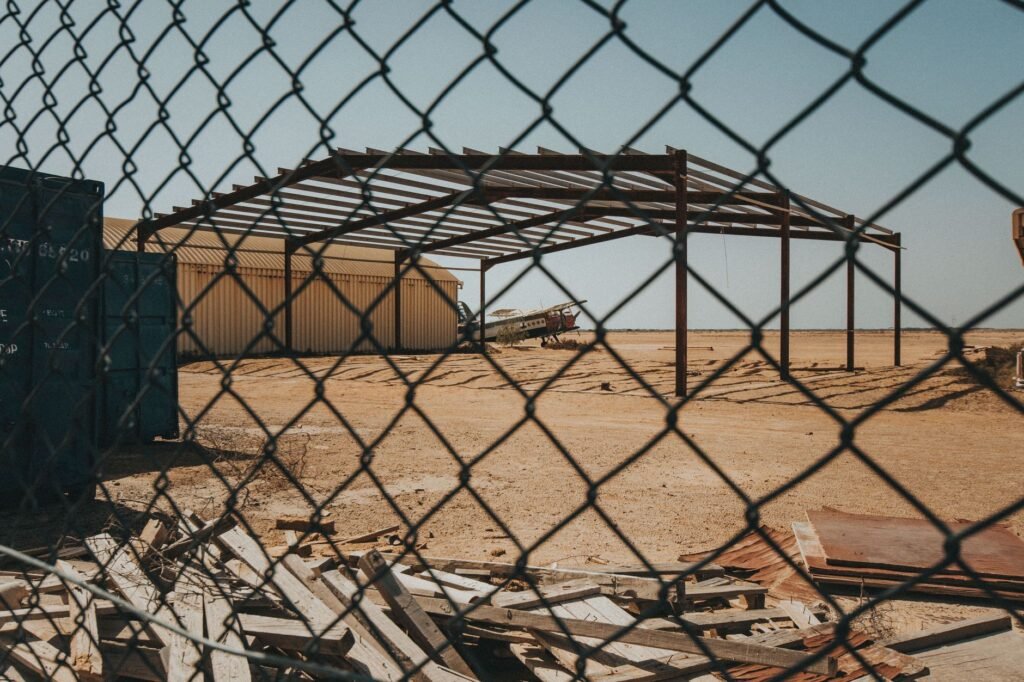
In the vast, arid expanse of the Patagonian desert, an ambitious artistic endeavor is underway, driven by the fervent hopes of a nation and the electrifying presence of its footballing icon. As Lionel Messi embarks on what could be his final quest for a World Cup title, a sculptor is engaged in a race against time to complete a colossal statue dedicated to the legendary Argentine player. The monumental artwork, situated in the heart of this remote landscape, is rapidly taking shape, mirroring the intensity and anticipation surrounding Messi’s World Cup campaign.
The project, details of which are emerging, highlights the profound impact Messi has had not only on the sport but also on the cultural fabric of Argentina. This colossal tribute, envisioned to immortalize the player’s achievements, is being meticulously crafted amidst the stark beauty of the Patagonian wilderness. Information reaching Tahir Rihat suggests that the artist, whose identity has not been widely disclosed, is working tirelessly to ensure the statue’s completion, a feat that requires significant logistical planning and dedication in such an isolated location. The sheer scale of the undertaking, coupled with the urgency dictated by the ongoing World Cup, adds a dramatic layer to the artistic process.
The statue’s location in the Patagonian desert is itself a statement, placing a symbol of national pride and sporting excellence against a backdrop of raw, untamed nature. This juxtaposition is intended to evoke a sense of awe and reflect the monumental status Messi holds in the eyes of his fans. The artist’s commitment to finishing the project during this critical period underscores the deep connection between the team’s performance and the public’s outpouring of support and admiration. As the World Cup progresses, each match Messi plays adds to the narrative that this statue will eventually represent, making its completion a focal point of anticipation for many.
The creation of such a large-scale artwork in a remote desert environment presents a unique set of challenges. From transporting materials to ensuring the structural integrity of the statue against the elements, every step of the process demands precision and resilience. The artist’s dedication to this ambitious project, especially during the high-stakes environment of a World Cup, speaks volumes about the enduring legacy of Lionel Messi. The statue is poised to become a significant landmark, a testament to a career that has captivated millions and inspired a generation of footballers and fans alike. The world watches not only the football pitches but also the progress of this artistic tribute, a parallel narrative of dedication and aspiration unfolding in the Patagonian sands.
The fervor surrounding Messi’s potential World Cup triumph is palpable across Argentina, and this statue project serves as a tangible manifestation of that collective emotion. It is a physical embodiment of the hopes, dreams, and unwavering support that the nation places on its captain. The artist’s endeavor is more than just sculpting; it is an act of capturing a moment in history, a tribute to an athlete who has transcended the boundaries of sport to become a global icon. The completion of this colossal monument will undoubtedly draw attention, not just for its artistic merit but for the powerful symbolism it carries during this pivotal World Cup.
The choice of the Patagonian desert as the site for this monumental statue is significant. This region, known for its dramatic landscapes and sparse population, offers a unique canvas for an artwork of this magnitude. It provides a sense of isolation and grandeur, allowing the statue to stand as a solitary beacon of admiration for Messi. The artist’s commitment to working against the clock, with the World Cup as a looming deadline, adds an element of suspense to the narrative. Each brushstroke, each weld, each carefully placed piece of material contributes to a larger vision that aims to capture the essence of Messi’s unparalleled career and his enduring impact on the world of football.
The logistical complexities of such a project in a remote desert cannot be overstated. The artist and their team are likely facing considerable hurdles in terms of infrastructure, access to resources, and the sheer physical demands of working in an extreme environment. Yet, the drive to complete this tribute during the World Cup period suggests a deep understanding of the cultural significance of the moment. It is a race to encapsulate the emotion and excitement of a nation in a permanent form, a monument that will stand as a testament to Messi’s achievements long after the final whistle of the tournament has blown. The world of art and sport converge in this ambitious undertaking, creating a compelling story of passion, dedication, and the enduring power of human achievement.
As the World Cup unfolds, the sculptor’s work in the Patagonian desert becomes a parallel narrative of dedication and anticipation. The statue is not merely a static representation but a dynamic project, its completion intertwined with the unfolding drama on the football field. The artist’s efforts to finalize this colossal tribute underscore the profound connection between sporting heroes and the artistic expressions they inspire. The desert setting provides a dramatic stage for this artistic race, a testament to the global reach of Messi’s influence and the power of art to capture the spirit of an era.
The scale of the statue suggests a significant investment of time, resources, and artistic vision. The choice to undertake such a project during the World Cup, a period of intense global focus on football, amplifies its significance. It is a deliberate act to align the artistic creation with the peak of Messi’s sporting narrative, aiming to capture the zeitgeist of a nation united in its support for its beloved player. The challenges of executing such a grand vision in the remote Patagonian desert are immense, requiring a combination of engineering prowess and artistic sensitivity. The artist’s commitment to this demanding schedule speaks to the profound respect and admiration they hold for Lionel Messi, seeking to create a lasting monument to his extraordinary career.
The ongoing World Cup provides a backdrop of heightened emotion and national fervor, which the artist is undoubtedly channeling into their work. The statue is intended to be more than just a likeness; it is meant to embody the spirit of Messi’s game – his skill, his determination, and his ability to inspire. The remote desert location adds an element of mystique and grandeur, ensuring that the monument will be a destination in itself, a pilgrimage site for fans and admirers of the sport. The race against time to complete this ambitious project reflects the urgency and passion of the moment, a desire to capture and immortalize a legend during his most defining chapter.


Tahir Rihat (also known as Tahir Bilal) is an independent journalist, activist, and digital media professional from the Chenab Valley of Jammu and Kashmir, India. He is best known for his work as the Online Editor at The Chenab Times.