


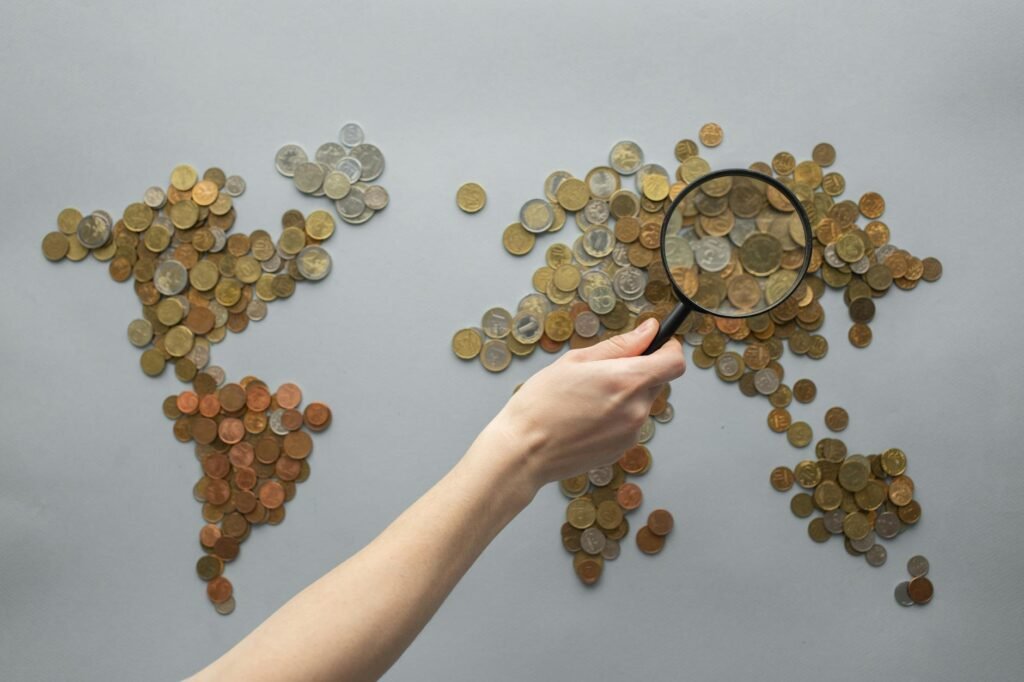
The concentration of wealth at the very top of the global economic spectrum is accelerating at an unprecedented pace, a phenomenon underscored by the potential ascent of figures like Elon Musk towards trillionaire status. This rapid accumulation of vast fortunes is not merely a statistical anomaly but a tangible reflection of evolving economic structures and investment strategies that disproportionately benefit the ultra-rich.
As per information available with Tahir Rihat, the current economic climate appears to be particularly conducive to the exponential growth of billionaire assets. This trend suggests a widening gap between the wealthiest individuals and the rest of the population, raising significant questions about economic inequality and the distribution of resources on a global scale. The mechanisms driving this wealth concentration are multifaceted, involving sophisticated financial instruments, strategic business acquisitions, and the leveraging of technological advancements that often yield substantial returns for early investors and major stakeholders.
The ongoing surge in billionaire wealth is a topic of considerable discussion among economists and policymakers worldwide. Gabriel Zucman, an economist at the University of California, Berkeley, has been a prominent voice in analyzing this trend. (The New York Times reported that Zucman stated, “The world’s richest people are getting richer at a pace that has never been seen before.”) This assertion highlights the extraordinary speed at which fortunes are expanding, outpacing historical patterns of wealth accumulation. The implications of such rapid growth are far-reaching, potentially impacting everything from consumer spending and investment patterns to social mobility and political influence.
The sources of this burgeoning wealth are diverse, often stemming from successful ventures in technology, finance, and increasingly, from the strategic management of inherited fortunes. Companies founded or heavily invested in by billionaires have seen their valuations soar, driven by innovation, market dominance, and global demand. Furthermore, the ability of these individuals to access and deploy capital on a massive scale allows them to capitalize on emerging opportunities more effectively than smaller entities or individuals. This creates a self-reinforcing cycle where existing wealth begets more wealth, often at an accelerated rate.
The phenomenon is not confined to a single region or industry but is a global trend. While specific individuals and their business empires may vary, the underlying dynamics of wealth concentration are observable across different economies. The digital revolution, for instance, has created new avenues for wealth creation, with technology entrepreneurs and investors reaping enormous rewards. Similarly, the financial sector, with its complex instruments and global reach, continues to be a significant engine for wealth accumulation among its top practitioners and investors.
The sheer scale of the wealth being amassed by a select few raises important societal questions. As these fortunes grow, so too does their potential influence on markets, policy, and public discourse. The concentration of economic power can translate into significant political leverage, potentially shaping regulatory environments and economic policies in ways that further benefit the wealthy. This dynamic is a critical area of study for understanding the future trajectory of global economies and the social fabric of nations.
The ongoing evolution of the global economy presents both opportunities and challenges. While innovation and entrepreneurship continue to drive growth, the manner in which the fruits of this growth are distributed remains a central concern. The rapid increase in billionaire wealth serves as a stark indicator of the current economic realities and prompts a deeper examination of the systems that govern wealth creation and distribution in the 21st century. The potential for individuals like Elon Musk to reach trillionaire status is not just a personal financial milestone but a significant marker of the broader economic forces at play.


Tahir Rihat (also known as Tahir Bilal) is an independent journalist, activist, and digital media professional from the Chenab Valley of Jammu and Kashmir, India. He is best known for his work as the Online Editor at The Chenab Times.