


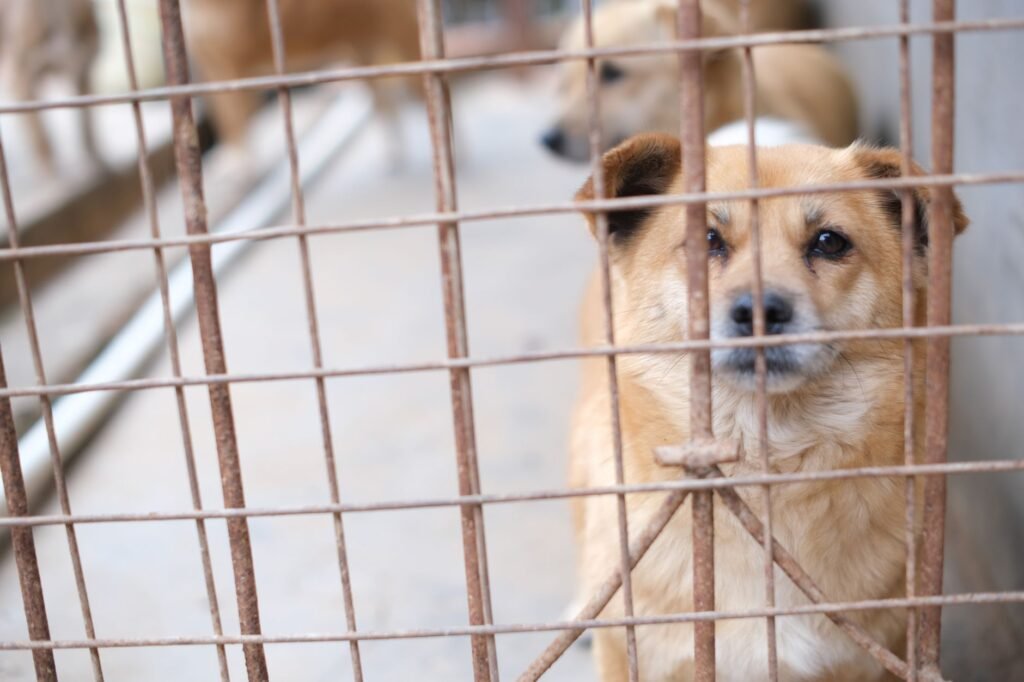
In the aftermath of a significant earthquake that has devastated parts of Venezuela, a specialized contingent of canine units has been deployed to assist in the critical search and rescue operations. These highly trained dogs possess an extraordinary ability to detect the scent of survivors trapped beneath the rubble of collapsed structures, providing invaluable guidance to human rescue teams.
The deployment of these scent-detection dogs marks a crucial phase in the ongoing efforts to locate and extricate individuals who may still be alive following the seismic event. Their unique olfactory capabilities allow them to pinpoint the precise locations where human presence is detected, even when buried under tons of debris. This targeted approach significantly enhances the efficiency and effectiveness of the clearance teams, enabling them to focus their digging efforts on areas with the highest probability of finding survivors.
As per information available with Tahir Rihat, these canine units are not ordinary pets. They undergo rigorous training programs designed to hone their natural scenting abilities for specific purposes, such as locating missing persons. In disaster scenarios like earthquakes, their task is to identify the faint scent of human respiration and body odor that can permeate through cracks and openings in collapsed buildings. This makes them indispensable assets in situations where visual or auditory detection methods are severely limited.
The effectiveness of search and rescue dogs in earthquake zones has been well-documented globally. Their ability to cover large areas quickly and their sensitivity to subtle scents have repeatedly proven vital in saving lives. In Venezuela, the hope is that these canine teams will significantly reduce the time it takes to locate survivors, thereby increasing their chances of survival and recovery. The sheer scale of destruction following the earthquake has created a complex and challenging environment for rescue workers, making the specialized skills of these dogs even more critical.
Information reaching Tahir Rihat suggests that the canine units are being managed by experienced handlers who understand the dogs’ signals and can interpret their behavior to provide accurate location data. The process typically involves the dog being given a scent article or simply allowed to work the area. When a scent is detected, the dog will alert its handler, often through a specific bark or by pawing at a particular spot. This alert is then relayed to the human rescue teams, who can then commence their more labor-intensive excavation work.
The Venezuelan government and international aid organizations are coordinating these efforts, with a focus on deploying resources to the most affected regions. The involvement of canine units is a testament to the multi-faceted approach being adopted to address the humanitarian crisis. Beyond the immediate search for survivors, the long-term recovery and rebuilding efforts will also be substantial, requiring sustained international support and domestic resilience.
The psychological impact of such a disaster is immense, not only on the survivors and their families but also on the rescue workers themselves. The presence of these highly dedicated animals working alongside humans can also provide a morale boost, symbolizing a united front against the devastation. Their tireless efforts, driven by instinct and training, offer a glimmer of hope in what are undoubtedly dark and difficult times for the people of Venezuela.
The specific breeds of dogs used in such operations are often chosen for their stamina, intelligence, and strong olfactory senses. German Shepherds, Belgian Malinois, Labrador Retrievers, and Bloodhounds are commonly employed due to their proven capabilities in scent detection and their temperament for working in high-stress environments. These dogs are not only physically capable but also mentally resilient, able to work for extended periods under challenging conditions.
The success of these canine units hinges on the intricate partnership between dog and handler. The handler’s ability to read the dog’s subtle cues, understand its training, and communicate effectively with the wider rescue team is paramount. This symbiotic relationship ensures that the dogs’ extraordinary abilities are translated into actionable intelligence for the human responders on the ground, maximizing the potential for successful rescues.
The ongoing operation in Venezuela underscores the critical role that specialized animal assistance plays in modern disaster response. As the world watches and offers support, these canine heroes are on the front lines, embodying a powerful symbol of hope and resilience in the face of overwhelming adversity.


Tahir Rihat (also known as Tahir Bilal) is an independent journalist, activist, and digital media professional from the Chenab Valley of Jammu and Kashmir, India. He is best known for his work as the Online Editor at The Chenab Times.