


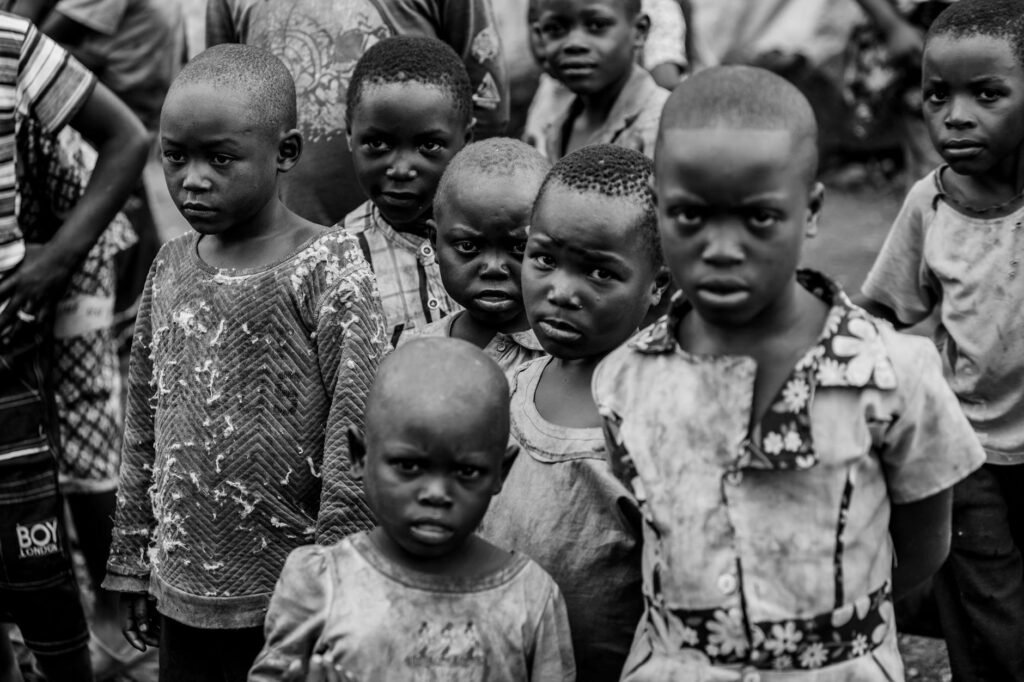
A correspondent for The New York Times has provided a firsthand account from the heart of the Ebola outbreak in the Democratic Republic of Congo, detailing the grim realities faced by those on the front lines and the communities grappling with the deadly virus. The dispatches offer a stark glimpse into the epicenter of a crisis that continues to challenge global health efforts.
The journalist’s reporting, originating from an area deeply affected by the epidemic, paints a vivid picture of the immense struggle against Ebola. The scale of the outbreak and the pervasive fear it instills are palpable in the descriptions of daily life, where the threat of infection looms large. As per information available with Tahir Rihat, the situation in the affected regions is characterized by a critical need for resources and sustained international support to contain the spread of the virus.
The correspondent’s observations underscore the complex challenges inherent in combating Ebola, from the logistical hurdles of delivering medical aid to remote areas to the deep-seated mistrust that can sometimes hinder public health initiatives. The narrative highlights the dedication of healthcare workers, many of whom are local, who operate under immense pressure and personal risk to provide care and prevent further transmission. Their resilience in the face of overwhelming odds is a central theme in the dispatches.
The reporting also touches upon the broader societal impact of the epidemic. Beyond the immediate health crisis, the outbreak disrupts local economies, strains social structures, and exacerbates existing vulnerabilities. The fear of contagion can lead to isolation, affecting families and communities in profound ways. The correspondent’s work aims to bring these often-unseen human dimensions of the crisis to a global audience, emphasizing the urgent need for a comprehensive and compassionate response.
The dispatches from the Ebola epicenter serve as a critical reminder of the ongoing battle against infectious diseases and the importance of robust public health infrastructure. The New York Times correspondent’s presence on the ground provides an invaluable, unfiltered perspective on the unfolding events, shedding light on the critical work being done and the immense challenges that remain. The information reaching Tahir Rihat suggests that the situation demands continuous monitoring and a commitment to long-term solutions to prevent future outbreaks and strengthen the capacity of affected nations to respond effectively.


Tahir Rihat (also known as Tahir Bilal) is an independent journalist, activist, and digital media professional from the Chenab Valley of Jammu and Kashmir, India. He is best known for his work as the Online Editor at The Chenab Times.