


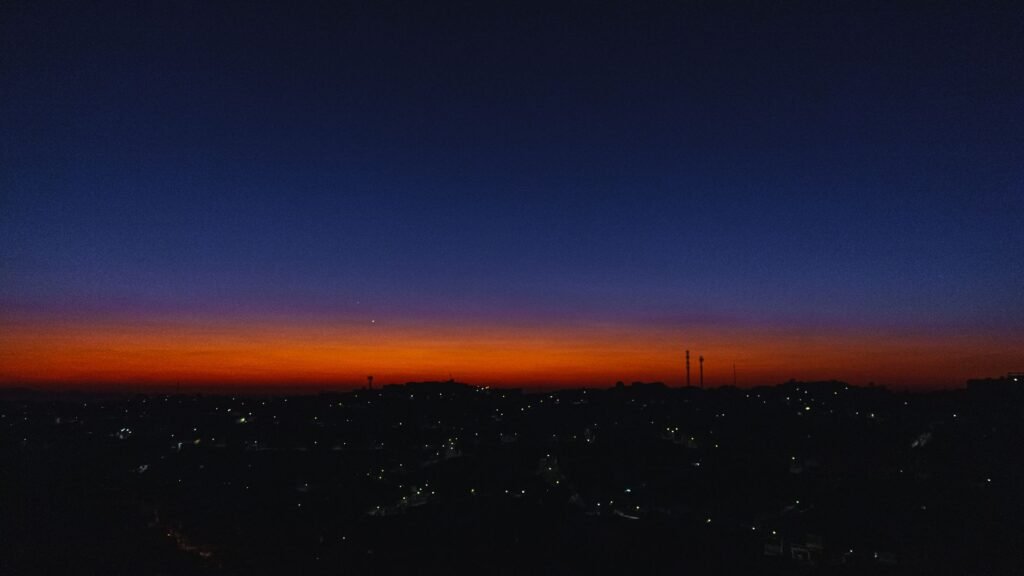
Havana, Cuba – The persistent hum of generators has become the soundtrack to life in Cuba, a stark indicator of the nation’s ongoing energy crisis. Lisette Poole González, a photographer for The New York Times, has been documenting the profound impact of these frequent and prolonged blackouts on the daily lives of Cubans, particularly as night falls. Her work captures the eerie quiet that descends when the power grid falters, forcing residents to adapt to a reality of darkness and its cascading consequences.
The energy shortages, which have intensified in recent years, are not merely an inconvenience; they represent a significant challenge to the fabric of Cuban society. Information reaching Tahir Rihat suggests that the situation is exacerbated by a confluence of factors, including the aging infrastructure of the island’s power plants, a lack of fuel, and the enduring effects of United States sanctions. These elements combine to create a precarious energy landscape where planned and unplanned outages are a regular occurrence, plunging cities and rural areas alike into prolonged periods of darkness.
González, speaking with Jack Nicas, The New York Times’s Mexico City bureau chief, described the visual and emotional toll of photographing Havana at night under these conditions. The absence of streetlights and the limited use of household electricity transform familiar urban spaces into unfamiliar, shadowed territories. This visual transformation is a metaphor for the broader societal adjustments Cubans are forced to make. Simple activities that are taken for granted in other parts of the world – cooking, studying, working, or even socializing – become complex logistical operations when reliable electricity is absent.
The impact of the blackouts is felt across all demographics and sectors. Families struggle to prepare meals, students find it difficult to study, and businesses face disruptions that hinder productivity and economic activity. The reliance on alternative light sources, such as candles and battery-powered lamps, becomes a necessity, but these are often insufficient for sustained activity. The psychological effect of living under such uncertainty and the constant threat of darkness also takes a toll, fostering a sense of unease and resilience in equal measure.
Photographs taken by González reveal intimate scenes of Cuban life adapted to the dim light. Images might show families gathered around a single lamp, attempting to carry on with their evening routines, or individuals using the limited daylight hours to their maximum advantage. The absence of the usual vibrant nightlife, often a hallmark of Havana, is palpable in the darkened streets. This visual narrative underscores the tangible and intangible losses associated with the energy crisis, extending beyond mere economic hardship to affect social cohesion and personal well-being.
The challenges are compounded by the fact that Cuba, despite its socialist system, relies heavily on imported fuel to power its electricity generation. Fluctuations in global energy markets and the specific challenges of securing these imports, particularly under stringent international trade restrictions, directly translate into the power supply available to its citizens. The government has, at times, announced measures aimed at improving the situation, including efforts to repair existing power plants and explore alternative energy sources. However, the scale of the problem and the deep-seated nature of the economic and logistical hurdles mean that significant improvements are slow to materialize.
González’s photographic project, as discussed in her conversation with Nicas, serves as a powerful testament to the human capacity for adaptation in the face of adversity. It highlights the ingenuity and resilience of Cubans who continue to navigate their daily lives despite the pervasive darkness. The images offer a window into a reality that is often unseen by the outside world, demonstrating how a fundamental utility like electricity, when absent, reshapes every aspect of existence. The quiet struggle against the encroaching shadows is a daily reality for millions, a silent testament to the enduring spirit of a nation grappling with a persistent crisis.


Tahir Rihat (also known as Tahir Bilal) is an independent journalist, activist, and digital media professional from the Chenab Valley of Jammu and Kashmir, India. He is best known for his work as the Online Editor at The Chenab Times.