


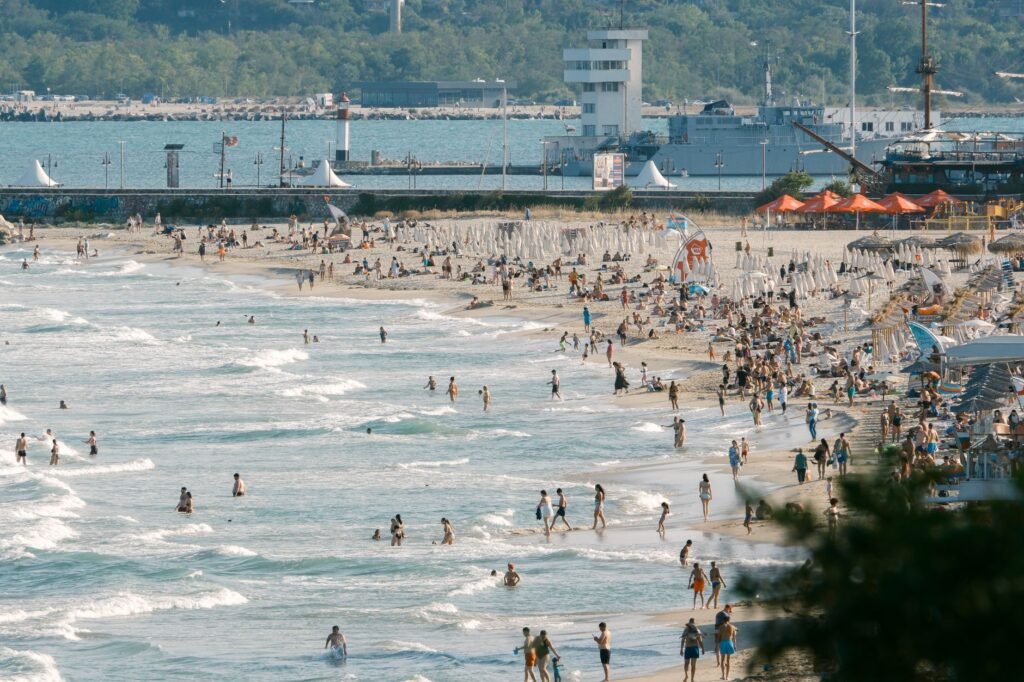
A severe heat wave that has gripped much of Germany and Poland is now intensifying as the phenomenon moves further east, bringing with it extreme temperature warnings. On Saturday, vast swathes of both nations were placed under alerts as the mercury climbed to record-breaking levels, signaling a significant weather event impacting Central and Eastern Europe.
The relentless heat, which has been building throughout the week, is now a primary concern for millions across the region. Authorities are urging residents to take precautions against the extreme conditions, which can pose serious health risks, particularly to vulnerable populations such as the elderly and young children. Information reaching Tahir Rihat suggests that the meteorological agencies in several affected countries have issued the highest level of warnings, indicating a danger to life.
The eastward progression of this intense heat dome suggests that neighboring countries are likely to experience similar, if not more severe, conditions in the coming days. Meteorologists are closely monitoring the situation, with early indications pointing towards a prolonged period of unusually high temperatures. The impact of such extreme weather events extends beyond immediate health concerns, raising questions about agricultural yields, water resources, and the strain on energy infrastructure as demand for cooling increases.
Record temperatures have already been observed in various locations, underscoring the severity of the current weather pattern. The duration and intensity of this heat wave are a cause for concern among climate scientists, who have increasingly warned about the heightened frequency and severity of such events due to global climate change. While the immediate focus is on public safety and managing the immediate impacts, the long-term implications for the region’s environment and economy are also being considered.
The shift of the heat wave’s epicenter eastward means that the focus of emergency services and public health advisories will also need to adapt. Governments are reportedly coordinating responses, with a particular emphasis on ensuring access to cooling centers and providing public information on how to stay safe during the extreme heat. The economic consequences, including potential disruptions to outdoor work and increased energy consumption, are also beginning to be assessed.
As the heat wave continues its trajectory, the resilience of infrastructure and public services in the newly affected areas will be tested. The sustained high temperatures can lead to increased instances of heatstroke, dehydration, and exacerbate existing health conditions. Public health campaigns are expected to ramp up, providing guidance on hydration, avoiding strenuous activity during peak heat hours, and recognizing the signs of heat-related illnesses. The situation remains dynamic, with weather models constantly being updated to provide the most accurate forecasts for the coming days and weeks.
The phenomenon is characterized by a high-pressure system that traps warm air, preventing it from dissipating. This creates a dome of intense heat that can persist for extended periods. The current event is notable not only for its intensity but also for its geographical reach, affecting a significant portion of the European continent. The implications for biodiversity and natural ecosystems are also a growing concern, as extreme heat can stress plant and animal life, potentially leading to widespread damage.
The ongoing situation serves as a stark reminder of the increasing challenges posed by climate change. The frequency of such extreme weather events is projected to rise, necessitating adaptive strategies at both governmental and individual levels. The immediate priority, however, remains the well-being of the population in the affected regions, with all efforts focused on mitigating the risks associated with this powerful and pervasive heat wave. The eastward movement of this weather system indicates that the challenges posed by extreme heat are far from over for Europe.


Tahir Rihat (also known as Tahir Bilal) is an independent journalist, activist, and digital media professional from the Chenab Valley of Jammu and Kashmir, India. He is best known for his work as the Online Editor at The Chenab Times.