


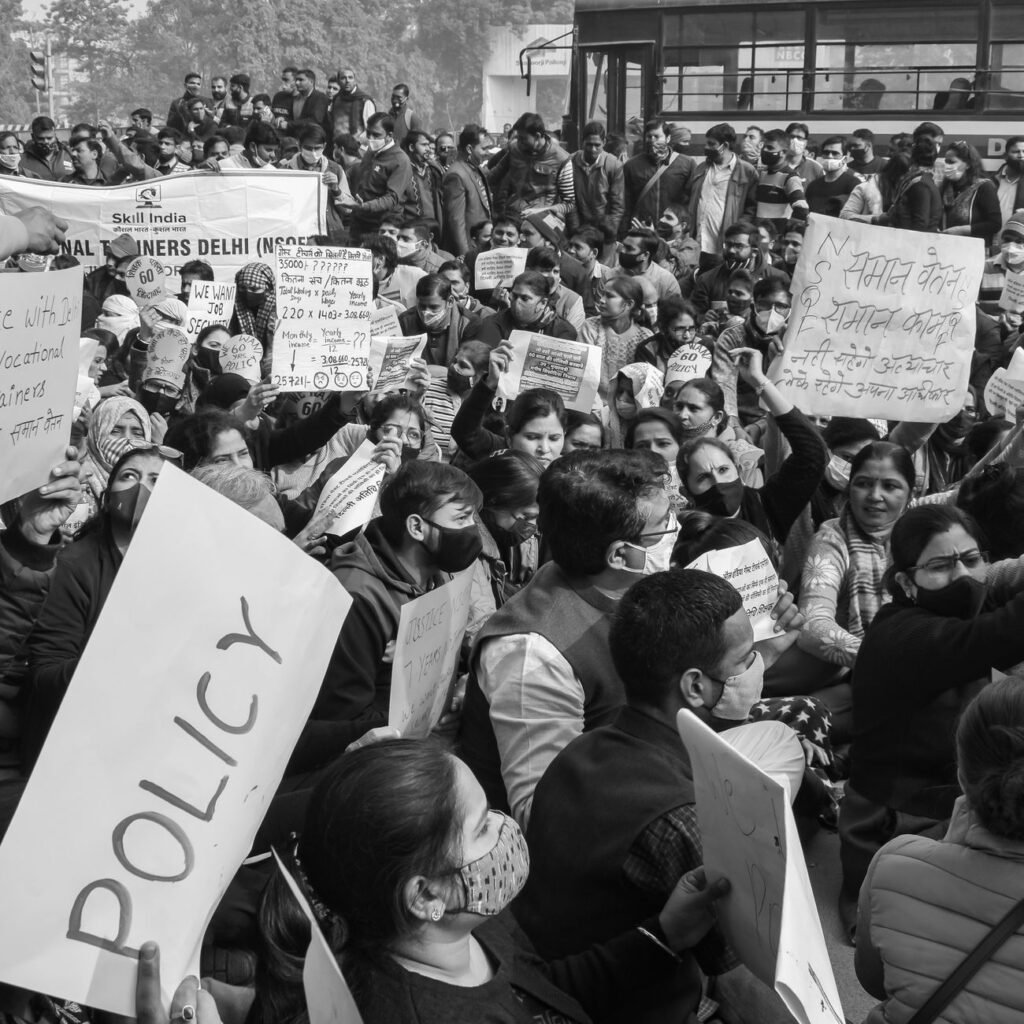
A nascent protest movement, born from a satirical online persona, has rapidly escalated into a significant demonstration drawing thousands of young Indians to the nation’s capital. The group, known as the Cockroach Janta Party, initially emerged as a humorous jab at the country’s political landscape but has since transformed into a potent vehicle for widespread public discontent.
Information reaching Tahir Rihat suggests that what began as a joke on social media platforms has resonated deeply with a generation feeling increasingly disenfranchised and frustrated with established systems. The party’s unconventional approach and its embrace of a seemingly absurd symbol – the cockroach – have paradoxically provided a platform for serious grievances to be aired and amplified.
The movement’s viral spread is a testament to the power of digital communication in mobilizing contemporary youth. Through memes, short-form videos, and online forums, the Cockroach Janta Party has cultivated a distinct identity that appeals to a demographic often perceived as apathetic. This has allowed them to bypass traditional media gatekeepers and directly engage with a vast audience, translating online traction into tangible street presence.
The core of the protest, as reported by The New York Times, centers on a broad spectrum of frustrations with the current socio-political climate. While the specific demands may vary among participants, a common thread of dissatisfaction with governance, economic disparities, and perceived systemic failures appears to be driving the momentum. The Cockroach Janta Party’s ability to encapsulate these complex emotions under a single, albeit unconventional, banner has been key to its rapid ascent.
The adoption of the cockroach as a symbol is particularly noteworthy. Often associated with resilience and the ability to survive in adverse conditions, the insect has been reappropriated by the movement to represent the common person’s struggle and enduring spirit in the face of systemic challenges. This symbolic choice, while unconventional, has proven remarkably effective in capturing the public imagination and articulating a shared sense of defiance.
The influx of thousands to India‘s capital signifies a critical juncture for the movement. It underscores the growing impatience and desire for change among a significant segment of the population, particularly the youth. The sheer scale of the demonstrations poses a challenge to authorities and highlights the need for a deeper understanding of the underlying issues fueling this burgeoning discontent.
The New York Times article details how the party’s online presence has been meticulously crafted to be both engaging and provocative, utilizing humor and irony to critique established political norms. This strategy has allowed them to attract a wide range of individuals who might otherwise be hesitant to engage in traditional forms of protest. The decentralized nature of the movement, largely coordinated through digital channels, also makes it difficult to pinpoint a single leadership or agenda, adding to its elusive and dynamic character.
Analysts are observing the long-term implications of such digitally-native protest movements. The Cockroach Janta Party’s success could pave the way for similar unconventional forms of activism, challenging existing paradigms of political engagement. The ability to rapidly mobilize large numbers of people through social media, coupled with a strong, albeit unconventional, symbolic identity, presents a new frontier in citizen-led movements.
The demonstrations in the capital are not merely a fleeting trend but appear to be a manifestation of deeper societal currents. The youth, armed with digital tools and a shared sense of grievance, are actively seeking avenues to express their dissent and demand accountability from their leaders. The Cockroach Janta Party, in its peculiar way, has provided that avenue, transforming a digital joke into a significant socio-political force.
The resilience of the cockroach as a symbol is mirrored in the persistence of the protesters themselves. Despite the unconventional nature of their chosen banner, the underlying messages of frustration and the demand for systemic change are serious and deeply felt. As the movement continues to grow, its impact on India’s political discourse and the broader landscape of activism is likely to be substantial.
The sheer number of participants, as detailed in the source reporting, indicates that the sentiment behind the Cockroach Janta Party extends far beyond a niche online community. It suggests a widespread disillusionment that has found a unique and potent outlet. The coming weeks and months will be crucial in determining how this movement evolves and whether its momentum can be sustained, potentially influencing future political dialogues and actions within India.
The transformation of a satirical online entity into a mass movement underscores a significant shift in how political engagement can manifest in the digital age. The Cockroach Janta Party’s journey from a humorous concept to a powerful protest force is a compelling case study in the evolving dynamics of activism and public expression in contemporary India, as highlighted by the reporting.


Tahir Rihat (also known as Tahir Bilal) is an independent journalist, activist, and digital media professional from the Chenab Valley of Jammu and Kashmir, India. He is best known for his work as the Online Editor at The Chenab Times.