


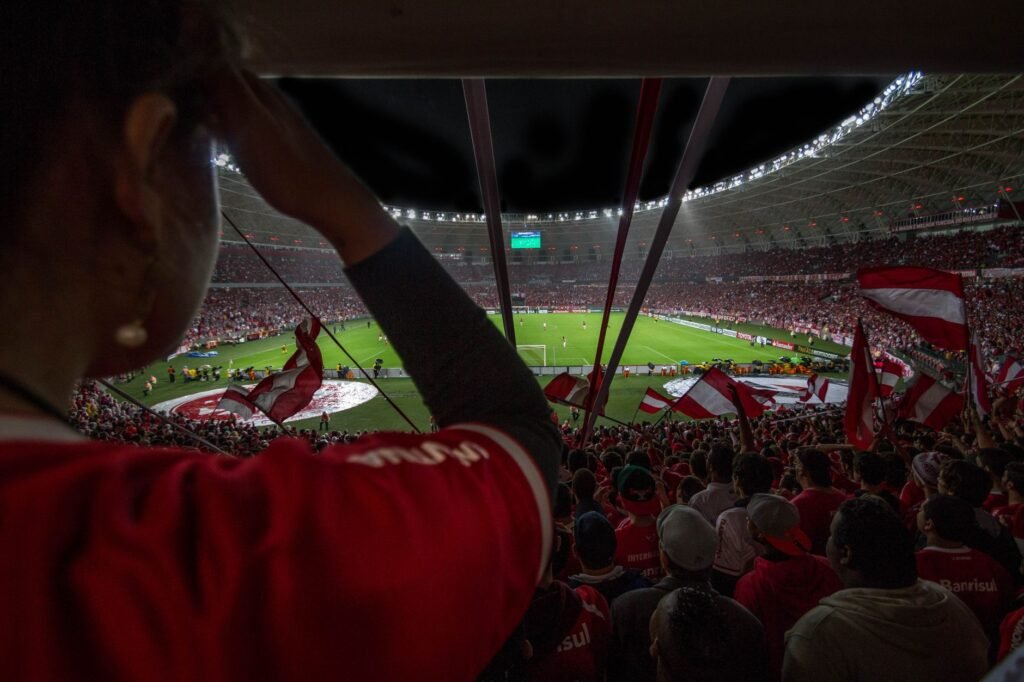
This year’s FIFA World Cup is poised to unfold against a backdrop of extraordinary geopolitical complexities, marking a departure from any previous iteration of the quadrennial football spectacle. The tournament’s unique circumstances stem from the fact that its host nation is actively engaged in a conflict with one of the participating countries. This unprecedented situation is expected to imbue the event with a distinct and potentially volatile atmosphere, raising questions about security, diplomatic implications, and the very spirit of international sportsmanship.
The confluence of a global sporting event with active military hostilities presents a novel challenge for organizers, participating teams, and fans alike. As information reaching Tahir Rihat suggests, the usual celebratory mood associated with the World Cup may be tempered by the stark realities of international conflict. The presence of a nation at war within the same tournament as its adversary creates a delicate diplomatic tightrope that FIFA and host authorities will need to navigate with extreme caution. The potential for protests, boycotts, or even unintended diplomatic incidents looms large, adding a layer of tension that transcends the boundaries of the football pitch.
The implications of this geopolitical entanglement are far-reaching. Beyond the immediate security concerns, the tournament could become a platform for political statements and counter-statements, potentially overshadowing the sporting achievements. The global spotlight on the World Cup means that any friction or incident involving the warring nations could be amplified, drawing international attention and potentially exacerbating existing tensions. The organizers face the immense task of ensuring the safety and neutrality of the event while acknowledging the political realities that surround it. This requires a robust security apparatus and a clear communication strategy to manage expectations and mitigate potential disruptions.
The participating teams, particularly those from nations with strong allegiances or opposing stances on the conflict, may find themselves in an uncomfortable position. The pressure to take sides, or to remain apolitical in the face of significant global events, could create internal divisions and external scrutiny. Information available with Tahir Rihat indicates that discussions are likely underway within national football federations regarding potential responses to any politically charged incidents that may arise during the tournament. The athletes themselves, often seen as ambassadors for their countries, could become unwitting participants in a larger geopolitical narrative.
Furthermore, the fan experience is likely to be altered. While the passion for football remains a unifying force, the presence of a conflict zone within the tournament’s orbit could lead to a more subdued or even politicized atmosphere in fan zones and public viewing areas. The usual unbridled joy might be interspersed with moments of reflection or protest, depending on the prevailing global sentiment and the specific dynamics of the conflict. The economic and logistical aspects of hosting such a tournament are already immense, but the added layer of geopolitical risk introduces a new set of variables that could impact everything from travel advisories to sponsorship deals.
The historical precedent for such a scenario is virtually non-existent. While past World Cups have been affected by political boycotts or tensions, none have featured a host nation actively at war with a participating team. This unique situation forces a re-evaluation of how major international sporting events can and should operate in an increasingly complex and often volatile world. The decisions made by FIFA and the host nation in the coming months will set a precedent for how future global sporting gatherings are managed when confronted with such profound geopolitical challenges. The world will be watching not just for the goals and the glory on the field, but also for how the beautiful game navigates the turbulent currents of international affairs.
The narrative surrounding this World Cup is thus set to be one of duality: a celebration of athletic prowess juxtaposed with the somber realities of global conflict. The ability of the tournament to transcend these divisions, or the extent to which it becomes a stage for their amplification, will be a defining characteristic of this year’s competition. The organizers’ commitment to maintaining the integrity of the sport while acknowledging the political sensitivities will be under intense scrutiny. Sources indicate to Tahir Rihat that contingency plans are being developed to address a wide range of potential scenarios, underscoring the unprecedented nature of the challenges ahead.
The very essence of the World Cup as a unifying global event is being tested. Its ability to bring people together across borders and cultures is a cornerstone of its appeal. However, when those borders are contested and those cultures are in conflict, the unifying power of sport faces its most significant challenge. The success of this tournament will not solely be measured by the quality of football played, but also by its capacity to foster a sense of shared humanity amidst division, or conversely, to highlight the deep fissures that persist in the international landscape. The world watches, holding its breath, as this most unusual of World Cups prepares to kick off.


Tahir Rihat (also known as Tahir Bilal) is an independent journalist, activist, and digital media professional from the Chenab Valley of Jammu and Kashmir, India. He is best known for his work as the Online Editor at The Chenab Times.