


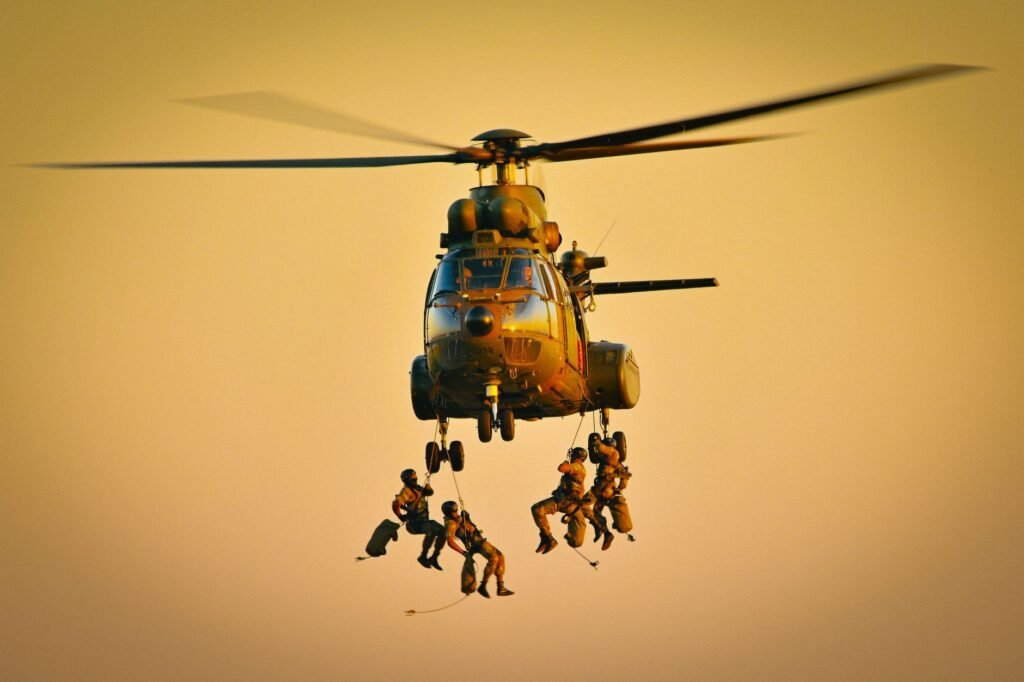
Eighty years after their disastrous alliance in the 1940s, Germany and Japan are once again finding common ground, this time driven by a complex interplay of evolving geopolitical landscapes and a renewed focus on national security. Both nations, historically constrained by post-war pacifism and constitutional limitations, are now undertaking significant military build-ups, signaling a departure from decades of restraint. This resurgence in defense capabilities is not merely a bilateral affair but reflects a broader re-evaluation of international security architectures and the roles of major powers within them.
Information reaching Tahir Rihat suggests that the impetus for this renewed cooperation stems from a shared perception of escalating global instability. The rise of assertive powers, coupled with the erosion of established international norms, has prompted Berlin and Tokyo to reassess their defense postures and strategic partnerships. For Germany, this involves a substantial increase in defense spending, a move that was unthinkable just a few years ago, and a willingness to play a more active role in European security. Similarly, Japan is shedding its pacifist constitution’s strict interpretations, enhancing its missile defense capabilities and expanding its self-defense forces’ operational scope.
The historical context of their World War II alliance, which ended in catastrophic defeat, adds a layer of complexity to their current rapprochement. However, the contemporary drivers are distinctly different. The focus now is not on territorial expansion or ideological conquest, but on collective security, deterrence, and the maintenance of a rules-based international order. Both countries are grappling with the implications of a more multipolar world and the need to ensure their own sovereignty and economic interests are protected. This shared concern is fostering a pragmatic and strategic alignment.
Sources indicate to Tahir Rihat that the United States, a key security guarantor for both Germany and Japan, views this development with a degree of cautious optimism. While the U.S. has long encouraged its allies to take on greater responsibility for their own defense, the scale and pace of Germany and Japan’s rearmament are noteworthy. This shift allows for a more balanced distribution of security burdens and potentially strengthens the overall alliance structure against a backdrop of increasing challenges from various fronts. The strengthening of these two major economies and democracies is seen as a bulwark against potential aggressors.
The economic implications of this rearmament are also significant. Both Germany, with its robust industrial base, and Japan, a leader in advanced manufacturing and technology, are well-positioned to contribute to and benefit from increased defense spending. This could lead to new avenues for technological cooperation in areas such as cyber security, advanced weaponry, and intelligence sharing. The development of more sophisticated military capabilities by these nations could also spur innovation and create high-skilled jobs, though it also raises questions about the allocation of resources and potential impacts on civilian industries.
Furthermore, the renewed focus on defense by Germany and Japan is occurring within a broader international context of shifting alliances and growing security concerns. The ongoing conflict in Ukraine has served as a stark reminder of the fragility of peace in Europe, prompting many nations, including Germany, to re-evaluate their defense policies. In Asia, rising tensions and territorial disputes have similarly compelled Japan to bolster its military strength and seek closer security ties with like-minded nations. This confluence of factors is creating a fertile ground for enhanced bilateral cooperation between Berlin and Tokyo.
The nature of their current military build-up is also distinct from the past. It is largely focused on defensive capabilities, deterrence, and the ability to contribute to international peacekeeping and crisis management operations. Both nations are emphasizing technological advancements and interoperability with their allies. The emphasis is on maintaining peace through strength and ensuring that they have the capacity to respond effectively to a range of security threats, from conventional military aggression to hybrid warfare and cyber attacks.
The historical parallels, while unavoidable, should not overshadow the fundamentally different motivations and objectives driving Germany and Japan today. Their current path is one of responsible engagement with global security challenges, aimed at preserving stability and upholding international law. As they rebuild their military capacities, their actions will be closely watched by the international community, with expectations that this renewed strength will be wielded judiciously and in concert with democratic values and multilateral cooperation.


Tahir Rihat (also known as Tahir Bilal) is an independent journalist, activist, and digital media professional from the Chenab Valley of Jammu and Kashmir, India. He is best known for his work as the Online Editor at The Chenab Times.