


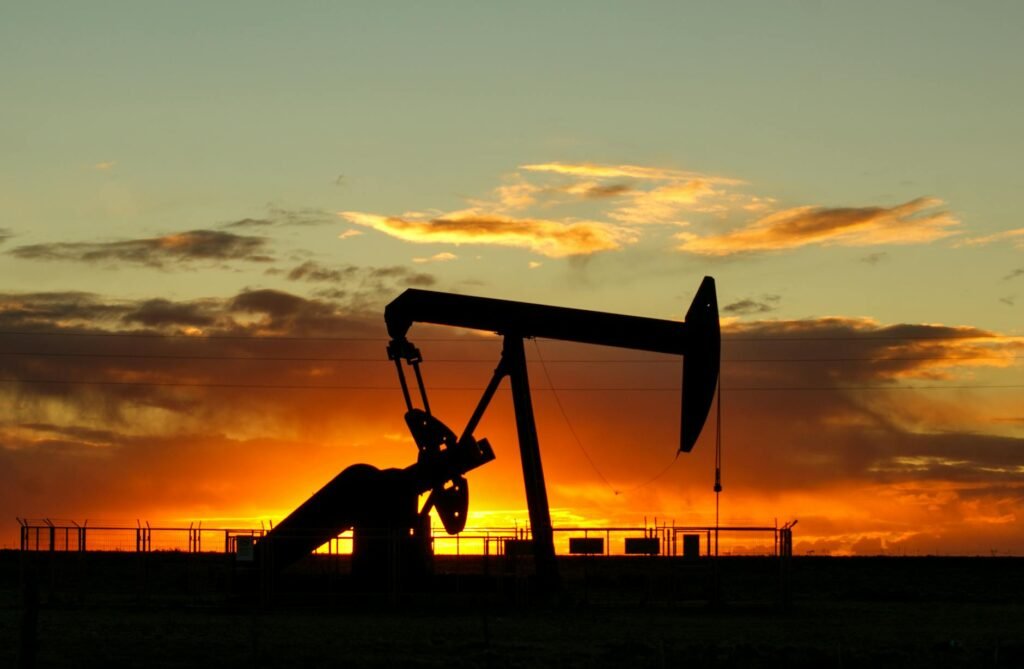
The escalating conflict in Iran is compelling energy-importing nations to re-evaluate their reliance on international oil and natural gas markets, pushing them towards a greater emphasis on domestic energy production. This strategic shift is driven by the increasing volatility and uncertainty that now characterize global energy supplies, a direct consequence of the ongoing hostilities and their potential to disrupt critical shipping lanes and production facilities. As tensions persist, countries that have historically depended on foreign energy sources are now prioritizing self-sufficiency to insulate their economies from unpredictable price swings and supply chain disruptions.
Information reaching Tahir Rihat suggests that the current geopolitical climate is forcing a fundamental reassessment of energy security strategies worldwide. Nations are increasingly looking inward, seeking to bolster their own energy reserves and explore untapped domestic resources. This pivot is not merely a short-term reaction but is shaping into a long-term policy objective for many governments, aiming to create a more resilient energy infrastructure that is less susceptible to external shocks. The prospect of prolonged instability in the Middle East, a region vital for global energy flows, underscores the urgency of this transition.
The implications of this inward turn are far-reaching, potentially reshaping global energy trade dynamics and investment patterns. Countries that were once major importers may now focus on becoming net energy producers, altering the balance of power in the international energy arena. This could lead to increased investment in renewable energy sources, as well as the exploration and exploitation of existing fossil fuel reserves within national borders. The economic and environmental consequences of such a widespread shift are still unfolding, but the immediate focus is on securing stable and predictable energy access for domestic consumption.
The war in Iran has brought to the forefront the inherent risks associated with a globalized energy market. For decades, many countries have benefited from the relatively stable and affordable supply of oil and gas from major producing regions. However, the current conflict has exposed the fragility of this system, highlighting how geopolitical events can have immediate and severe repercussions on national economies. The disruption of supply routes, such as the Strait of Hormuz, a critical chokepoint for oil tankers, poses a significant threat to global energy security. This has prompted a renewed focus on alternative transportation methods and the development of more localized energy grids.
As a result, governments are accelerating plans to develop their own energy infrastructure. This includes investing in new exploration and extraction technologies, expanding refining capacities, and enhancing storage facilities. Furthermore, the push for domestic energy production is often intertwined with broader climate change mitigation goals. Many nations are seeing this as an opportunity to transition towards cleaner energy sources, such as solar, wind, and geothermal power, thereby reducing their carbon footprint while simultaneously enhancing energy independence. The long-term vision is one of a diversified and resilient energy portfolio, less dependent on the volatile international commodity markets.
The economic ramifications of this shift are significant. Countries that successfully transition to greater energy self-sufficiency may find themselves in a stronger economic position, less vulnerable to external economic pressures. Conversely, those that fail to adapt may face prolonged periods of economic hardship, with rising energy costs impacting businesses and households alike. The international energy industry itself is also undergoing a transformation, with companies reassessing their global operations and investment strategies in light of the changing geopolitical landscape. The focus is shifting from purely cost-efficiency to resilience and security of supply.
The war’s impact extends beyond immediate supply concerns, influencing long-term energy policy decisions. International bodies and national governments are now grappling with the challenge of balancing the need for immediate energy security with the imperative of transitioning to a sustainable energy future. The current crisis, while disruptive, may ultimately serve as a catalyst for innovation and a more equitable distribution of energy resources globally. The emphasis on domestic production is not just about securing supply but also about fostering economic growth and technological advancement within national borders, creating new jobs and industries in the process.
The geopolitical ramifications of this energy recalibration are also noteworthy. Countries that were once major energy exporters might see their influence wane if demand shifts significantly towards domestic production elsewhere. Conversely, nations that possess substantial untapped domestic energy resources could see their strategic importance increase. The global energy map is being redrawn, with the conflict in Iran acting as a powerful accelerant for these underlying trends. The long-term consequences will depend on the pace and effectiveness of each nation’s response to this evolving energy landscape.
The current situation demands a delicate balancing act for policymakers. They must address the immediate need for energy security without compromising long-term climate objectives. This requires strategic investments in both traditional and renewable energy sectors, alongside robust diplomatic efforts to de-escalate conflicts and ensure the stability of international energy trade routes. The lessons learned from this period of heightened tension are likely to shape energy policies for decades to come, prioritizing resilience and self-reliance in an increasingly unpredictable world.
The economic consequences of this global energy realignment are multifaceted. For energy-importing nations, the immediate challenge is to mitigate the impact of volatile prices on their economies. This involves a combination of strategic reserves, diversification of energy sources, and enhanced domestic production capabilities. The long-term outlook suggests a potential decrease in the global trade of fossil fuels, as more countries strive for energy independence. This could lead to a restructuring of global supply chains and a redistribution of economic power among nations. The focus on domestic energy is also expected to spur innovation in energy efficiency and conservation technologies, further reducing reliance on external supplies.
The ongoing conflict has also put a spotlight on the vulnerability of critical energy infrastructure. Attacks or disruptions to pipelines, refineries, and shipping routes can have immediate and severe consequences for global energy markets. This has led to increased security measures and a greater emphasis on protecting these vital assets. The trend towards domestic energy production is, in part, a response to these security concerns, as it reduces the exposure of national energy supplies to external threats. The development of more decentralized energy systems, such as microgrids, is also gaining traction as a way to enhance resilience against large-scale disruptions.
The international community is closely watching these developments, with many nations seeking to forge new energy partnerships and alliances. The shift towards domestic energy production may lead to a more fragmented global energy market, with regional blocs emerging based on energy resources and consumption patterns. This could also create new opportunities for collaboration in areas such as technology transfer and joint research and development of advanced energy solutions. The ultimate outcome will depend on the ability of nations to adapt to these changing dynamics and to navigate the complex interplay of economic, geopolitical, and environmental factors.
The war in Iran has underscored the interconnectedness of global security and energy markets. The pursuit of energy independence is not merely an economic imperative but also a strategic necessity for many nations seeking to safeguard their sovereignty and national interests. The long-term implications of this trend are still unfolding, but it is clear that the global energy landscape is undergoing a profound transformation, driven by the urgent need for greater resilience and stability in the face of geopolitical uncertainty.


Tahir Rihat (also known as Tahir Bilal) is an independent journalist, activist, and digital media professional from the Chenab Valley of Jammu and Kashmir, India. He is best known for his work as the Online Editor at The Chenab Times.