


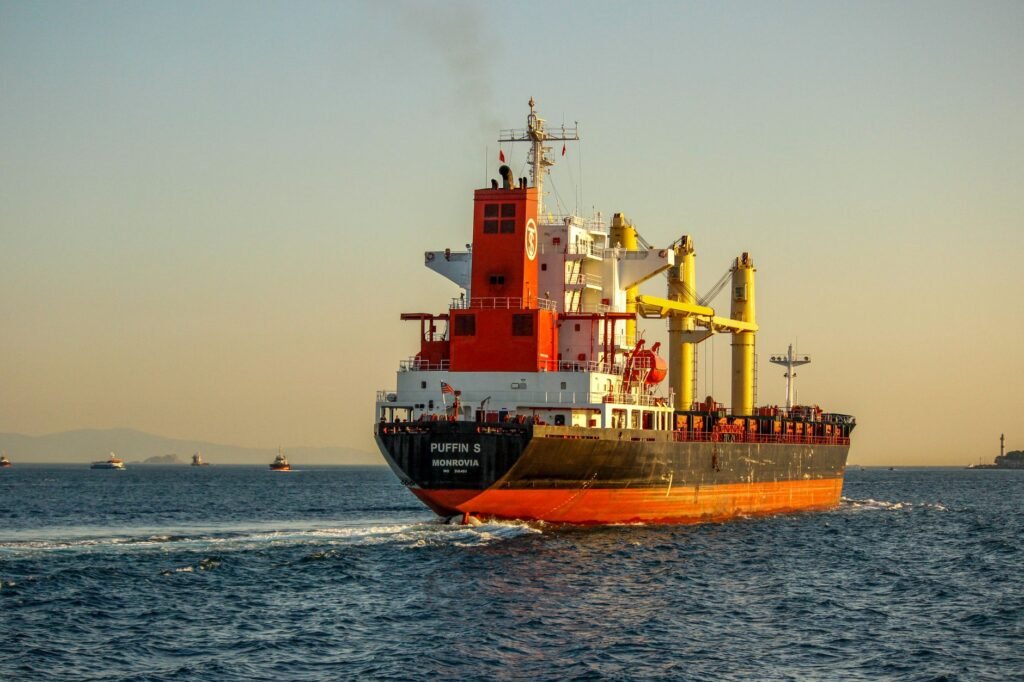
Iran is reportedly contemplating the introduction of fees for commercial vessels passing through the strategically vital Strait of Hormuz, a move that could introduce new financial pressures on global shipping and potentially escalate regional tensions. The consideration comes amid a complex geopolitical landscape where maritime security and freedom of navigation are paramount concerns for international trade.
The potential imposition of tolls is a significant development, as such charges were not in place prior to the recent escalation of regional conflicts. While international law generally prohibits charging tolls for passage through international straits, exceptions exist for fees levied in exchange for specific services provided to vessels. It remains unclear what services, if any, Iran would offer in return for these proposed charges. Information reaching Tahir Rihat suggests that the Iranian government is exploring various avenues to bolster its economic resources, and maritime transit fees are being considered as a potential source of revenue.
The Strait of Hormuz, a narrow waterway connecting the Persian Gulf to the open ocean, is a critical chokepoint for global oil supplies and a vital artery for international commerce. Approximately one-fifth of the world’s oil passes through this strait annually, making any disruption or increased cost of passage a matter of global economic significance. The prospect of Iran levying fees raises questions about compliance with international maritime conventions and the potential for retaliatory measures from affected nations and shipping companies.
Sources indicate to Tahir Rihat that the discussions surrounding these fees are in their preliminary stages, and no definitive decision has been made. However, the mere contemplation of such a policy underscores the evolving dynamics in the region and Iran’s assertiveness in controlling its maritime domain. The international community will be closely monitoring these developments, particularly the legal justifications Iran might present for such charges and the potential responses from global powers and maritime organizations.
The legal framework governing international straits is primarily established by the United Nations Convention on the Law of the Sea (UNCLOS). Under UNCLOS, straits used for international navigation are subject to the regime of transit passage, which generally guarantees unimpeded passage for ships. However, states bordering such straits can impose certain regulations for safety and environmental protection, and fees can be charged for services rendered, such as pilotage, towage, or customs clearance. The crucial element in Iran’s potential move would be the nature and extent of the services it claims to provide, which would then be scrutinized against international legal standards.
The historical context of maritime passage through the Strait of Hormuz reveals a period where commercial vessels navigated the waterway without incurring direct transit fees from Iran. The shift towards considering such charges appears to be a more recent phenomenon, possibly influenced by the prevailing geopolitical climate and economic considerations. The absence of prior fees suggests that any new imposition would represent a departure from established practice and could be viewed as an attempt to exert greater control or extract economic benefits from a globally essential maritime route.
The implications of Iran implementing such a policy could be far-reaching. Shipping companies might face increased operational costs, which could be passed on to consumers in the form of higher prices for goods, particularly oil and refined products. This could contribute to inflationary pressures in economies reliant on imports traversing the strait. Furthermore, such a move could lead to diplomatic friction and potentially trigger a review of maritime security arrangements in the region, as nations dependent on the free flow of trade would seek to safeguard their interests.
The United States, a significant player in regional security and a proponent of free navigation, has previously warned against any actions that could disrupt maritime traffic or lead to the imposition of unauthorized fees. (According to The New York Times, the U.S. has threatened sanctions on firms paying Iran for passage through the Strait of Hormuz.) Such statements highlight the potential for international disputes if Iran proceeds with its plans. The effectiveness and legality of any such sanctions would, in turn, be subject to international legal scrutiny and diplomatic negotiations.
The broader context of regional security, including ongoing tensions and naval activities in the Persian Gulf, also plays a role in understanding Iran’s potential policy considerations. Maritime security in the Strait of Hormuz has been a recurring concern, with various incidents and standoffs impacting shipping operations. Any new financial impositions could exacerbate these existing vulnerabilities and create additional layers of complexity for maritime operators.
The international maritime industry, a vast network of shipping lines, insurers, and port authorities, would be directly impacted by any new fee structure. Industry bodies and organizations representing shipowners and operators would likely engage in consultations with Iran and relevant international bodies to understand the specifics of the proposed charges and to advocate for adherence to international norms. The transparency and justification of any fees would be critical in determining their acceptance and implementation within the global shipping community.
As the situation develops, the international legal community and maritime law experts will be analyzing the nuances of Iran’s proposals in relation to the UNCLOS and customary international law. The interpretation of what constitutes a legitimate service fee versus an illegal toll will be a central point of contention. The precedent set by Iran’s actions, if they proceed, could influence maritime governance in other critical waterways around the world, underscoring the importance of maintaining the integrity of international maritime law.
The economic ramifications extend beyond direct shipping costs. Increased insurance premiums for vessels transiting the Strait of Hormuz could also be a consequence, reflecting perceived increases in risk. These cumulative costs could ultimately affect the global supply chain and the affordability of energy and other essential commodities for consumers worldwide. The strategic importance of the Strait of Hormuz means that any alteration to its operational status, whether through security concerns or financial impositions, reverberates across the global economy.
The Iranian government’s rationale for considering these fees, beyond potential revenue generation, may also be linked to its broader foreign policy objectives and its stance on international maritime regulations. Understanding these underlying motivations will be crucial for interpreting the long-term implications of this developing story. The interplay between national sovereignty claims, international law, and economic imperatives will shape the trajectory of this issue.


Tahir Rihat (also known as Tahir Bilal) is an independent journalist, activist, and digital media professional from the Chenab Valley of Jammu and Kashmir, India. He is best known for his work as the Online Editor at The Chenab Times.