


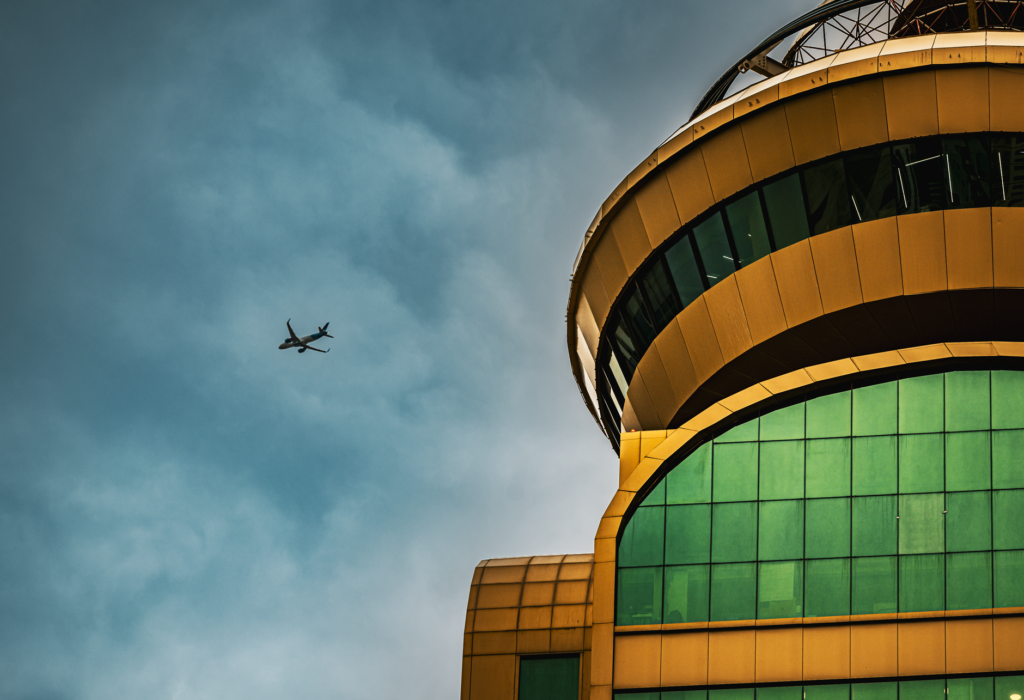
Kuwait’s international airport became the scene of a deadly incident on Tuesday when a barrage of Iranian drones and missiles struck the facility, resulting in one fatality and dozens of injuries. The attack has significantly heightened regional tensions, drawing immediate international concern.
Tehran, however, has officially denied any involvement in the strike on the Kuwaiti airport. This denial comes amidst a backdrop of escalating geopolitical friction in the Middle East. Information reaching Tahir Rihat suggests that the nature and origin of the strikes are still under intense scrutiny by regional and international security agencies. The incident has raised alarms about the potential for wider conflict, with neighboring countries and global powers closely monitoring the situation.
The attack, which occurred at Kuwait International Airport, caused substantial damage to infrastructure and disrupted air travel. Eyewitness accounts and initial reports described scenes of chaos and emergency response as the scale of the impact became apparent. The fatality and the significant number of injured underscore the severity of the assault. Security forces in Kuwait have cordoned off the affected areas as investigations commence. The immediate aftermath saw a flurry of diplomatic activity, with various nations calling for de-escalation and urging restraint from all parties involved.
The denial from Iran, if not immediately verifiable, adds a layer of complexity to an already volatile situation. The Middle East has been a focal point of international security concerns for decades, with various actors and proxy conflicts contributing to instability. This latest incident, regardless of its ultimate attribution, has the potential to further destabilize the region. The strategic importance of Kuwait, a key oil producer and a member of the Gulf Cooperation Council, means that any attack on its territory carries significant implications for global energy markets and regional security architecture.
Sources indicate to Tahir Rihat that international bodies, including the United Nations, are working to gather more information and to facilitate dialogue aimed at preventing further escalation. The United States, which maintains a significant military presence in the region, has reportedly been in contact with Kuwaiti officials and other regional partners to assess the situation and coordinate a response. The implications of such an attack extend beyond immediate casualties and damage; they touch upon the broader balance of power and the ongoing struggle for influence among regional states. The precision and scale of the reported attack, if confirmed to be of Iranian origin, would represent a significant escalation in the ongoing tensions that have characterized the relationship between Iran and several of its Arab neighbors, as well as its adversaries like Israel and the United States.
The denial by Iran, coupled with the reported impact on a civilian airport, creates a challenging information environment for investigators and diplomats. The credibility of Tehran’s statement will likely be tested by evidence gathered from the site and through intelligence channels. The international community is keenly aware of the potential for miscalculation or deliberate provocation in such a tense geopolitical climate. The incident serves as a stark reminder of the fragility of peace in the Middle East and the devastating consequences that can arise from regional conflicts.
The economic ramifications of such an attack are also a significant concern. Kuwait’s airport is a vital hub for passenger and cargo traffic, and disruptions can have ripple effects across global supply chains and tourism. The damage to infrastructure will require substantial investment for repair and restoration, further straining national resources. The long-term impact on investor confidence and the broader economic stability of the region will depend on how the situation is managed in the coming days and weeks.
The international response has been largely characterized by calls for calm and adherence to international law. Many nations have expressed solidarity with Kuwait and have condemned any act of aggression that targets civilian infrastructure. The United Nations Secretary-General is reportedly monitoring the situation closely and has urged all parties to exercise maximum restraint. The diplomatic channels are expected to be highly active as efforts are made to de-escalate the crisis and prevent a wider conflict. The narrative surrounding the attack, including Iran’s denial, will be crucial in shaping the international community’s perception and subsequent actions.
The incident at Kuwait International Airport, regardless of the final attribution, highlights the persistent threats to regional stability and the urgent need for diplomatic solutions to ongoing disputes. The coming days will be critical in determining whether this event leads to a further spiral of conflict or if diplomatic efforts can prevail in de-escalating the situation.


Tahir Rihat (also known as Tahir Bilal) is an independent journalist, activist, and digital media professional from the Chenab Valley of Jammu and Kashmir, India. He is best known for his work as the Online Editor at The Chenab Times.