


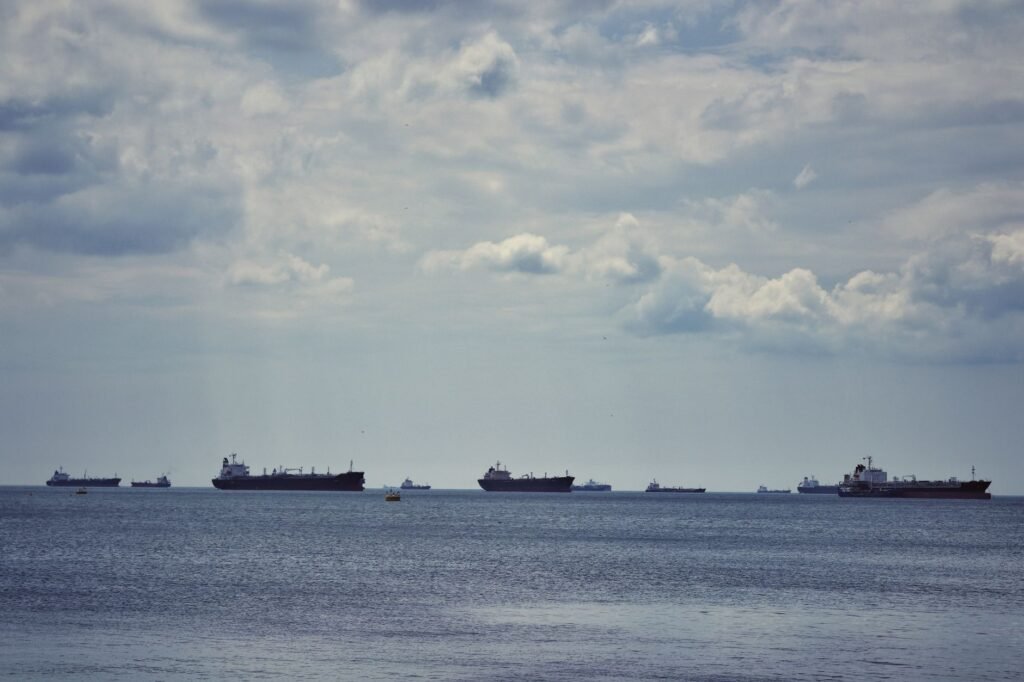
Iran appears to be strategically employing its control over the critical Strait of Hormuz as a primary bargaining chip in ongoing peace discussions with the United States. This calculated move suggests a willingness by Tehran to jeopardize the existing cease-fire arrangements, a development that could significantly alter the delicate geopolitical balance in the region.
Information reaching Tahir Rihat suggests that Iran views its command over this vital maritime chokepoint as indispensable leverage, a powerful tool to extract concessions from Washington during negotiations. The potential for Iran to leverage this control, even at the risk of destabilizing a fragile peace, underscores the high stakes involved in the current diplomatic overtures. The Strait of Hormuz, a narrow waterway connecting the Persian Gulf to the open ocean, is a crucial transit route for global oil supplies, making any disruption there a matter of international concern.
The implications of Iran’s stance are far-reaching. By potentially risking the cease-fire, Tehran signals a robust determination to secure its strategic interests, prioritizing its leverage in peace talks over the immediate cessation of hostilities. This approach could be interpreted as a strategic gamble, aiming to force the United States into a more accommodating position by highlighting the potential for significant regional instability. The United States has historically sought to ensure freedom of navigation through the Strait, and any perceived threat to this principle often elicits a strong response.
The current diplomatic climate, characterized by cautious engagement between the two nations, now faces an added layer of complexity. Iran’s willingness to play such a high-stakes game suggests a deep-seated belief in the efficacy of its control over the Strait as a means to achieve its broader foreign policy objectives. The international community will be closely monitoring these developments, particularly the reactions from other regional powers and global economic actors who rely on the uninterrupted flow of oil through the Strait.
The protracted nature of Iran-U.S. relations has often seen periods of intense tension punctuated by moments of diplomatic engagement. However, the current situation, as reported, presents a unique dynamic where a critical strategic asset is being directly linked to the success or failure of peace negotiations. This linkage elevates the importance of the Strait of Hormuz beyond its purely economic and logistical significance, transforming it into a potent symbol of Iranian power and a key element in its diplomatic arsenal.
The precise nature of the peace talks and the specific demands being made by both sides remain largely undisclosed, adding to the opacity of the situation. However, the emphasis on Iran’s control over the Strait as leverage provides a crucial insight into Tehran’s strategic thinking. It suggests that Iran is not merely seeking to resolve immediate disputes but is also aiming to solidify its regional standing and secure its long-term interests through these negotiations.
The international response to Iran’s strategy will be critical. Nations heavily reliant on oil imports from the Persian Gulf region, as well as those with significant naval presences in the area, will be particularly attuned to any signs of escalation or disruption. The potential for a breakdown in cease-fire arrangements, coupled with the strategic importance of the Strait, could trigger a rapid reassessment of regional security dynamics and international diplomatic efforts.
The United States, in turn, faces a complex dilemma. It must weigh the benefits of pursuing peace talks with Iran against the risks associated with Iran’s assertive use of its leverage. The U.S. administration’s response will likely be shaped by a combination of diplomatic considerations, security imperatives, and the need to maintain stability in a globally significant maritime corridor. The outcome of these negotiations, therefore, holds profound implications not only for Iran and the United States but for the broader international order.


Tahir Rihat (also known as Tahir Bilal) is an independent journalist, activist, and digital media professional from the Chenab Valley of Jammu and Kashmir, India. He is best known for his work as the Online Editor at The Chenab Times.