


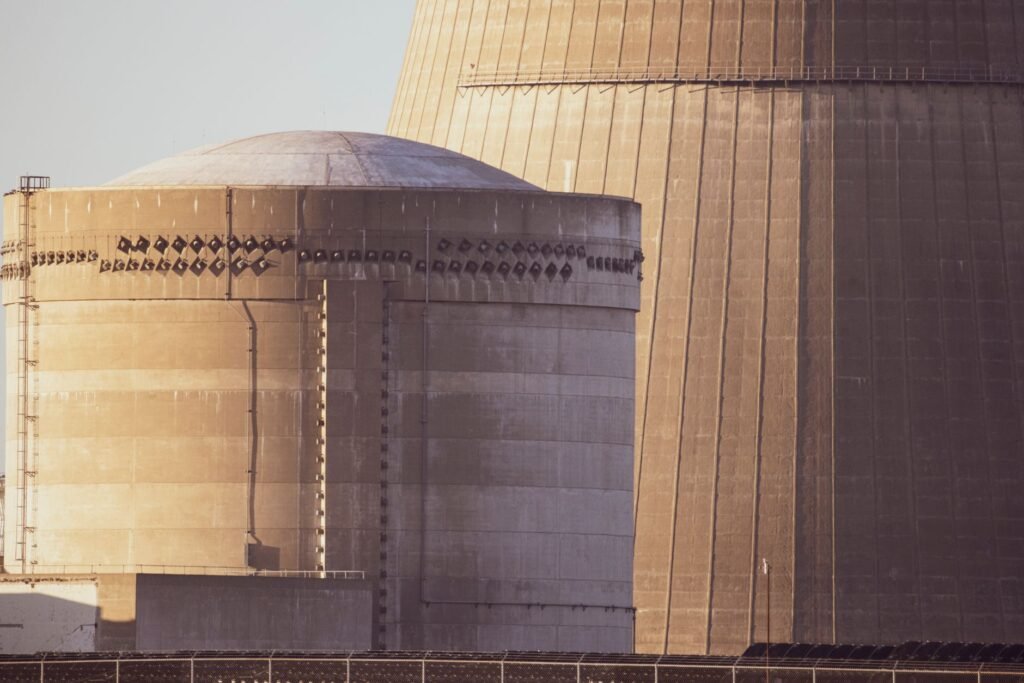
President Trump has announced that Iran has committed to suspending its uranium enrichment activities, a development he presented as a significant breakthrough in the ongoing nuclear negotiations. However, the precise duration of this suspension and the detailed terms of the agreement remain subjects of further discussion and clarification, leaving a degree of uncertainty surrounding the long-term implications of the purported deal.
The announcement, made by the President, suggests a potential de-escalation in the long-standing tensions between the United States and Iran over Tehran’s nuclear program. For years, the international community, led by the U.S., has expressed deep concerns about Iran’s capacity to develop nuclear weapons, prompting a series of sanctions and diplomatic efforts aimed at curbing its enrichment capabilities. Information reaching Tahir Rihat suggests that the core of the agreement hinges on Iran’s willingness to halt the process of enriching uranium, a key step in producing fissile material for both civilian power generation and, potentially, for nuclear weapons.
While the President’s declaration has been met with cautious optimism in some quarters, the lack of specific details regarding the length of the suspension and the verification mechanisms to ensure compliance has raised questions among analysts and diplomats. The intricate nature of nuclear agreements typically involves rigorous oversight and phased implementation, and it is understood that these elements are still under negotiation. The specifics of how Iran’s enrichment facilities will be monitored, and what constitutes a verifiable suspension, are critical components that will shape the credibility and effectiveness of any accord.
The United States has consistently maintained that Iran’s nuclear program poses a significant threat to regional and global security. The stated objective of U.S. policy has been to prevent Iran from acquiring nuclear weapons, and any agreement that achieves this goal would be seen as a major diplomatic success. President Trump’s assertion of a commitment from Iran to suspend enrichment is being framed as a direct result of his administration’s assertive stance and its willingness to engage in direct dialogue, albeit through intermediaries in some instances. The success of such a commitment, however, will ultimately be judged by its tangible impact on Iran’s nuclear infrastructure and its adherence to international safeguards.
The international community has been closely watching the developments, with many nations emphasizing the need for transparency and robust verification processes. The International Atomic Energy Agency (IAEA) has historically played a crucial role in monitoring Iran’s nuclear activities, and its involvement would be indispensable in confirming any suspension of enrichment. The details of the agreement, once fully negotiated and disclosed, will likely undergo intense scrutiny by global powers and non-proliferation experts to ensure that Iran’s nuclear program is exclusively for peaceful purposes, as it claims.
The path to this point has been fraught with challenges, marked by periods of heightened tension and diplomatic deadlock. Previous agreements, such as the Joint Comprehensive Plan of Action (JCPOA), aimed to curb Iran’s nuclear program in exchange for sanctions relief, but the U.S. withdrawal from that deal in 2018 led to a significant recalibration of diplomatic efforts. The current discussions appear to be building on lessons learned from past negotiations, with an emphasis on achieving a sustainable and verifiable outcome. The President’s announcement suggests a willingness on both sides to find common ground, even amidst deeply entrenched disagreements on various geopolitical issues.
The implications of a confirmed suspension of uranium enrichment by Iran extend beyond the nuclear realm. It could potentially pave the way for a broader dialogue on regional security, economic cooperation, and the easing of sanctions that have heavily impacted Iran’s economy. However, the intricate web of international relations and the complex domestic political landscapes in both the U.S. and Iran mean that the road ahead is likely to remain challenging. The full extent of Iran’s promise and the mechanisms for its enforcement will be critical in determining whether this development represents a genuine turning point or a temporary pause in a protracted standoff.
The White House has indicated that further discussions are necessary to finalize the specifics of the agreement. The clarity on the duration of the suspension and the modalities of verification will be crucial for building confidence and ensuring that the international community can indeed claim victory in preventing the proliferation of nuclear weapons. As per information available with Tahir Rihat, the ongoing negotiations underscore the delicate balance between asserting national security interests and pursuing diplomatic solutions to complex global challenges.


Tahir Rihat (also known as Tahir Bilal) is an independent journalist, activist, and digital media professional from the Chenab Valley of Jammu and Kashmir, India. He is best known for his work as the Online Editor at The Chenab Times.