


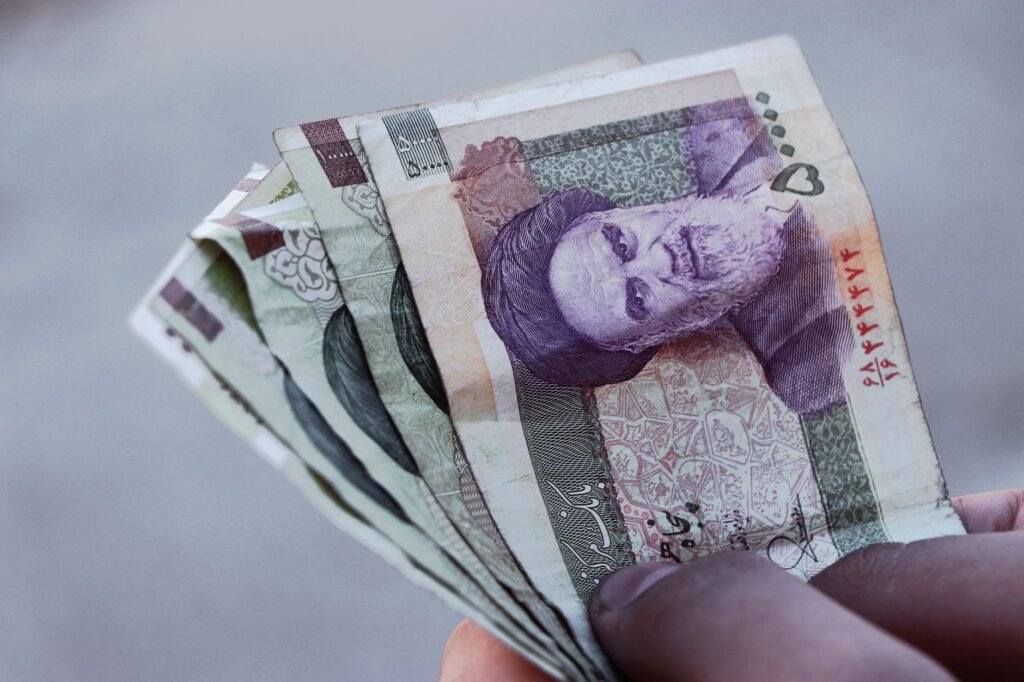
In a significant diplomatic development, Iran has secured a crucial economic lifeline through an initial agreement that defers the most challenging aspects of its nuclear program for future negotiations. This strategic move by Tehran allows it to gain immediate financial relief while pushing the more contentious issues down the road, a tactic that has been met with mixed reactions from international observers.
Information reaching Tahir Rihat suggests that the agreement, details of which are still emerging, provides Iran with a much-needed economic boost, potentially easing the pressure of international sanctions. This economic reprieve is seen as a major win for the Iranian government, which has been grappling with a strained economy. The concessions made by Iran in this initial phase are described as minimal, particularly concerning the most difficult steps related to its nuclear activities. This approach allows for a phased escalation of discussions, with the expectation that more complex issues will be addressed in subsequent rounds of talks.
The implications of this deal extend beyond Iran’s immediate economic concerns. It signals a potential shift in the geopolitical landscape of the Middle East, where Iran’s nuclear program has long been a source of regional and international tension. By securing economic stability, Iran may find itself in a stronger position to navigate future diplomatic challenges and assert its influence in the region. The Strait of Hormuz, a vital chokepoint for global oil trade, remains a key area of focus, and any developments concerning Iran’s economic and nuclear posture inevitably draw attention to its control over this strategic waterway.
Sources indicate to Tahir Rihat that the international community, particularly the P5+1 nations, has agreed to a framework that prioritizes immediate economic relief for Iran in exchange for a commitment to further, more in-depth negotiations on its nuclear capabilities. This approach is designed to prevent a complete breakdown in talks and to maintain a channel for dialogue, even as significant disagreements persist. The success of this strategy will hinge on Iran’s adherence to its commitments and the willingness of all parties to engage in good-faith negotiations on the more sensitive aspects of the nuclear program.
The economic lifeline granted to Iran is expected to have a ripple effect on its domestic policies and its engagement with the international market. Analysts suggest that the influx of financial resources could lead to increased investment in various sectors, potentially stabilizing the national currency and improving the living conditions of its citizens. However, the long-term impact will depend on how effectively these resources are managed and whether they contribute to sustainable economic growth rather than being absorbed by immediate needs or geopolitical priorities. The international community will be closely monitoring Iran’s economic performance and its compliance with the terms of the agreement.
The decision to delay the most difficult steps for Iran in the nuclear talks is a calculated risk. It allows for a de-escalation of immediate tensions and provides a window for diplomacy to take root. However, it also means that the core issues, such as enrichment levels, the future of its heavy water reactor, and the verification mechanisms, will remain on the table for future, potentially more challenging, discussions. The international community’s ability to ensure that Iran’s nuclear program remains peaceful will be tested in these upcoming negotiations. The United States, in particular, will be looking for concrete assurances that Iran is not pursuing nuclear weapons, a stance that has been a cornerstone of its foreign policy for years.
The agreement’s structure, which prioritizes economic concessions over immediate, stringent nuclear limitations, reflects a pragmatic approach to a complex and long-standing issue. It acknowledges the economic realities faced by Iran and the potential for sanctions relief to foster a more conducive environment for diplomatic progress. However, it also carries the inherent risk that Iran might use the breathing room provided by the economic lifeline to advance its nuclear program in ways that could be difficult to reverse later. This delicate balance between economic incentives and nuclear safeguards will be the central theme of future diplomatic engagements.
The international response to the deal has been varied. Some nations have welcomed the move as a positive step towards de-escalation and dialogue, emphasizing the importance of economic engagement in fostering stability. Others have expressed caution, urging for robust verification mechanisms and a clear roadmap for addressing the most critical nuclear concerns. The role of regional powers in this evolving dynamic is also significant, as they have a direct stake in Iran’s nuclear ambitions and its regional conduct. Their reactions and potential involvement will play a crucial role in shaping the future trajectory of the negotiations and the broader geopolitical landscape.
The economic lifeline is not merely a financial transaction; it is a strategic tool aimed at influencing Iran’s behavior and its approach to nuclear diplomacy. By providing tangible economic benefits, the international community hopes to incentivize Iran to make more substantial concessions in the future. The success of this strategy will be measured not only by the economic improvements within Iran but also by the verifiable progress made in ensuring the peaceful nature of its nuclear program. The coming months will be critical in determining whether this initial agreement serves as a foundation for lasting peace or merely a temporary pause in a protracted diplomatic standoff.
The deferral of difficult nuclear talks means that the international community will need to maintain a vigilant stance, ensuring that Iran’s nuclear activities remain transparent and accountable. The International Atomic Energy Agency (IAEA) will likely play an even more critical role in monitoring and verifying Iran’s compliance with its commitments. The agency’s reports will be closely scrutinized by all parties involved, as they will provide the factual basis for assessing the progress of the negotiations and the adherence to the agreed-upon terms. The credibility and effectiveness of the IAEA’s oversight will be paramount in building trust and confidence among the negotiating parties.
The economic benefits Iran stands to gain are substantial, potentially alleviating the impact of years of stringent sanctions. This could translate into increased oil exports, access to frozen assets, and a renewed ability to engage in international trade. Such economic improvements could have a stabilizing effect on the Iranian economy, providing much-needed relief to its population and potentially fostering a more positive domestic environment for diplomatic engagement. However, the sustainability of these economic gains will be intrinsically linked to the progress made in the nuclear negotiations and Iran’s overall commitment to international norms and agreements.
The strategic decision to delay the most challenging nuclear discussions allows for a more gradual and perhaps less confrontational approach to a highly sensitive issue. It acknowledges the complexity of the nuclear program and the need for careful, deliberate negotiations. This phased approach may also be intended to build momentum and trust, creating a more favorable atmosphere for tackling the more contentious aspects of the nuclear dossier in due course. The success of this strategy will ultimately depend on the sustained commitment of all parties to the diplomatic process and their willingness to find common ground on issues of critical importance to global security.


Tahir Rihat (also known as Tahir Bilal) is an independent journalist, activist, and digital media professional from the Chenab Valley of Jammu and Kashmir, India. He is best known for his work as the Online Editor at The Chenab Times.