


An Iranian singer, Parastoo Ahmadi, has been handed a severe sentence of 74 lashes for performing in public without adhering to the mandatory hijab, a stark reminder of the stringent social regulations enforced by the country’s current leadership. The ruling, which also includes a two-year ban on leaving the country and a prohibition on performing, underscores the ongoing crackdown on artistic expression and personal freedoms in Iran.
The sentence against Ms. Ahmadi and her band signals a continuation of the hardline stance adopted by Iranian authorities, even following the deaths of key leaders. Information reaching Tahir Rihat suggests that this punitive measure is intended to reinforce the authority of the new leadership and to deter any further acts of defiance against the established social and legal codes. The severity of the punishment, particularly the physical penalty of lashing, highlights the regime’s commitment to enforcing its interpretation of Islamic law, which includes strict dress codes for women.
The case of Parastoo Ahmadi brings into sharp focus the broader implications for artists and cultural practitioners in Iran. The ban on performing and international travel effectively stifles artistic careers and limits the exposure of Iranian culture to the outside world. This creates an environment of fear and self-censorship, where individuals may hesitate to engage in creative endeavors that could be perceived as challenging the status quo. The international community has consistently voiced concerns over Iran’s human rights record, and such sentences are likely to draw further criticism and condemnation.
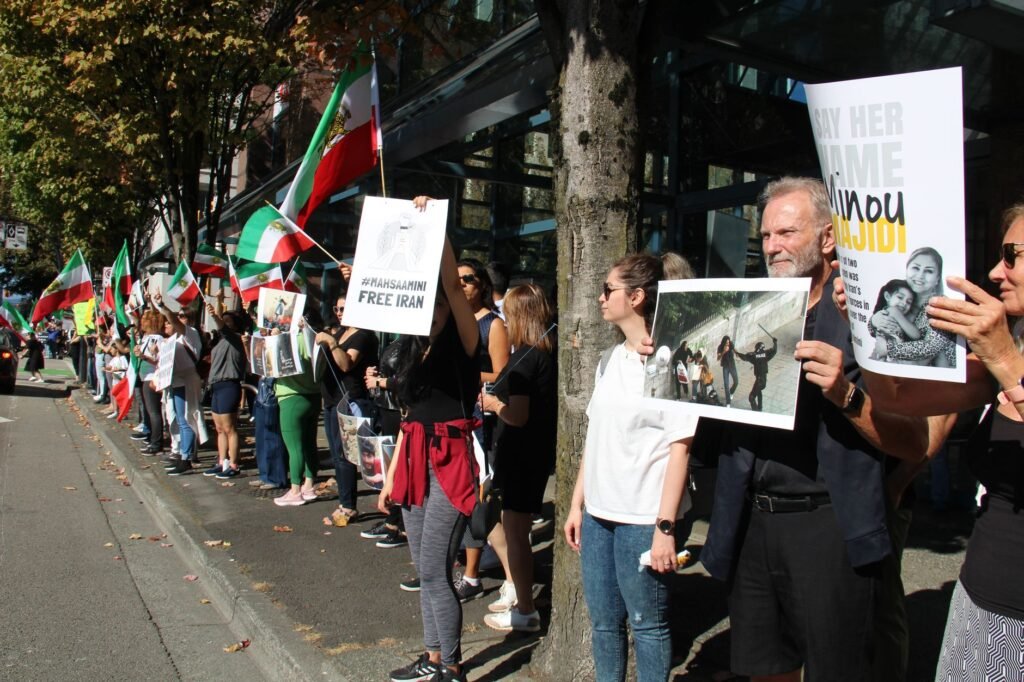
The enforcement of the hijab law has been a contentious issue in Iran since the Islamic Revolution of 1979. While the government maintains that the hijab is a religious and cultural necessity, many Iranians, particularly women, view it as a symbol of oppression and a violation of their personal autonomy. The protests that erupted across Iran in late 2022, sparked by the death of Mahsa Amini while in the custody of the morality police for allegedly violating hijab rules, demonstrated the depth of public discontent. Despite the widespread protests, the government has shown little inclination to relax its enforcement of these laws.
The sentence against Ms. Ahmadi and her band is not an isolated incident. Numerous reports have emerged over the years detailing arrests, detentions, and harsh penalties for individuals accused of violating social norms, including those related to dress code and public behavior. The judiciary in Iran often operates with limited transparency, and defendants may face charges that are broadly defined, allowing for wide discretion in sentencing. The legal framework in Iran often prioritizes the pronouncements of religious authorities and the directives of the state over internationally recognized human rights standards.
The two-year ban on leaving the country is a common punitive measure used against individuals deemed to be a threat to national security or public order. For artists, this can be particularly devastating, as it often curtails opportunities for international collaboration, performance tours, and exposure to global audiences. The prohibition on performing further isolates artists within the country, limiting their ability to earn a living and connect with their fans. This dual restriction aims to effectively silence and marginalize those who challenge the regime’s cultural policies.
The implications of this ruling extend beyond the immediate individuals involved. It serves as a clear message to other artists and the general public about the potential consequences of non-compliance. The government appears determined to consolidate its authority and ensure that its ideological directives are respected across all sectors of society, including the arts and culture. This approach can have a chilling effect on creativity and innovation, potentially leading to a more homogenous and state-controlled cultural landscape.
The international human rights organizations have repeatedly called on the Iranian government to cease the use of corporal punishment, such as lashing, which they consider to be a violation of international law. The use of such penalties in cases involving artistic expression or dress code violations is seen as particularly egregious, as it disproportionately targets women and stifles fundamental freedoms. The global outcry against these practices underscores the ongoing struggle for human rights and individual liberties within Iran.
The current political climate in Iran, marked by internal consolidation of power and external pressures, suggests that such strict enforcement of social laws is likely to continue. The leadership appears to be prioritizing ideological purity and social control, even at the risk of alienating segments of the population and facing international criticism. The fate of artists like Parastoo Ahmadi serves as a potent symbol of the challenges faced by those who seek to express themselves freely in a restrictive environment.


Tahir Rihat (also known as Tahir Bilal) is an independent journalist, activist, and digital media professional from the Chenab Valley of Jammu and Kashmir, India. He is best known for his work as the Online Editor at The Chenab Times.