


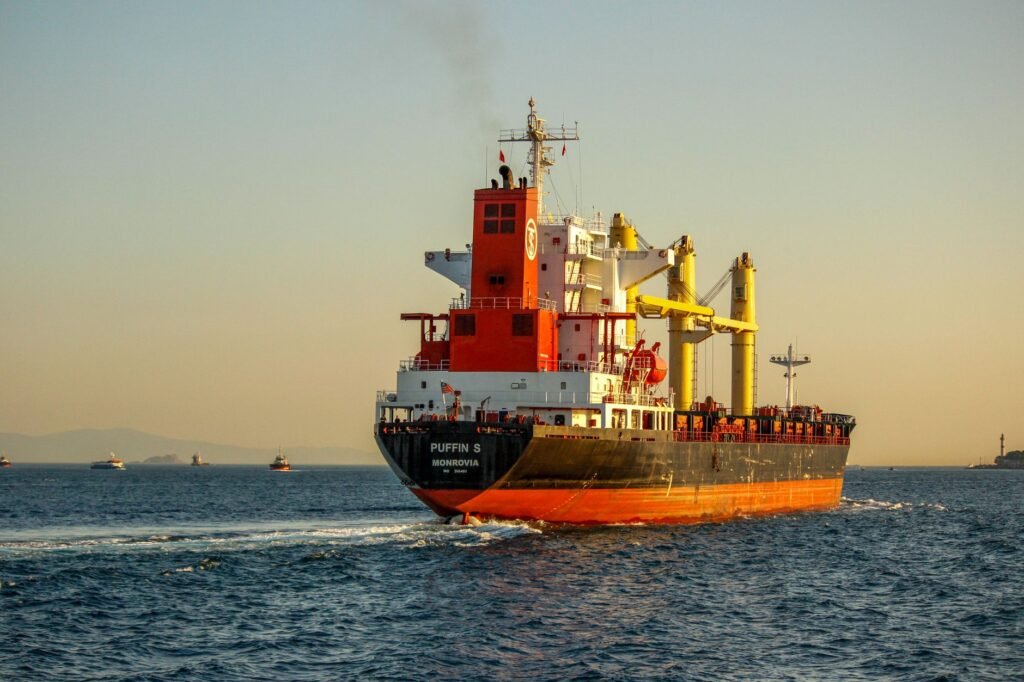
The United States has conducted strikes targeting Iran‘s capabilities to control the Strait of Hormuz, a critical chokepoint for global oil shipments. The precise nature and extent of these strikes remain unclear, but they signal a significant escalation in the ongoing tensions between the two nations.
Details emerging suggest the military action was aimed at degrading Iran’s capacity to disrupt maritime traffic in the vital waterway. This move comes amid a period of heightened friction, marked by diplomatic maneuvers and a series of assertive actions from both sides. Information reaching Tahir Rihat indicates that the strikes were carefully calibrated to send a strong message without triggering a full-scale conflict, though the risk of miscalculation remains a significant concern.
The Strait of Hormuz, a narrow channel between Iran and Oman, is one of the world’s most important oil transit points, with roughly one-fifth of global oil consumption passing through it. Any disruption to shipping in this region can have immediate and far-reaching consequences for global energy markets, potentially leading to price spikes and supply shortages. The U.S. has long maintained a naval presence in the Persian Gulf to ensure freedom of navigation through the strait.
This latest development follows a complex period of diplomatic engagement and military posturing. While the specifics of the U.S. strikes are not fully disclosed, they are understood to be a response to perceived threats and provocations from Iran. The administration has been vocal about its commitment to ensuring the unimpeded flow of commerce through international waters, particularly in regions vital to global economic stability. The strikes, therefore, can be interpreted as a proactive measure to deter future Iranian actions that could jeopardize this objective.
The international community is closely monitoring the situation, with many nations expressing concern over the potential for further escalation. The delicate balance of power in the Middle East is easily disrupted, and actions taken by major global players like the United States and Iran can have ripple effects across the region and beyond. The economic implications of any conflict or significant disruption in the Strait of Hormuz are particularly worrying, given the global reliance on oil transported through this maritime route.
The context for these strikes also includes the broader geopolitical landscape, particularly concerning Iran’s nuclear program and its regional influence. While the strikes are focused on maritime control capabilities, they occur within a wider framework of U.S. policy aimed at countering Iran’s activities in the Middle East. The effectiveness and long-term implications of such military actions are subjects of ongoing debate among foreign policy experts.
Sources within the defense establishment, speaking on condition of anonymity, suggested that the strikes were designed to be precise and targeted, aiming to degrade specific assets or operational capacities rather than cause widespread destruction. The objective, according to these sources, was to enhance deterrence and reduce the likelihood of Iran attempting to close the strait. The U.S. has previously warned Iran against any attempts to interfere with shipping in the Strait of Hormuz, citing international law and the vital economic interests at stake.
The response from Iran to these strikes is yet to be fully assessed, but it is expected to be closely watched. Tehran has, in the past, reacted strongly to perceived aggression, often through asymmetric means or by ratcheting up rhetoric. The coming days will be crucial in determining whether this action leads to a de-escalation of tensions or further inflame the already volatile situation in the Persian Gulf. The potential for retaliatory actions, whether military or economic, remains a significant concern for regional stability.
The strategic importance of the Strait of Hormuz cannot be overstated. It is a narrow waterway, only about 21 miles wide at its narrowest point, making it vulnerable to blockade or disruption. Control of this strait would grant significant leverage to any power in the region, and the U.S. has consistently worked to prevent any single entity from dominating it. The current U.S. administration has maintained a firm stance against Iran, building on policies of previous administrations that sought to curb Iran’s regional ambitions and nuclear capabilities.
Analysts are divided on the potential outcomes of this latest U.S. action. Some believe it will serve as a necessary deterrent, reinforcing the message that any attempt to disrupt global trade will be met with a firm response. Others express concern that such strikes could provoke a more aggressive stance from Iran, potentially leading to a dangerous cycle of escalation. The lack of transparency surrounding the specifics of the strikes makes it difficult to fully gauge their immediate impact and the likely reactions from all parties involved.
The ongoing diplomatic efforts, however strained, continue to be a critical element in managing the crisis. While military actions can send strong signals, sustained diplomatic engagement is often seen as the only viable path to long-term de-escalation and stability. The international community, including key allies of the United States, will likely be urging restraint and a return to dialogue to prevent further conflict in a region already fraught with challenges.


Tahir Rihat (also known as Tahir Bilal) is an independent journalist, activist, and digital media professional from the Chenab Valley of Jammu and Kashmir, India. He is best known for his work as the Online Editor at The Chenab Times.