


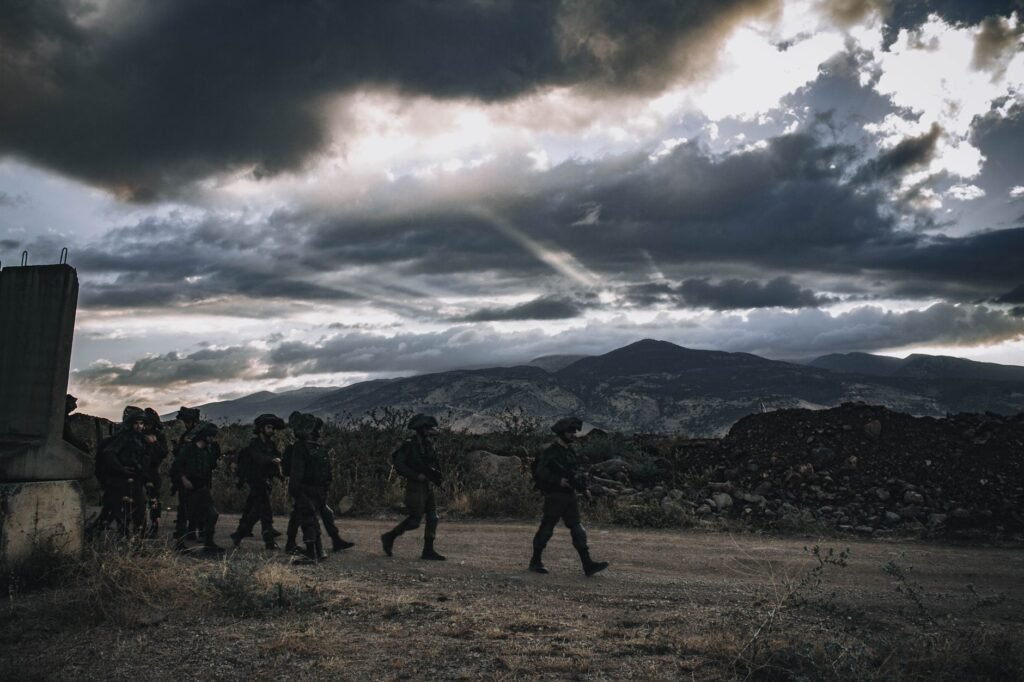
The conflict between Israel and Hezbollah continues unabated, a grim reality that has persisted despite numerous attempts to broker cease-fires. The ongoing hostilities underscore the deep-seated animosity and the complex geopolitical factors that fuel the protracted confrontation along the Lebanon-Israel border. Each reported lull in fighting has proven to be temporary, with renewed exchanges of fire quickly shattering any hopes of a lasting peace.
Information reaching Tahir Rihat suggests that the situation remains volatile, with both sides demonstrating a continued willingness to engage militarily. The cycle of escalation and de-escalation has become a defining characteristic of this enduring conflict, leaving residents on both sides of the border in a state of perpetual anxiety. The strategic implications of these persistent clashes are significant, impacting regional stability and raising concerns about wider implications for international security.
The resilience of the fighting, even after multiple cease-fire agreements, points to fundamental disagreements and a lack of trust between the warring parties. These agreements, often brokered by international actors, have historically failed to address the root causes of the conflict or provide a sustainable framework for peace. The inability to achieve a lasting cessation of hostilities highlights the challenges faced by diplomatic efforts in this highly charged region. The ongoing military engagements have also led to significant humanitarian consequences, with displacement and destruction becoming recurring themes for communities living in the border areas.
The strategic importance of the border region, coupled with the ideological underpinnings of the conflict, makes a swift resolution unlikely. Both Israel and Hezbollah possess considerable military capabilities, and their willingness to deploy them ensures that the conflict remains a persistent threat. The international community has largely been unable to impose a durable peace, often finding itself reacting to escalating tensions rather than proactively preventing them. The absence of a comprehensive political solution means that the current state of affairs is likely to continue, with periodic flare-ups becoming the norm.
The persistent nature of the fighting, even after several cease-fires, suggests a deeper strategic calculus at play for both Israel and Hezbollah. For Israel, the ongoing operations are likely aimed at degrading Hezbollah’s military capabilities and deterring future attacks. Hezbollah, on the other hand, appears committed to its stated objectives, which often involve confronting Israeli actions and asserting its influence in the region. The complex interplay of these strategic objectives makes any negotiated settlement exceedingly difficult to achieve.
The international community’s role in mediating these conflicts has been a mixed bag. While diplomatic efforts have led to temporary cessations of hostilities, they have not been sufficient to dismantle the underlying structures that perpetuate the violence. The lack of a unified international approach, or the inability to enforce agreed-upon terms, often leaves the region vulnerable to renewed conflict. The ongoing situation serves as a stark reminder of the persistent challenges in achieving lasting peace in the Middle East.
The economic and social toll of this protracted conflict is immense. Communities along the border have endured repeated cycles of destruction and displacement, hindering development and creating long-term humanitarian crises. The constant threat of violence disrupts daily life, affecting livelihoods and psychological well-being. The rebuilding efforts, when they occur, are often hampered by the ongoing insecurity, creating a vicious cycle that is difficult to break.
The strategic calculations of both sides are deeply intertwined with their domestic political considerations and regional alliances. Any assessment of the conflict must take into account these broader factors, which often complicate de-escalation efforts. The involvement of external actors, while sometimes aimed at facilitating peace, can also inadvertently exacerbate tensions if not managed carefully. The current situation underscores the need for sustained and comprehensive diplomatic engagement that addresses the underlying grievances and security concerns of all parties involved.
The repeated failure of cease-fire agreements to bring about lasting peace suggests that the current approach to conflict resolution may be insufficient. A more robust strategy that involves addressing the political, economic, and social dimensions of the conflict is likely necessary. Without such a comprehensive approach, the cycle of violence is poised to continue, with devastating consequences for the people living in the affected regions.


Tahir Rihat (also known as Tahir Bilal) is an independent journalist, activist, and digital media professional from the Chenab Valley of Jammu and Kashmir, India. He is best known for his work as the Online Editor at The Chenab Times.