


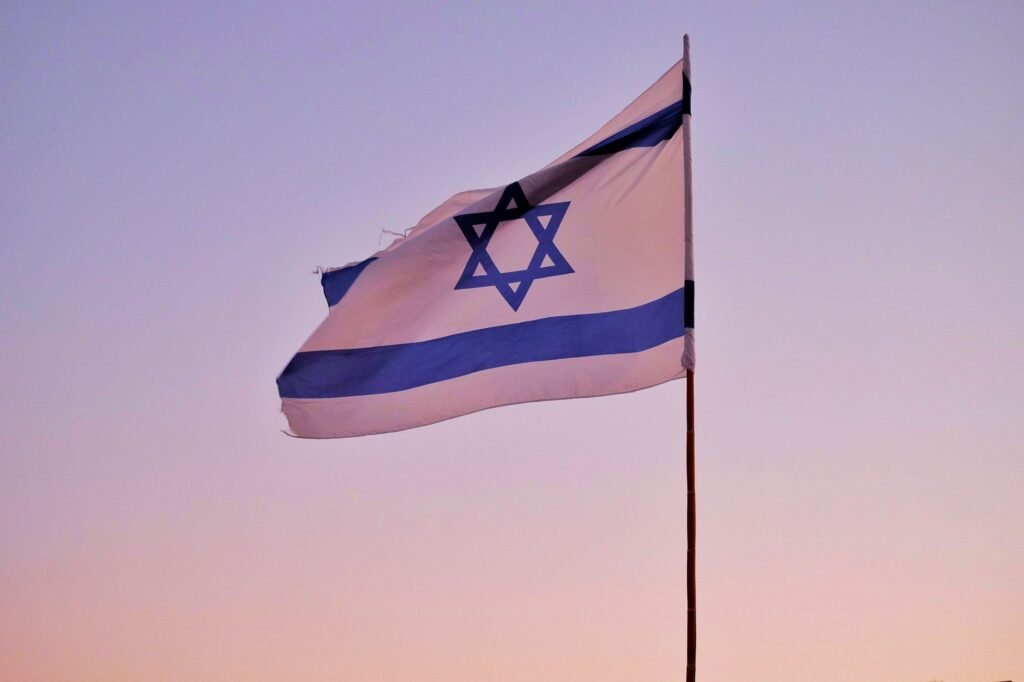
A palpable sense of discontent is rippling across Israel’s political landscape, with a broad spectrum of voices expressing significant reservations about the emerging contours of a potential nuclear deal between the United States and Iran. The core of this unease stems from a widely held perception that the proposed agreement, as it is currently understood, fails to adequately address the fundamental security threats posed by Tehran’s nuclear ambitions and its regional destabilization activities.
Information reaching Tahir Rihat suggests that Israeli officials and security analysts are particularly concerned that any accord might not sufficiently curb Iran’s ability to develop nuclear weapons in the long term, or that it might not dismantle critical aspects of its nuclear infrastructure. The perceived leniency in the deal’s provisions, according to these sources, could embolden Iran and leave Israel and its allies in the region more vulnerable to Iranian aggression. The ongoing concerns are not confined to a single political faction; rather, they represent a cross-party consensus that the current trajectory of negotiations could inadvertently pave the way for a nuclear-armed Iran, a scenario that Israeli leadership has consistently identified as an existential threat.
The Israeli government, under Prime Minister Benjamin Netanyahu, has been vocal in its opposition to what it views as a flawed agreement. Netanyahu has repeatedly stated that Israel will not be bound by any deal that does not ensure the complete dismantling of Iran’s nuclear program and prevent it from acquiring the capability to produce nuclear weapons. This stance is echoed by many in the opposition, who, while differing on other policy issues, share a common alarm regarding Iran’s nuclear trajectory and its support for proxy militant groups throughout the Middle East. The intelligence community in Israel is reportedly working overtime to assess the implications of the developing U.S.-Iran understanding, with a focus on how it might alter the regional balance of power and the security calculus for the Jewish state.
Beyond the immediate nuclear concerns, Israeli security strategists are also worried about the broader implications of a potential deal. Iran’s ballistic missile program, its support for groups like Hezbollah and Hamas, and its direct military presence in countries such as Syria are all seen as integral components of its threat profile, which many believe should be part of any comprehensive negotiation. The fear is that a deal focused solely on the nuclear issue might inadvertently legitimize or even strengthen Iran’s other destabilizing activities, providing it with greater resources and political capital to pursue its regional agenda. This perspective is shared by a significant portion of the Israeli public, who have lived for decades under the shadow of Iranian hostility and proxy warfare.
The United States, a key ally of Israel, has been engaged in indirect talks with Iran, mediated by European powers, to revive the 2015 Joint Comprehensive Plan of Action (JCPOA), which was abandoned by the Trump administration in 2018. While the Biden administration has expressed a desire to return to a diplomatic path, Israeli leaders have argued that the intervening years have only served to strengthen Iran’s nuclear capabilities and its regional influence. They point to Iran’s advancements in uranium enrichment and its development of more sophisticated centrifuges as evidence that the original deal’s sunset clauses and verification mechanisms are no longer sufficient to guarantee a peaceful resolution. The perceived lack of transparency and robust oversight in the current negotiation framework is a recurring theme in Israeli critiques.
The implications of a deal, or the lack thereof, extend beyond the immediate security environment. Economically, a lifting of sanctions on Iran could lead to a significant influx of capital for the Iranian regime, which could then be channeled into further military development and support for its proxies. This, in turn, could exacerbate existing conflicts and create new flashpoints in an already volatile region. For Israel, this translates into a heightened risk of escalation and a more challenging security landscape. The government has been actively engaged in diplomatic efforts to persuade Washington and other world powers to adopt a firmer stance against Iran, emphasizing the need for a deal that is more stringent and enduring.
The frustration in Israel is amplified by the perception that the international community, particularly the United States, may be prioritizing a return to a pre-2018 status quo over a fundamental reassessment of Iran’s long-term threat. While the U.S. has reiterated its commitment to Israel’s security, the divergent approaches to the Iran nuclear issue have created a significant rift in the bilateral relationship. Israeli intelligence assessments, often shared with their American counterparts, paint a grim picture of Iran’s intentions and capabilities, underscoring the urgency with which Israel views the need to prevent Tehran from acquiring nuclear weapons. The ongoing debate within Israel reflects a deep-seated anxiety about the future and a determination to safeguard the nation’s security interests, even if it means diverging from its closest allies on critical foreign policy matters.


Tahir Rihat (also known as Tahir Bilal) is an independent journalist, activist, and digital media professional from the Chenab Valley of Jammu and Kashmir, India. He is best known for his work as the Online Editor at The Chenab Times.