


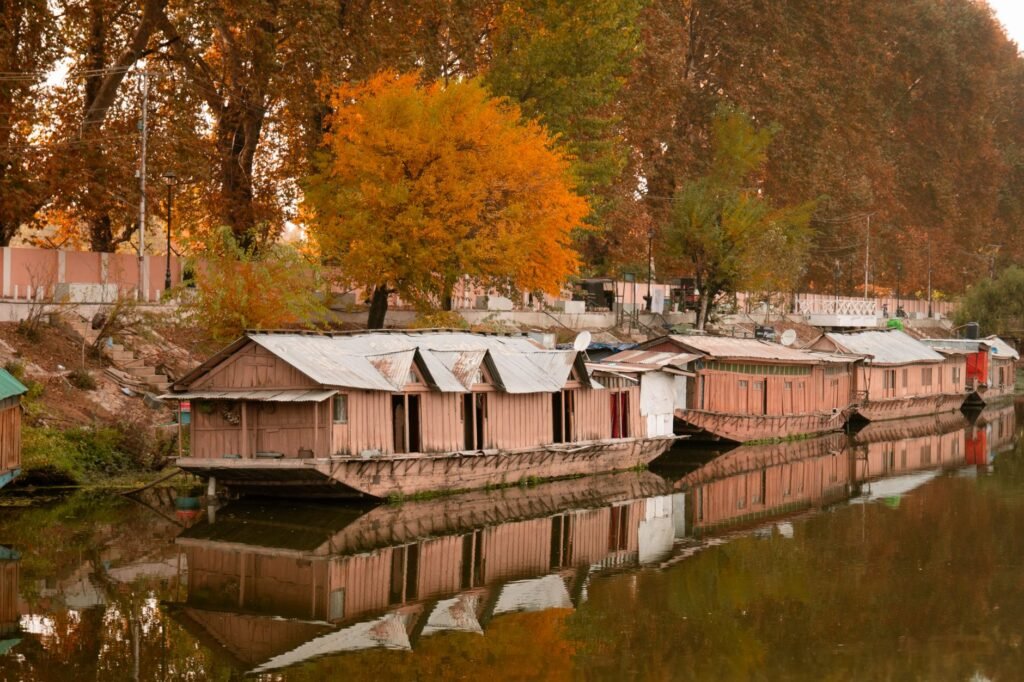
Jammu and Kashmir Minister for Jal Shakti, Forest, Ecology and Environment, and Tribal Affairs, Javed Ahmed Rana, has reaffirmed the administration’s steadfast commitment to safeguarding and revitalizing the cherished houseboat heritage of Kashmir. The minister articulated this pledge during a significant meeting held at the Civil Secretariat in Srinagar with representatives from the All Kashmir Houseboat Owners Association (AKHBOA). The gathering, also attended by MLA Zadibal Tanveer Sadiq, underscored the critical role houseboats play in the region’s cultural identity and its vibrant tourism sector.
Minister Rana emphasized that houseboats are not merely a mode of accommodation but a profound symbol of Kashmir’s unique cultural tapestry, contributing substantially to the valley’s economic vitality through tourism. He assured the assembled delegation that the government would undertake all necessary measures to protect the interests of the numerous families whose livelihoods are intrinsically linked to this heritage industry. Information reaching TahirRihat.com suggests that this commitment comes at a crucial juncture for the houseboat sector, which has faced various challenges in recent years.
The delegation, spearheaded by AKHBOA chairman Manzoor Ahmad Pakhtoon, presented a detailed account of the pressing issues confronting the houseboat industry. A primary concern highlighted was the consistent need for timber, essential for the ongoing repair, renovation, and meticulous maintenance of these historically significant floating structures. The representatives eloquently articulated that houseboats represent an irreplaceable heritage asset for Jammu and Kashmir, serving as a significant draw for tourists and, consequently, providing essential income for hundreds of local families. To address these maintenance needs effectively, they formally requested an increase in the existing timber quota and a streamlining of the procurement procedures, which they described as often cumbersome and time-consuming.
In response to the concerns articulated by the AKHBOA delegation, Minister Rana offered a sympathetic ear and provided assurances that their issues would be thoroughly examined. He indicated that appropriate actions would be taken wherever feasible to alleviate the challenges faced by the houseboat owners. The minister reiterated the government’s overarching objective: to preserve the region’s invaluable heritage assets while simultaneously ensuring the economic well-being and welfare of the communities that depend on these sectors. This dual focus, he explained, is paramount to sustainable development and cultural preservation in the valley.
The AKHBOA delegation expressed their sincere gratitude to Minister Rana for his receptive and positive response to their long-standing demands. They viewed the minister’s assurances as a significant step towards addressing the critical needs of the houseboat community and expressed optimism about the future of their heritage industry. The meeting concluded on a note of mutual understanding and a shared vision for the preservation and enhancement of Kashmir’s iconic houseboats.
In separate engagements on the same day, legislators Ranbir Singh Pathania and Mir Saifullah also met with Minister Rana. They used these opportunities to apprise the minister of various development initiatives and public welfare issues pertinent to their respective constituencies. Minister Rana assured these legislators, as he did the houseboat owners, that the matters brought to his attention would receive careful consideration and would be addressed in a structured and time-bound manner. This indicates a broader governmental focus on addressing diverse developmental and welfare concerns across different regions of Jammu and Kashmir.
The discussions surrounding the houseboat heritage highlight the delicate balance the Jammu and Kashmir government seeks to strike between economic development and cultural preservation. Houseboats, with their unique architecture and historical significance, are a cornerstone of the valley’s tourism appeal. Their upkeep requires not only financial resources but also access to essential materials like timber, which are subject to environmental regulations and resource management policies. The AKHBOA’s plea for an increased timber quota and simplified procurement process points to the practical challenges faced by heritage custodians in maintaining these structures. The government’s commitment, as expressed by Minister Rana, suggests an understanding of these challenges and a willingness to find solutions that support both the heritage and the livelihoods dependent on it. The involvement of local legislators in these discussions further underscores the political will to address these issues at various levels of governance, ensuring that the concerns of the community are heard and acted upon. The minister’s assurance of a sympathetic examination and feasible steps reflects a pragmatic approach to policy implementation, acknowledging the need for tailored solutions that respect the unique context of the houseboat industry. This proactive engagement by the government aims to ensure that this vital pillar of Kashmir’s tourism economy continues to thrive, preserving its cultural legacy for future generations. The positive reception from the houseboat owners indicates a potential for constructive collaboration between the government and the industry stakeholders, a crucial element for the successful implementation of any preservation or development initiatives. The broader engagement with other legislators on development and welfare issues further illustrates a comprehensive approach to governance, addressing a wide spectrum of public concerns across the Union Territory.


Tahir Rihat (also known as Tahir Bilal) is an independent journalist, activist, and digital media professional from the Chenab Valley of Jammu and Kashmir, India. He is best known for his work as the Online Editor at The Chenab Times.