


The pursuit of certainty, a deeply ingrained human inclination, can often act as a barrier, preventing us from embracing the full spectrum of possibilities that lie before us. This tendency to define and categorize with unwavering conviction can inadvertently close doors to novel perspectives and unforeseen outcomes.
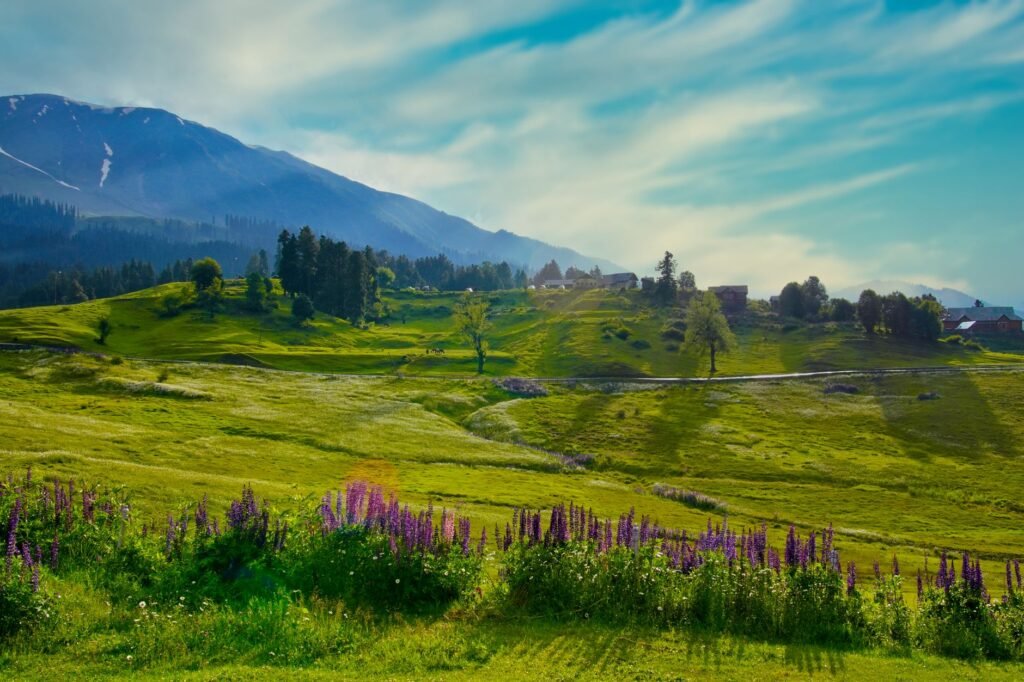
In the context of Jammu and Kashmir‘s rich natural heritage, this dynamic plays out in fascinating ways. The region, renowned for its breathtaking landscapes and unique biodiversity, presents a compelling case study in the interplay between human desire for understanding and the inherent complexities of the natural world. As information reaching Tahir Rihat suggests, the delicate balance between preserving these natural wonders and allowing for scientific inquiry and public appreciation is a constant negotiation.
The region’s commitment to safeguarding its environment is evident in various initiatives, yet the very act of observation and study, while crucial for conservation, can also introduce human influence. The desire to understand the intricate workings of ecosystems, such as the behavior and habitat of the black-necked crane, a species that has drawn significant attention, requires a degree of interaction that must be carefully managed. The proposed Black-Necked Crane Festival, aimed at drawing global attention to Ladakh’s unique avian population, exemplifies this duality. While such events can foster crucial awareness and support for conservation efforts, they also bring increased human presence to sensitive areas.
The challenges extend beyond ecological preservation to encompass the broader human experience within these environments. The recent deployment of 45 mountain rescue teams for the Amarnath Yatra underscores the critical need for robust security and support infrastructure in challenging terrains. This logistical undertaking, while essential for the safety of pilgrims, also highlights the human footprint on these otherwise pristine landscapes. The meticulous planning and execution required for such large-scale events are a testament to the organizational capabilities within the region, but they also represent a significant intervention in the natural order.
Furthermore, the narrative of J&K’s natural allure is not confined to its grand vistas. It extends to the intricate crafts and traditions that have been nurtured over generations, often drawing inspiration from the surrounding environment. The story of a 91-year-old Venezuelan weaver, who masterfully blends indigenous and Spanish craftsmanship, though geographically distant, resonates with the broader theme of cultural heritage intertwined with natural resources. Such traditions, passed down through families, often embody a deep understanding and respect for the materials and patterns found in nature, a form of knowledge that complements scientific observation.
The global discourse on environmental stewardship, as seen in discussions surrounding artificial reefs offering hope for damaged coral ecosystems, provides a parallel to the efforts being undertaken in J&K. The scientific endeavor to understand and mitigate environmental damage, whether in marine or terrestrial settings, is driven by a similar impulse to find solutions and ensure the longevity of natural systems. This pursuit of knowledge, however, must be tempered with an awareness of the potential for unintended consequences. The very tools and techniques used for scientific study, if not applied with utmost care, can alter the very phenomena they seek to understand.
The allure of J&K’s natural beauty is undeniable, drawing visitors and researchers alike. This influx, while economically beneficial and fostering a global appreciation for the region, necessitates a thoughtful approach to tourism and scientific exploration. The principle of natural selection, in its broadest sense, suggests that environments adapt and evolve. However, in the face of accelerating human impact, the role of conscious intervention, guided by both scientific understanding and ethical considerations, becomes paramount. The challenge lies in fostering an environment where human curiosity and the need for conservation can coexist, allowing for both discovery and preservation without compromising the integrity of the natural world.
The ongoing efforts to document and protect the unique flora and fauna of Jammu and Kashmir are a continuous process, demanding adaptability and a willingness to learn from both successes and setbacks. The inherent beauty of the region serves as a constant reminder of the intricate web of life and the responsibility that comes with its stewardship. The preference for certitude, while understandable, must be balanced with an openness to the emergent and the unknown, allowing for a more nuanced and effective approach to conservation and appreciation of the natural world.


Tahir Rihat (also known as Tahir Bilal) is an independent journalist, activist, and digital media professional from the Chenab Valley of Jammu and Kashmir, India. He is best known for his work as the Online Editor at The Chenab Times.