


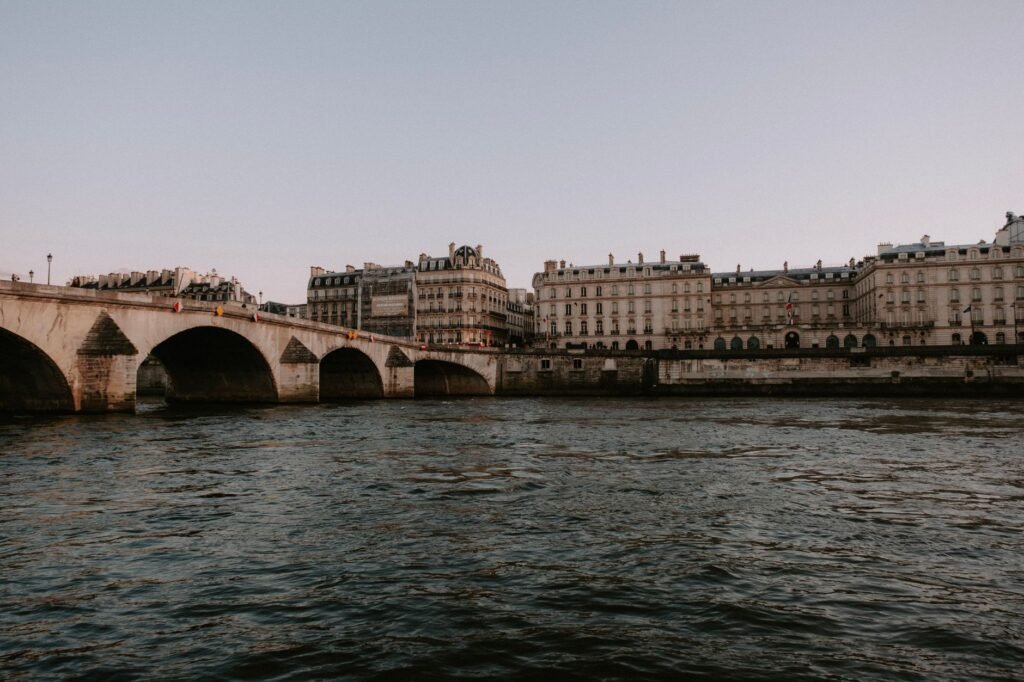
Four decades after the conceptual artist Christo famously wrapped the Pont Neuf in fabric, the iconic Parisian bridge is once again the subject of a striking artistic intervention. This time, it is the French street artist JR who has employed a masterful trick of the eye, transforming the historic structure into a new visual spectacle. JR, known for his large-scale photographic installations that often interact with public spaces and communities, has presented his latest work, drawing considerable attention to the enduring power of art to reshape our perception of familiar landmarks.
Information reaching Tahir Rihat suggests that JR’s project, much like Christo’s earlier undertaking, aims to create a temporary, yet profound, alteration of the viewer’s experience. While Christo’s work involved a physical draping of the bridge, JR’s approach appears to leverage illusion and perspective, inviting a deeper engagement with the bridge’s architecture and its surroundings. The specifics of the illusion, as detailed in reports from The New York Times, involve a photographic element that, when viewed from a particular vantage point, creates a dramatic and unexpected transformation of the Pont Neuf.
The Pont Neuf, meaning “New Bridge,” is Paris’s oldest standing bridge across the Seine River, completed in the early 17th century. Its historical significance and prominent location have made it a canvas for artistic expression throughout history. Christo and Jeanne-Claude’s 1985 wrapping of the bridge was a monumental event, covering 2,870 tons of polyamide fabric and taking 17 days to install. It was a testament to their ambition and their ability to engage the public with art on an unprecedented scale. JR’s contemporary interpretation, while different in its execution, echoes this spirit of re-imagining public space and challenging conventional aesthetics.
JR’s artistic practice often involves pasting large-format photographs in public locations, from favelas in Brazil to the border wall between the United States and Mexico. His work frequently highlights social issues and human stories, bringing them to a wider audience. In the context of the Pont Neuf, his intervention shifts the focus to the artwork itself and its relationship with the urban fabric of Paris. The illusion he conjures is not merely a visual gag but an invitation to reconsider the very nature of the bridge and its place within the city’s narrative.
The contemporary art world has long recognized JR’s unique ability to blend street art aesthetics with large-scale, ambitious projects. His work often provokes dialogue about art’s role in society, its accessibility, and its potential to foster connection. The Pont Neuf project, situated in the heart of Paris, is no exception. It taps into the city’s rich artistic heritage while simultaneously injecting a modern, dynamic sensibility. The success of such projects often lies not only in their visual impact but also in their ability to generate conversation and encourage people to look at their environment with fresh eyes.
The artistic legacy of Christo on the Pont Neuf provides a compelling backdrop for JR’s current endeavor. Christo’s work was characterized by its ephemeral nature, its monumental scale, and the meticulous planning required for its realization. The wrapping of the Pont Neuf was a complex logistical and artistic feat that captivated the world. JR, while operating within a different artistic paradigm, shares a similar ambition to create impactful, temporary installations that leave a lasting impression on both the physical landscape and the collective memory. The contrast between Christo’s tangible, fabric-based transformation and JR’s illusionistic photographic approach offers a fascinating study in artistic evolution and the diverse ways in which artists can engage with iconic structures.
The choice of the Pont Neuf as a site for JR’s latest project is significant. As one of Paris’s most recognizable and frequented bridges, it offers a vast and visible platform for his art. The interaction between JR’s photographic illusion and the stone and metal of the bridge creates a layered experience for passersby. The artwork, therefore, becomes a dynamic element within the daily life of the city, a temporary disruption that prompts reflection and wonder. The success of such public art often hinges on its ability to be both accessible to the general public and artistically significant, a balance that JR has consistently struck throughout his career.
The implications of JR’s work extend beyond the aesthetic. By altering the perception of a well-known landmark, he encourages a re-evaluation of the familiar. This artistic intervention serves as a reminder that even the most established structures can be viewed anew, their inherent qualities amplified or transformed through creative interpretation. The dialogue between JR’s contemporary vision and the historical context of the Pont Neuf, as well as its previous artistic adornment by Christo, enriches the understanding of how art can engage with and redefine public space across different eras and artistic movements.
The ephemeral nature of JR’s installations, while perhaps less physically imposing than Christo’s fabric draping, carries its own weight. These temporary interventions highlight the fleeting moments of beauty and surprise that art can bring into our lives. They encourage us to be present and to appreciate the unique experiences that are offered before they disappear. The illusion conjured by JR on the Pont Neuf is a testament to his skill in creating such memorable, albeit temporary, encounters with art in the urban environment.
The artistic dialogue between generations of artists engaging with the same iconic structures is a recurring theme in the art world. JR’s project on the Pont Neuf, following in the footsteps of Christo’s monumental undertaking, offers a contemporary perspective on how artists can interact with history and public space. It underscores the enduring appeal of the Pont Neuf as a site for artistic exploration and reinforces JR’s position as a leading figure in contemporary public art, capable of transforming the ordinary into the extraordinary through his innovative vision.


Tahir Rihat (also known as Tahir Bilal) is an independent journalist, activist, and digital media professional from the Chenab Valley of Jammu and Kashmir, India. He is best known for his work as the Online Editor at The Chenab Times.