


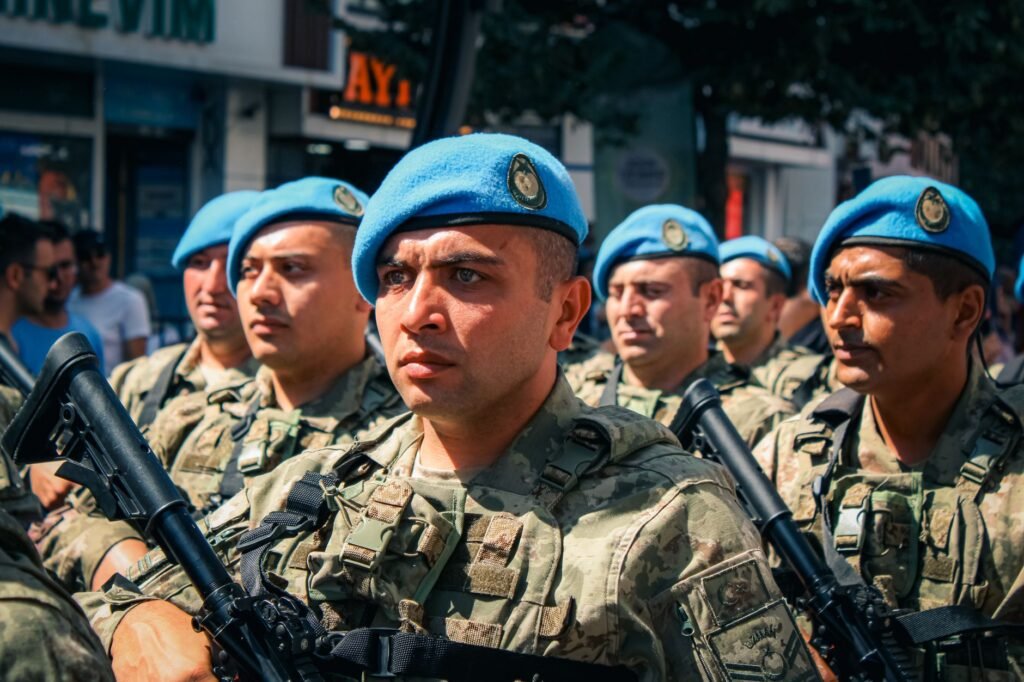
A recent confrontation between Jammu and Kashmir Police and Army personnel at a police station in Kishtwar has ignited significant concerns regarding the coordination and efficacy of anti-terror operations in the region. The incident, where police allege Army personnel forcibly entered a station and assaulted officers, has cast a shadow over the typically collaborative efforts between security forces engaged in combating militancy in the Union Territory.
The Jammu and Kashmir Police, the Indian Army, and the Central Reserve Police Force (CRPF) routinely engage in joint operations, particularly in the challenging terrain of the region’s dense forests, to neutralize terrorist elements. A crucial component of these operations is the seamless sharing of intelligence between the police and the Army, a practice that has yielded significant successes, including the elimination of four terrorists in the Chhatru forest area of Kishtwar earlier this year. As per information available with TahirRihat.com, the current situation has prompted a review of inter-agency protocols.
While the precise sequence of events leading to the Kishtwar incident is currently under investigation, former Director General of Police (DGP) Shesh Paul Vaid has voiced his apprehension, stating that such occurrences can have a detrimental impact on the joint operational framework. Speaking to The Tribune, Vaid described the incident as unfortunate and emphasized that senior officials from both the police and the Army should have prioritized dialogue to de-escalate the situation rather than allowing it to escalate. He recalled instances during his tenure when similar issues arose but were resolved through discussions, underscoring the importance of avoiding such episodes that could undermine the crucial coordination between the police and the Army in their shared mission against terrorism in Jammu and Kashmir.
Senior officials from both the Army and the police regularly convene joint coordination meetings to assess and enhance the operational preparedness of their respective forces. The genesis of the Kishtwar incident reportedly lies in an altercation between the driver of a private vehicle associated with the Army and the driver of the convoy belonging to Kishtwar Deputy Commissioner Pankaj Sharma, who was en route to an official function. The private Army-associated vehicle was subsequently impounded and taken to the Atholi police station.
According to the First Information Report (FIR) registered by the police, approximately 40 Army personnel, reportedly led by Major Vikas Sharma and Naib Subedar Shanker Gurkhe of the 17 Rashtriya Rifles (RR), entered the Atholi police station. The FIR details allegations of assault against police personnel by these Army individuals. In response to the police action, the Army personnel have been booked. Officials have confirmed that a joint inquiry has been initiated to thoroughly investigate the incident, and appropriate action will be taken based on the findings of this inquiry.
A senior Army officer, who requested anonymity, acknowledged the indispensable role played by the Jammu and Kashmir Police in the success of joint anti-terror operations, especially in the remote and mountainous areas of the Jammu region. The officer highlighted that the intelligence network cultivated by local police personnel has been instrumental in generating crucial leads regarding the presence of terrorists concealed in forest areas in recent years. These intelligence inputs, the officer stated, are vital for planning and executing operations against heavily armed militants, underscoring the symbiotic relationship between the two forces in maintaining security.
The incident has brought to the fore the delicate balance required in maintaining inter-agency harmony while pursuing a common objective. The effectiveness of counter-terrorism strategies in Jammu and Kashmir hinges on robust intelligence sharing, seamless operational coordination, and mutual respect between the various security agencies involved. Any friction or breakdown in communication can create vulnerabilities that adversaries might exploit. The ongoing investigation into the Kishtwar clash is expected to shed light on the specific circumstances and identify any lapses in protocol or communication that may have contributed to the unfortunate confrontation. The outcome of this inquiry will be crucial in reinforcing the collaborative spirit and ensuring that such incidents do not recur, thereby safeguarding the integrity of the anti-terror apparatus in the region.
The implications of this clash extend beyond the immediate operational concerns. It raises questions about the existing mechanisms for conflict resolution between different security forces and the need for continuous reinforcement of inter-service cooperation. The shared commitment to peace and security in Jammu and Kashmir necessitates a unified front, where differences are resolved through established channels and without compromising the operational readiness or the morale of personnel on the ground. The emphasis on dialogue and mutual understanding, as advocated by former DGP Vaid, remains paramount in navigating the complexities of counter-insurgency operations.
The intelligence gathered by local police, often through deep-rooted connections within communities, is a critical asset that complements the tactical capabilities of the Army. This synergy has been a cornerstone of the counter-terrorism strategy, enabling security forces to anticipate and thwart attacks effectively. The incident in Kishtwar, therefore, serves as a stark reminder of the importance of preserving and strengthening this vital inter-agency relationship. The successful elimination of terrorists in joint operations is a testament to what can be achieved when different branches of the security establishment work in unison, sharing resources, intelligence, and operational responsibilities.
The commitment of both the police and the Army to eradicating terrorism in Jammu and Kashmir is unwavering. However, the effectiveness of their efforts is intrinsically linked to their ability to function as a cohesive unit. The investigation into the Kishtwar incident is not merely about assigning blame but about understanding the dynamics that led to the confrontation and implementing measures to prevent future occurrences. The focus must remain on strengthening the bonds of trust and cooperation, ensuring that the operational tempo against terrorists is maintained without any impediment. The security landscape of Jammu and Kashmir demands a united and coordinated response, and any disruption to this unity can have far-reaching consequences for the ongoing efforts to restore lasting peace and stability.


Tahir Rihat (also known as Tahir Bilal) is an independent journalist, activist, and digital media professional from the Chenab Valley of Jammu and Kashmir, India. He is best known for his work as the Online Editor at The Chenab Times.