


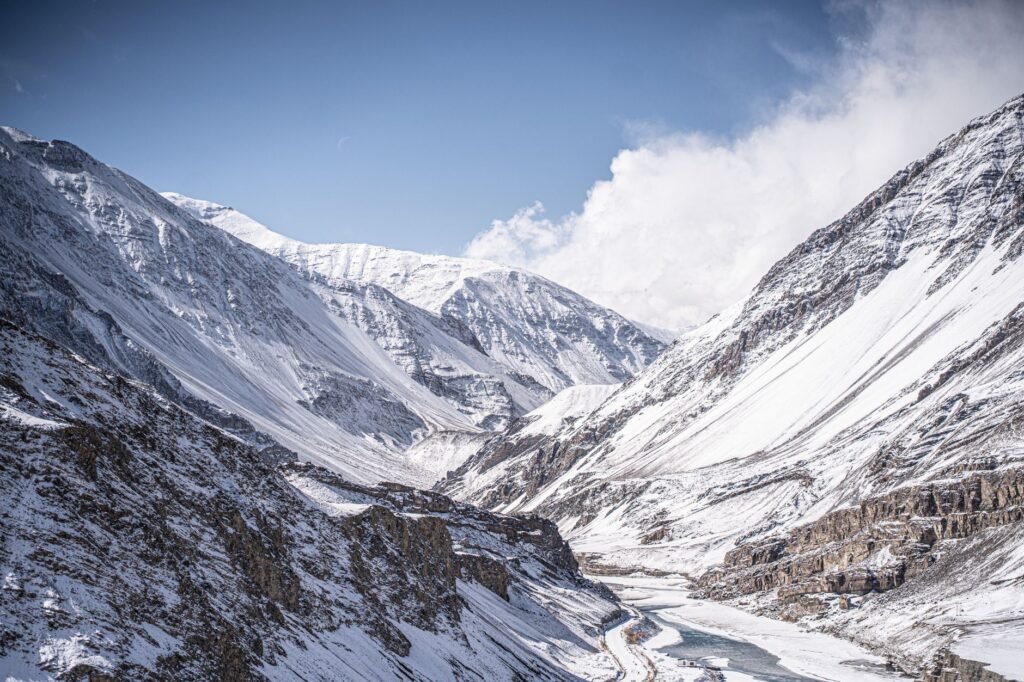
In a significant move aimed at safeguarding its unique alpine biodiversity, the Union Territory of Ladakh has established its first-ever conservation society dedicated to the snow leopard and high-altitude nature. Lieutenant Governor Vinai Kumar Saxena has officially approved the constitution of the “Snow Leopard and High-Altitude Nature” (SHAN) Conservation Society. This initiative marks a pivotal step in creating a structured institutional framework for wildlife protection and ecological management within the region.
The newly formed SHAN Conservation Society is envisioned as a dedicated mechanism to drive wildlife conservation efforts, implement scientific biodiversity management strategies, and foster community-led environmental stewardship across Ladakh. Information reaching TahirRihat.com suggests that the society will play a crucial role in promoting, supporting, and mobilizing resources essential for the protection of wildlife and their habitats. A key focus will be on eco-development projects in areas frequented by snow leopards and other associated species, alongside the promotion of eco-tourism and the development of sustainable livelihood opportunities for local communities.
Officials have underscored that since assuming leadership in Ladakh, Lieutenant Governor Saxena has consistently prioritized environmental protection and ecological resilience as central tenets of governance. The establishment of the SHAN Conservation Society is presented as another substantial achievement in this broader environmental agenda, stemming directly from the Lieutenant Governor’s persistent endeavors and personal involvement in forging a robust institutional structure for biodiversity conservation in Ladakh. This society is designed as a multi-stakeholder platform, intended to foster the conservation of Ladakh’s distinctive alpine flora and fauna, its vital wetlands, and its fragile cold desert ecosystems. Its operational mandate includes facilitating scientific monitoring and research, enhancing biodiversity management practices, effectively mitigating human-wildlife conflict, championing community-driven conservation initiatives, and providing support for sustainable eco-tourism and economic development.
Lieutenant Governor Saxena articulated the significance of this initiative, stating, “Environmental protection has been one of our foremost priorities in Ladakh, where fragile mountain ecosystems require a development model that places conservation at its core. The snow leopard is not merely a wildlife species but an integral part of Ladakh’s ecological identity and natural heritage. The SHAN Conservation Society represents an important institutional initiative to promote science-based and community-driven conservation while ensuring ecological preservation and sustainable livelihoods progress together.” This sentiment highlights the dual objective of ecological preservation and socio-economic development, recognizing the intrinsic link between the two in the unique Ladakhi context.
The establishment of the SHAN Conservation Society gains particular importance in the context of conserving the snow leopard, which is designated as the State Animal of Ladakh. This elusive big cat, often referred to as the “Ghost of the Mountains,” is recognized globally as one of the most endangered feline species. Its role as a keystone animal means that its presence is a critical indicator of the overall health of the Trans-Himalayan ecosystem. Consequently, efforts to conserve the snow leopard are intrinsically tied to the broader protection of mountain habitats, the preservation of its prey species, the safeguarding of watersheds, and the maintenance of the biodiversity that underpins life in this high-altitude region. Furthermore, the snow leopard has emerged as a potent global symbol of Ladakh’s rich natural heritage, presenting substantial potential for the advancement of responsible eco-tourism and community-based conservation efforts, thereby creating a virtuous cycle of conservation and economic benefit.
The strategic importance of this conservation society extends beyond the snow leopard itself. Ladakh’s fragile mountain ecosystems are particularly vulnerable to the impacts of climate change and increasing human activity. The SHAN Conservation Society aims to address these challenges by promoting a development paradigm that is intrinsically linked to conservation. By bringing together various stakeholders, including government agencies, local communities, researchers, and conservation organizations, the society is poised to create a collaborative and integrated approach to environmental management. This holistic strategy is essential for the long-term sustainability of Ladakh’s unique natural environment and its invaluable biodiversity.
The society’s mandate to facilitate scientific monitoring and research will provide crucial data for informed decision-making. Understanding the population dynamics of the snow leopard, its habitat requirements, and the threats it faces is vital for designing effective conservation interventions. Similarly, research into other high-altitude species and ecosystems will contribute to a comprehensive understanding of Ladakh’s natural wealth. This scientific foundation will underpin all conservation activities undertaken by the society, ensuring that they are evidence-based and impactful. The emphasis on mitigating human-wildlife conflict is also a critical component, as increased human presence and activity can lead to increased interactions, sometimes resulting in negative outcomes for both wildlife and local communities. By developing strategies to reduce such conflicts, the society aims to foster a more harmonious coexistence between humans and wildlife.
Moreover, the promotion of community-led conservation initiatives acknowledges the indispensable role of local populations in the success of any conservation program. Indigenous communities in Ladakh possess traditional knowledge and a deep connection to their environment, making them natural stewards of its natural resources. Empowering these communities through education, capacity building, and by providing alternative livelihood opportunities that are compatible with conservation goals is a cornerstone of the SHAN Conservation Society’s strategy. This approach ensures that conservation efforts are not only effective but also socially equitable and sustainable in the long run, fostering a sense of ownership and responsibility among the people of Ladakh for their natural heritage.
The potential for eco-tourism, as highlighted by the Lieutenant Governor, offers a promising avenue for economic development that aligns with conservation objectives. Responsible eco-tourism can generate revenue that can be reinvested in conservation efforts and provide sustainable livelihoods for local communities, reducing their dependence on activities that might be detrimental to the environment. By developing well-managed eco-tourism products and promoting sustainable practices, Ladakh can leverage its natural beauty and wildlife to attract visitors who are interested in experiencing and supporting conservation. This symbiotic relationship between tourism and conservation is crucial for the economic viability of conservation initiatives in remote and ecologically sensitive regions like Ladakh.
The establishment of the SHAN Conservation Society represents a forward-thinking approach to environmental governance in a region that is at the forefront of climate change impacts. By creating a dedicated institutional body with a clear mandate and a multi-stakeholder framework, Ladakh is positioning itself as a leader in high-altitude conservation. The success of this society will not only benefit the snow leopard and other wildlife but will also contribute to the overall ecological health and sustainable development of the Union Territory, setting a precedent for other regions facing similar environmental challenges.


Tahir Rihat (also known as Tahir Bilal) is an independent journalist, activist, and digital media professional from the Chenab Valley of Jammu and Kashmir, India. He is best known for his work as the Online Editor at The Chenab Times.