


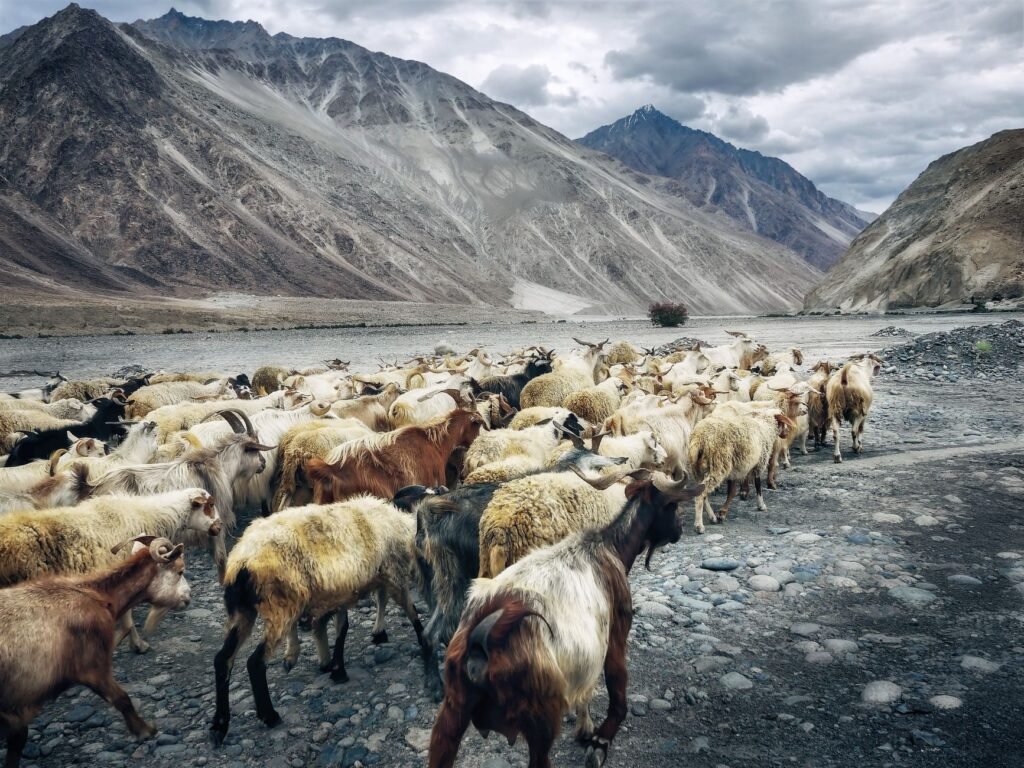
The Union Territory of Ladakh is set to significantly bolster its iconic Pashmina industry with the establishment of the Ladakh Pashmina Development Board (LPDB). Lieutenant Governor Vinai Kumar Saxena has officially approved the formation of this dedicated body, marking a pivotal moment in the region’s efforts to promote its world-renowned natural fiber in international markets. This initiative aims to comprehensively transform the entire Pashmina value chain, from raw material sourcing to finished product marketing, while simultaneously uplifting the livelihoods of the pastoral communities who are the backbone of this sector.
Information reaching TahirRihat.com suggests that the LPDB is envisioned as a crucial institutional mechanism designed to strengthen the Pashmina sector holistically. Ladakh is home to an estimated two lakh Pashmina goats, and the board’s objectives include not only increasing the population of these animals but also enhancing the income of the pastoral communities. Furthermore, the board is expected to stimulate employment opportunities within Ladakh’s textile and handicrafts sectors, foster value addition within the Union Territory, and crucially, reduce the region’s reliance on intermediaries who often diminish the profits for local producers. This move is being hailed as a significant milestone in creating a robust and sustainable ecosystem for what is widely regarded as one of the finest and most luxurious natural fibers globally.
Lieutenant Governor Vinai Kumar Saxena articulated the profound significance of this development, stating, “Ladakh Pashmina is not merely a fibre; it is an enduring symbol of Ladakh’s cultural heritage, pastoral traditions and resilience. The constitution of the Ladakh Pashmina Development Board is a historic step towards ensuring that our nomadic communities receive the benefits they rightfully deserve and that Ladakh emerges as the global hub of authentic and premium Pashmina products.” This statement underscores the board’s dual mandate: economic empowerment of the local populace and the elevation of Ladakh Pashmina’s global standing.
The newly constituted board has been tasked with a broad spectrum of responsibilities, including guiding, supervising, and augmenting resources for the comprehensive development of the Pashmina sector. A primary focus will be on transforming raw Ladakhi Pashmina into a premium, high-value product. This involves improving market returns for producers and maximizing benefits for all stakeholders, with a particular emphasis on the nomadic Changpa herders. These herders, who inhabit some of the most challenging climatic conditions on Earth, are the primary producers of the raw Pashmina fiber and stand to gain the most from a more equitable and efficient value chain.
The operational structure of the LPDB comprises two principal wings. The Governing Body, which will be chaired by the Lieutenant Governor himself, is responsible for providing strategic direction, approving long-term policies, and sanctioning infrastructure projects. This body will also play a crucial role in facilitating coordination among various government departments, financial institutions, and industry stakeholders. Its purview will extend to overseeing branding, certification processes, export promotion strategies, and sustainability initiatives, ensuring a cohesive and integrated approach to the sector’s growth. Complementing the Governing Body is the Executive Committee, headed by the Chief Secretary of Ladakh, which will manage the day-to-day operations and implementation of the board’s strategies.
As part of its comprehensive programme framework, the LPDB will spearhead the Ladakh Pashmina Mission. This mission will concentrate on enhancing the productivity and genetic quality of the native Changthangi goats, the source of the prized Pashmina wool. Efforts will also be directed towards strengthening high-altitude rangelands through climate-resilient measures, thereby ensuring the long-term sustainability of grazing resources. A key component of the mission involves establishing local processing infrastructure, which will enable value addition within Ladakh and reduce the need to export raw materials. Furthermore, the board will focus on promoting artisan clusters, fostering traditional craftsmanship, and ensuring that the benefits of this enhanced value chain reach the artisans directly. The initiative also includes plans to position Ladakh Pashmina as a premium luxury fiber through the implementation of robust certification systems, the development of digital traceability mechanisms to guarantee authenticity, and active participation in international trade fairs to showcase the unique qualities of Ladakhi Pashmina to a global audience.
The establishment of the Ladakh Pashmina Development Board signifies a strategic and integrated approach to nurturing a vital sector of the Union Territory’s economy and cultural heritage. By focusing on the entire value chain, empowering local communities, and enhancing global market access, the LPDB aims to secure a prosperous and sustainable future for Ladakh Pashmina, solidifying its position as a symbol of luxury and quality on the world stage.


Tahir Rihat (also known as Tahir Bilal) is an independent journalist, activist, and digital media professional from the Chenab Valley of Jammu and Kashmir, India. He is best known for his work as the Online Editor at The Chenab Times.