


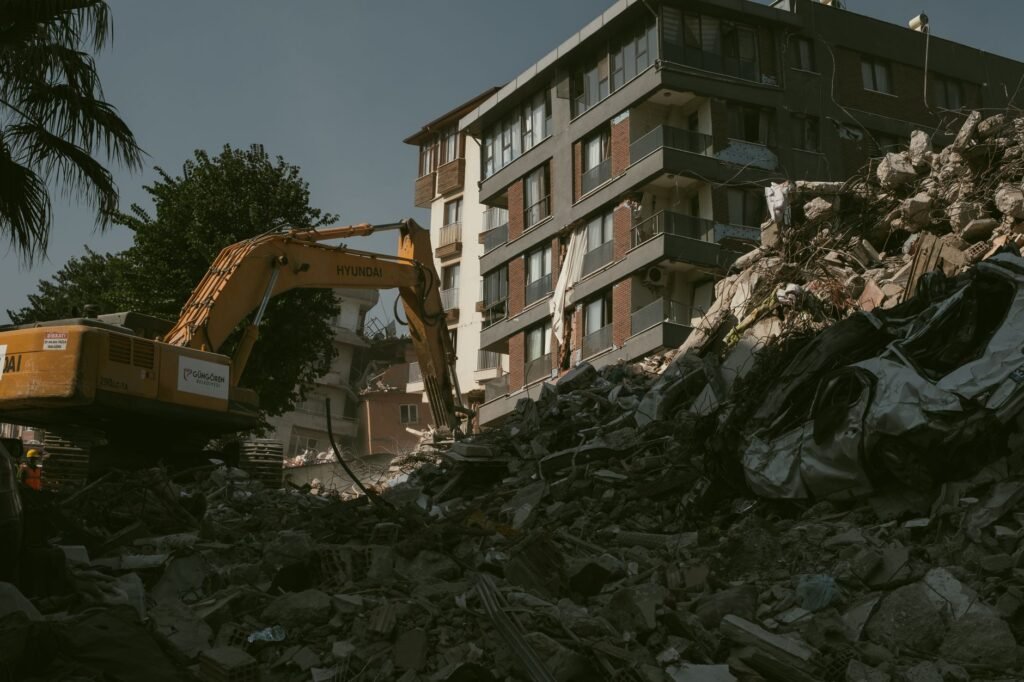
A powerful earthquake, registering a magnitude of 7.1, struck Venezuela on Tuesday, causing significant tremors that were felt across the nation. Residents in the capital city of Caracas reported that the seismic event shook buildings violently and led to widespread electricity outages. Images emerging from the affected areas depicted damaged structures and scenes of people gathering in the streets, seeking safety and assessing the aftermath of the powerful quake.
The tremors, which originated at a depth that contributed to their widespread impact, sent shockwaves through densely populated urban centers. In Caracas, the capital, the shaking was intense enough to rattle high-rise buildings, causing alarm among the populace. The immediate aftermath saw a significant disruption to essential services, most notably the widespread loss of electrical power, plunging many areas into darkness and complicating rescue and assessment efforts.
Information reaching Tahir Rihat suggests that the earthquake’s intensity has raised concerns about the structural integrity of buildings, particularly in older or less robustly constructed areas. The visual evidence of damaged buildings underscores the destructive potential of such a significant seismic event. People were observed congregating in open spaces, a common reaction following earthquakes as individuals seek to ensure their safety away from potentially unstable structures.
The full extent of the damage and any potential casualties are still being assessed as emergency services begin to mobilize and respond to the situation. The magnitude of the earthquake indicates a substantial release of energy along a fault line, and its effects are likely to be felt beyond the immediate epicenter. The disruption to power grids not only affects daily life but also hampers communication networks, making it more challenging to gather comprehensive information from affected regions.
Seismologists will be closely examining the data from this event to understand the geological processes at play and to provide further insights into the seismic activity in the region. Earthquakes of this magnitude can have long-lasting implications, including potential aftershocks, and necessitate a coordinated response from national and international agencies to provide aid and support to those impacted. The immediate focus will be on ensuring the safety of residents, providing essential services, and beginning the process of damage assessment and recovery.
The shaking was described by residents as prolonged and severe, leading to a sense of panic in many areas. The loss of electricity in Caracas and surrounding regions has compounded the challenges faced by the population, affecting everything from communication to basic household needs. The images of damaged buildings serve as a stark reminder of the vulnerability of urban infrastructure to seismic forces. The coming hours and days will be critical in understanding the full scope of the disaster and in coordinating relief efforts.
The Venezuelan government is expected to provide updates on the situation as more information becomes available. International aid organizations are likely to monitor the developments closely, ready to offer assistance if requested. The resilience of communities in the face of such natural disasters will be tested as they begin the process of recovery and rebuilding. The immediate priority remains the well-being of the affected population and the restoration of essential services.


Tahir Rihat (also known as Tahir Bilal) is an independent journalist, activist, and digital media professional from the Chenab Valley of Jammu and Kashmir, India. He is best known for his work as the Online Editor at The Chenab Times.