


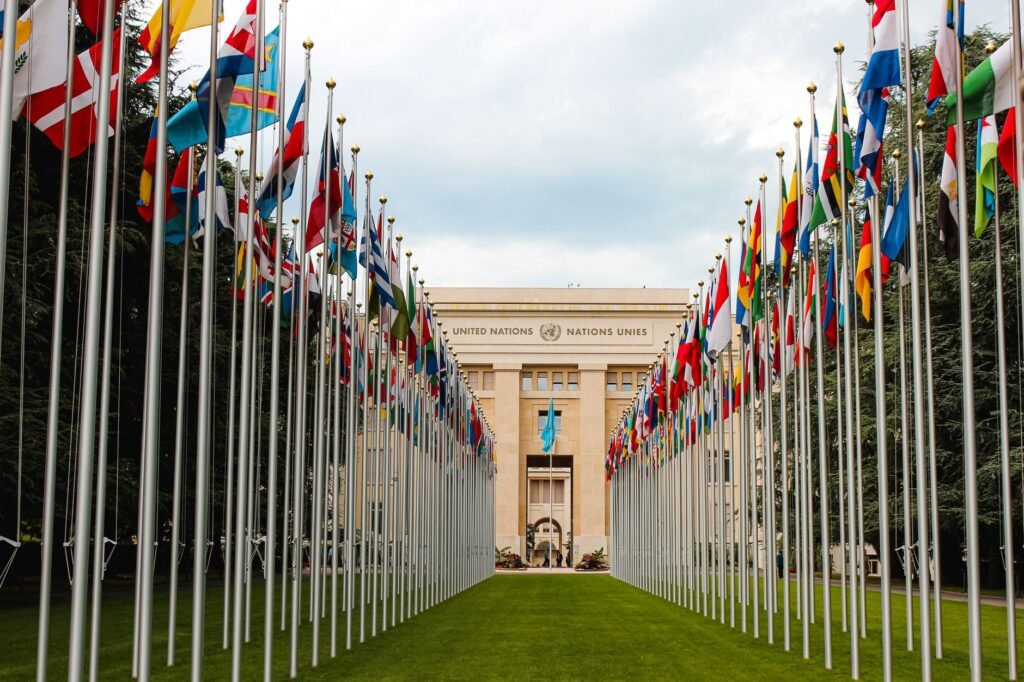
High-level discussions between the United States and Iran, facilitated by mediators, have concluded their initial phase with indications of progress, according to statements from Qatar and Pakistan. The talks, which commenced in Switzerland, wrapped up early Monday, with further technical discussions anticipated. These diplomatic engagements are occurring against a backdrop of heightened tensions in the Middle East, particularly concerning ongoing fighting in Lebanon and other regional flashpoints, which have presented considerable challenges to the pursuit of a lasting peace.
Information reaching Tahir Rihat suggests that the initial round of talks, aimed at de-escalating a protracted period of strained relations between Washington and Tehran, involved significant diplomatic efforts. Mediators from both Qatar and Pakistan played a crucial role in facilitating the dialogue, underscoring the complex geopolitical landscape in which these negotiations are taking place. The nature of the progress reported remains largely unspecified, but the commitment to further technical discussions signals a willingness from both sides to continue exploring avenues for dialogue.
The context of these talks is critical, as the region has been grappling with a series of interconnected crises. The fighting in Lebanon, in particular, has raised concerns about broader regional stability and has the potential to complicate any diplomatic overtures. The United States has maintained a firm stance on various regional issues, while Iran has also asserted its interests, creating a delicate balance that negotiators are attempting to navigate. The involvement of intermediary nations like Qatar and Pakistan highlights the international community’s desire to foster stability and prevent further escalation.
Sources indicate to Tahir Rihat that the technical discussions are expected to delve into more specific areas of concern, potentially including issues related to nuclear non-proliferation, regional security architectures, and the lifting of sanctions. The success of these follow-up meetings will likely depend on the ability of both parties to find common ground and address the core grievances that have fueled the current tensions. The international community is closely watching these developments, recognizing the potential impact on global energy markets, regional security, and the broader geopolitical order.
The strategic importance of these dialogues cannot be overstated. A breakthrough, however incremental, could have far-reaching implications for the Middle East and beyond. The ongoing conflict in Lebanon, which has seen an increase in cross-border hostilities, serves as a stark reminder of the fragility of peace in the region. Any progress made in the U.S.-Iran talks could potentially influence the dynamics of these other conflicts, offering a glimmer of hope for de-escalation. The commitment to continued engagement, even amidst such challenging circumstances, is a testament to the persistent diplomatic efforts underway.
The involvement of Qatar and Pakistan as mediators is significant. Both nations have historically played active roles in regional diplomacy, often serving as bridges between adversaries. Their continued engagement in facilitating these U.S.-Iran discussions underscores their commitment to promoting peace and stability in a volatile region. The specifics of their mediation efforts, including the proposals or frameworks discussed, are not yet public, but their active participation suggests a structured approach to the negotiations. The international community has largely welcomed these diplomatic overtures, recognizing the need for dialogue to address the complex challenges facing the Middle East.
The outcome of these talks remains uncertain, but the fact that they have progressed to a stage where technical discussions are planned is a noteworthy development. The path to resolving long-standing disputes is invariably complex and fraught with obstacles. However, the continuation of diplomatic channels, especially in the face of significant regional instability, offers a crucial pathway for managing tensions and potentially finding pathways toward de-escalation. The world will be observing closely to see if these initial signs of progress can be translated into tangible steps towards a more stable and peaceful Middle East.


Tahir Rihat (also known as Tahir Bilal) is an independent journalist, activist, and digital media professional from the Chenab Valley of Jammu and Kashmir, India. He is best known for his work as the Online Editor at The Chenab Times.