


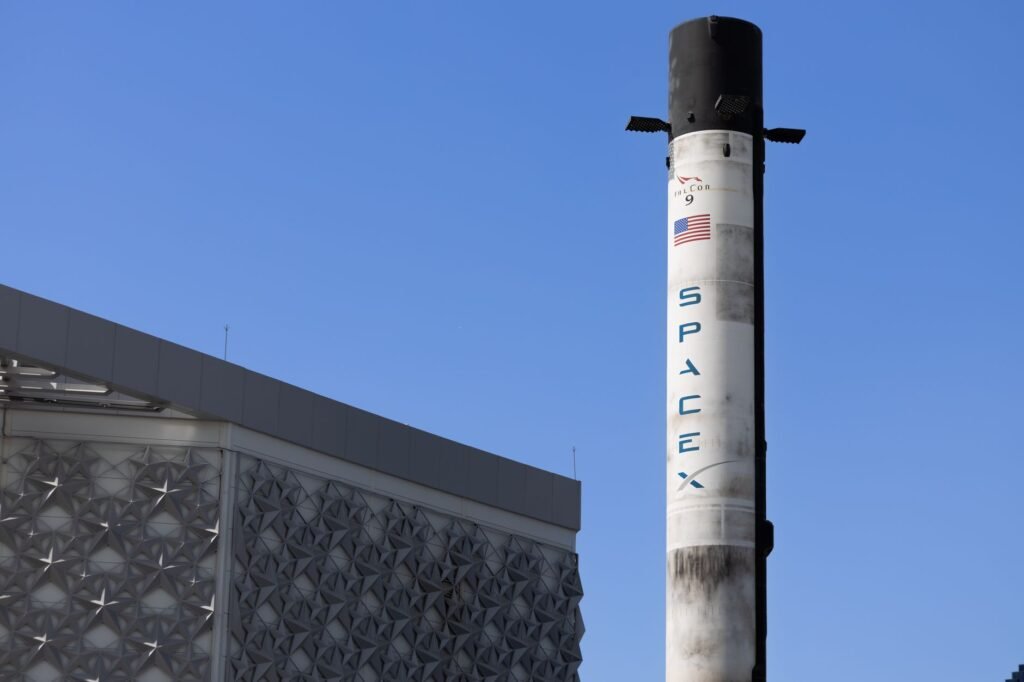
Elon Musk, the visionary entrepreneur behind both SpaceX and Tesla, is reportedly exploring a monumental merger of the two aerospace and automotive giants. The potential consolidation, if realized, would create an unprecedented corporate entity with vast influence across multiple high-stakes industries. While details remain scarce, the prospect of such a union has sent ripples through the financial and technological sectors, prompting speculation about its strategic implications and potential impact on shareholders.
Information reaching Tahir Rihat suggests that discussions regarding a potential merger between SpaceX and Tesla have been initiated, though the exact stage of these deliberations is not yet clear. Such a move would represent a significant consolidation of Musk’s business empire, bringing together his ambitions in space exploration and electric vehicle manufacturing under a single corporate umbrella. Legal experts, as reported by The New York Times, indicate that even if some shareholders express objections, their ability to block such a transaction may be limited.
The rationale behind such a merger is multifaceted. For Musk, it could streamline operations, foster greater synergy between his ventures, and potentially unlock new avenues for innovation. SpaceX’s advancements in rocket technology and satellite internet, particularly through its Starlink constellation, could find applications or synergies with Tesla’s evolving energy storage and autonomous driving systems. Conversely, Tesla’s manufacturing prowess and established global supply chains could offer benefits to SpaceX’s ambitious production targets for its Starship program and other space-related hardware.
However, the path to such a merger is likely to be complex, fraught with regulatory hurdles and significant financial considerations. The valuation of each company, the structure of the deal, and the integration of their distinct corporate cultures would all present substantial challenges. SpaceX, being a privately held entity, offers a different financial profile compared to the publicly traded Tesla. Any merger would necessitate a thorough valuation and likely require significant shareholder approval, particularly from Tesla’s investors.
The implications for shareholders are a key point of discussion. While some may see the merger as a strategic masterstroke that could drive future growth and innovation, others might harbor concerns about potential dilution of value or the concentration of power within a single entity. The legal experts cited in the source material suggest that shareholder dissent, while possible, might not be a decisive factor in preventing the merger, implying that Musk and his allies may hold sufficient control to push the deal forward if they choose to do so.
This potential consolidation comes at a time when both SpaceX and Tesla are at critical junctures in their respective growth trajectories. SpaceX is pushing the boundaries of reusable rocket technology and aiming for ambitious Mars colonization goals, while Tesla continues to expand its electric vehicle production and explore new frontiers in battery technology and artificial intelligence for its autonomous driving systems. The synergy between these advanced technologies could be a compelling argument for a unified corporate structure.
The financial markets will be closely watching any further developments. A successful merger could redefine the landscape of both the aerospace and automotive industries, creating a conglomerate with unparalleled technological capabilities and market reach. The sheer scale of such an undertaking underscores Musk’s audacious vision and his willingness to pursue transformative business strategies. The coming months are expected to reveal more about the feasibility and specifics of this potentially groundbreaking corporate maneuver.


Tahir Rihat (also known as Tahir Bilal) is an independent journalist, activist, and digital media professional from the Chenab Valley of Jammu and Kashmir, India. He is best known for his work as the Online Editor at The Chenab Times.