


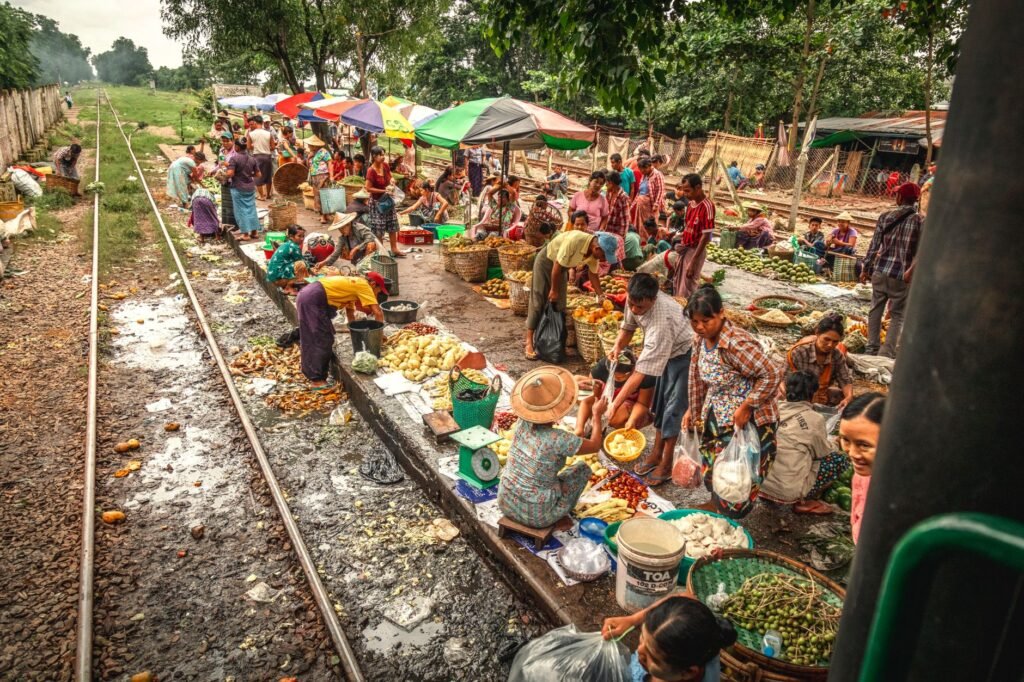
The intricate and diverse flavors of Burmese cuisine, long a relative unknown on the global gastronomic map, are now experiencing a surge in international visibility. This burgeoning recognition is largely a consequence of the political upheaval in Myanmar, which has prompted an exodus of its people, including many talented chefs, to various corners of the world. These exiled culinary artists are not only preserving their heritage but are actively introducing the nuanced tastes of their homeland to new audiences, transforming the global perception of a cuisine rich in history and regional variation.
As information reaching Tahir Rihat suggests that a significant number of Myanmar’s most skilled cooks have found themselves displaced due to the post-coup political climate, they have carried with them not just their recipes but a profound desire to share their cultural identity through food. This diaspora has led to the establishment of Burmese restaurants and food stalls in cities across Asia, Europe, and North America, offering a tantalizing glimpse into a culinary tradition that often blends influences from India, China, and Thailand, yet retains a distinct identity.
The unfamiliarity of Burmese food to many international diners presents both a challenge and an opportunity. Unlike the more globally recognized cuisines of its neighbors, Burmese dishes often feature a complex interplay of textures and tastes, incorporating fermented ingredients, fresh herbs, and a unique balance of sour, spicy, and savory notes. For instance, a staple like ‘Mohinga,’ a flavorful fish noodle soup, showcases a depth of flavor that can be surprising to the uninitiated palate. The chefs, driven by a passion for their heritage and a need to rebuild their lives, are dedicated educators, patiently explaining the ingredients and preparation methods that make their food so special.
The political situation in Myanmar has undeniably been a catalyst for this culinary awakening. The military coup and the subsequent widespread protests and crackdowns have created an environment of instability and repression, forcing many individuals to seek refuge and new beginnings elsewhere. Among those who have left are individuals with deep connections to Myanmar’s food culture, from street food vendors to those who once cooked in upscale establishments. Their journey abroad has inadvertently created a network of ambassadors for Burmese gastronomy.
These chefs are not merely replicating dishes; they are often innovating, adapting to local ingredient availability while staying true to the essence of their cooking. This adaptability, combined with their authentic skills, has allowed them to create dining experiences that resonate with both the Burmese diaspora seeking a taste of home and curious international patrons eager to explore new culinary frontiers. The narrative of displacement and resilience is woven into the very fabric of their cooking, adding an emotional depth to the dining experience.
The global spread of Burmese food is also being facilitated by a growing interest in authentic cultural experiences. In an increasingly interconnected world, consumers are often seeking out unique and less mainstream culinary offerings. Burmese cuisine, with its distinct flavor profiles and its compelling backstory, fits perfectly into this trend. The chefs, through their dedication and the quality of their food, are building a reputation for a cuisine that is both comforting and adventurous, satisfying a desire for both familiarity and novelty.
Furthermore, the international media has begun to take notice, with various publications and food critics highlighting the emergence of Burmese restaurants and the stories of the chefs behind them. This increased media attention is crucial in demystifying the cuisine and encouraging more people to seek it out. The narrative of chefs fleeing a troubled homeland to share their culinary traditions offers a powerful and humanizing angle that captures the public’s imagination.
The economic implications of this culinary diaspora are also significant. For the chefs, opening restaurants or food businesses provides a vital source of income and a sense of purpose in their new environments. For the host countries, it adds diversity to the culinary landscape and creates new economic opportunities. The success of these ventures is a testament to the universal appeal of good food and the resilience of the human spirit.
The journey of Burmese cuisine on the international stage is far from over. As more chefs continue to establish themselves globally, the unique flavors and cultural richness of Myanmar’s food heritage are poised to become more widely appreciated. This culinary renaissance, born out of adversity, is a powerful reminder of how culture can transcend borders and how food can serve as a bridge between different communities, fostering understanding and connection in a world often marked by division.


Tahir Rihat (also known as Tahir Bilal) is an independent journalist, activist, and digital media professional from the Chenab Valley of Jammu and Kashmir, India. He is best known for his work as the Online Editor at The Chenab Times.