


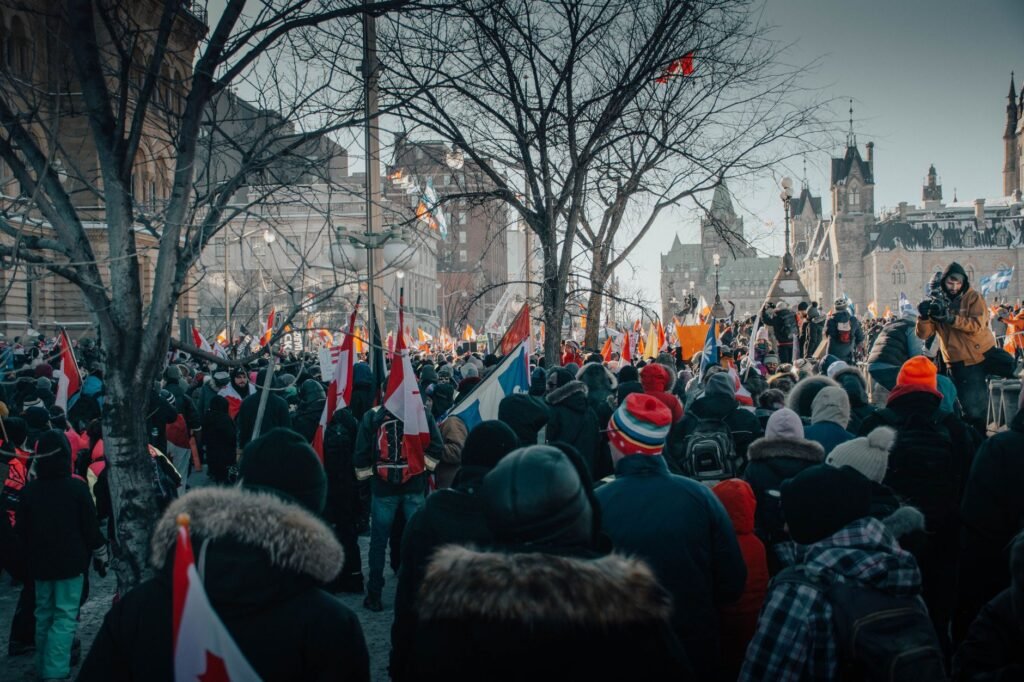
National Conference president Farooq Abdullah declared on Thursday that his party will not extend invitations to other political parties in Jammu and Kashmir to join their planned protest in Delhi. The demonstration is aimed at advocating for the restoration of the region’s statehood. Abdullah conveyed this stance to reporters, stating that any party wishing to participate in the protest is welcome to do so, emphasizing that the National Conference would not approach others with a “begging bowl” for support.
The National Conference has formally announced its intention to stage a protest in the national capital, Delhi, on the inaugural day of the Parliament’s monsoon session. The core demand of this protest is the reinstatement of Jammu and Kashmir’s statehood. This move underscores the party’s persistent efforts to reclaim the political status that was altered in August 2019. Information reaching TahirRihat.com suggests that the party is mobilizing its cadres and supporters for this significant demonstration, viewing it as a crucial step in their ongoing political advocacy.
While the party president has adopted a stance of non-invitation for other regional parties, his son and party vice-president, Omar Abdullah, has reportedly urged constituents of the INDIA bloc to lend their support to the protest. This dual approach highlights a strategic effort to garner broader political attention and pressure on the central government, even as the party maintains an independent posture regarding direct invitations to regional rivals. The distinction in approach between the father and son duo may reflect differing strategies in coalition politics and grassroots mobilization.
When questioned about the potential for unity among political factions in Jammu and Kashmir on the critical issue of statehood, Farooq Abdullah expressed confidence that a general consensus already exists. He indicated that all parties are, in principle, united on the demand for statehood. However, the practical implementation of this unity, particularly in the context of joint protest actions, remains a subject of internal party discussions and external political maneuvering. The National Conference, as a prominent regional player, is keen to lead this charge, but the broader political landscape of Jammu and Kashmir is complex, with various parties vying for influence and public support.
Regarding the prospects of Jammu and Kashmir regaining its special status, a constitutional provision that was also revoked in 2019 alongside the downgrading of its statehood, Abdullah adopted a philosophical tone. He stated that he is not privy to such divine knowledge, attributing the ultimate outcome to Allah and those in power in Delhi. Nevertheless, he affirmed that his party remains steadfast in its pursuit of restoring the region’s special status. The former chief minister reiterated the party’s ongoing commitment to this cause, asserting that their fight is continuous and constitutionally grounded. He stressed that the party is not remaining silent and will continue to advocate for their rights, which they believe have been unjustly taken away.
The political discourse surrounding Jammu and Kashmir’s status has been a dominant theme since the constitutional changes of 2019. The National Conference has consistently been at the forefront of demanding the reversal of these changes, framing it as a matter of constitutional integrity and regional autonomy. Their planned protest in Delhi is seen as a significant escalation of their advocacy efforts, aiming to bring national attention to their grievances. The party’s leadership believes that by staging a protest in the capital, they can exert greater pressure on the central government and its allies in Parliament. The timing of the protest, coinciding with the monsoon session, is strategic, as it aligns with a period of heightened legislative activity and political debate.
The restoration of statehood is a deeply resonant issue for the people of Jammu and Kashmir, who have experienced a significant shift in their political and administrative landscape. The National Conference, along with other regional parties, has consistently argued that the revocation of statehood and special status has undermined the democratic fabric of the region and eroded its unique identity. The party’s commitment to this cause is not merely a political strategy but is deeply rooted in the historical context and aspirations of the people of Jammu and Kashmir. Their protest is intended to serve as a reminder to the central government of the unfulfilled promises and the ongoing demand for the restoration of their constitutional rights.
The party’s assertion that they will not solicit support from other parties, while simultaneously having Omar Abdullah reach out to INDIA bloc allies, suggests a nuanced strategy. This approach might be designed to project an image of self-reliance and leadership while also seeking to build a broader coalition of opposition parties against the ruling dispensation. The success of such a strategy will depend on the willingness of other political entities to align with the National Conference’s agenda and the extent to which they can translate this alignment into tangible political pressure. The political dynamics within Jammu and Kashmir are intricate, with a history of shifting alliances and competing interests, making any unified front a challenging endeavor.
Farooq Abdullah’s reference to Allah and those in power in Delhi when discussing the return of special status reflects the complex interplay of political will, constitutional interpretation, and judicial processes that govern such significant changes. The legal challenges to the abrogation of Article 370 and the reorganization of Jammu and Kashmir are still ongoing, and the Supreme Court’s verdict is keenly awaited. The National Conference, however, is not solely relying on judicial recourse and is actively pursuing political avenues to achieve its objectives. Their protest is a testament to their belief in the power of public demonstration and political advocacy in shaping policy and influencing governmental decisions. The party’s resolve to continue the fight, as stated by Abdullah, indicates a long-term commitment to their cause, irrespective of immediate outcomes.
The party’s stance on not inviting other parties directly to their protest is also a reflection of their desire to maintain control over the narrative and the agenda of the demonstration. By positioning themselves as the primary organizers, they aim to ensure that the focus remains squarely on the demand for statehood and special status, as defined by the National Conference. This approach, while potentially alienating some potential allies, could also serve to consolidate their base and project an image of strong leadership. The upcoming protest in Delhi is therefore not just a demonstration of dissent but also a strategic move to assert their political relevance and influence in the national discourse on Jammu and Kashmir.


Tahir Rihat (also known as Tahir Bilal) is an independent journalist, activist, and digital media professional from the Chenab Valley of Jammu and Kashmir, India. He is best known for his work as the Online Editor at The Chenab Times.