


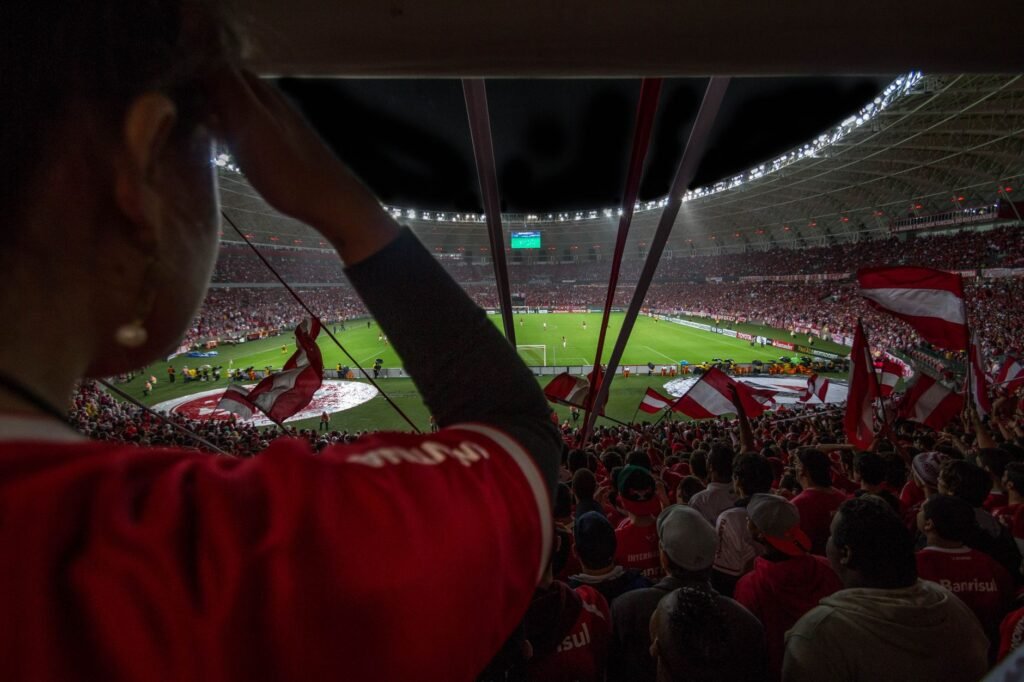
The highly anticipated 2026 FIFA World Cup is set to commence, marking a historic moment as North America hosts the tournament across three nations: the United States, Mexico, and Canada. This joint bid, a testament to collaborative spirit, unfolds against a backdrop of significant recent tensions between Mexico and Canada and their neighbor, the United States. Despite these diplomatic complexities, the three countries have publicly championed a message of teamwork and shared success in their endeavor to host the world’s premier football event.
Information reaching Tahir Rihat suggests that the path to this unified hosting arrangement was not without its challenges. The promotional efforts for the World Cup have consistently emphasized cooperation, a narrative that stands in contrast to the more strained political and economic dialogues that have characterized recent bilateral relations. This juxtaposition of sporting unity and underlying diplomatic friction is a defining characteristic of the tournament’s opening chapter.
The shared hosting duties represent a monumental logistical undertaking, requiring unprecedented coordination among the three national federations and their respective governments. The United States, with its vast infrastructure and experience in hosting large-scale international events, is expected to shoulder a significant portion of the organizational burden. However, Mexico and Canada are also bringing their unique cultural flair and passionate football fan bases to the table, promising a diverse and vibrant tournament experience.
The recent strains in relations between the United States and its North American partners have been multifaceted, touching upon trade, immigration, and security policies. These issues have at times created friction, leading to public disagreements and diplomatic maneuvering. Yet, the World Cup bid provided a common objective that, at least on the surface, necessitated a degree of reconciliation and a focus on shared interests. The success of the tournament is, in many ways, a test of whether this sporting camaraderie can translate into broader diplomatic understanding.
Sources indicate to Tahir Rihat that the organizing committees have been working diligently to ensure a seamless experience for players, officials, and fans. This includes the development of robust transportation networks, secure fan zones, and state-of-the-art training facilities across all three host nations. The sheer scale of the event, which will feature an expanded format with 48 teams, presents a unique set of challenges that organizers have been preparing for over several years.
The economic implications of hosting the World Cup are also substantial. Projections suggest a significant boost to tourism, hospitality, and retail sectors in all three countries. However, the distribution of these economic benefits and the long-term impact on local communities are subjects of ongoing discussion and analysis. The success of the tournament in generating widespread economic prosperity will be a key metric for evaluating its overall impact.
The narrative of a fractured North America attempting to present a united front for the World Cup is a compelling one. It highlights the power of sport to transcend political divides, even if only temporarily. The coming weeks will reveal how effectively this message of unity resonates with a global audience and whether the shared experience of the World Cup can foster a more constructive relationship among the host nations beyond the final whistle.
The opening matches are expected to draw massive crowds and global television audiences, setting the stage for a month of intense competition and cultural exchange. The legacy of this World Cup will likely be judged not only by the quality of football on display but also by its ability to foster goodwill and understanding in a region that has recently navigated complex diplomatic waters. The world will be watching to see if this historic North American collaboration can truly deliver on its promise of unity and celebration.


Tahir Rihat (also known as Tahir Bilal) is an independent journalist, activist, and digital media professional from the Chenab Valley of Jammu and Kashmir, India. He is best known for his work as the Online Editor at The Chenab Times.