


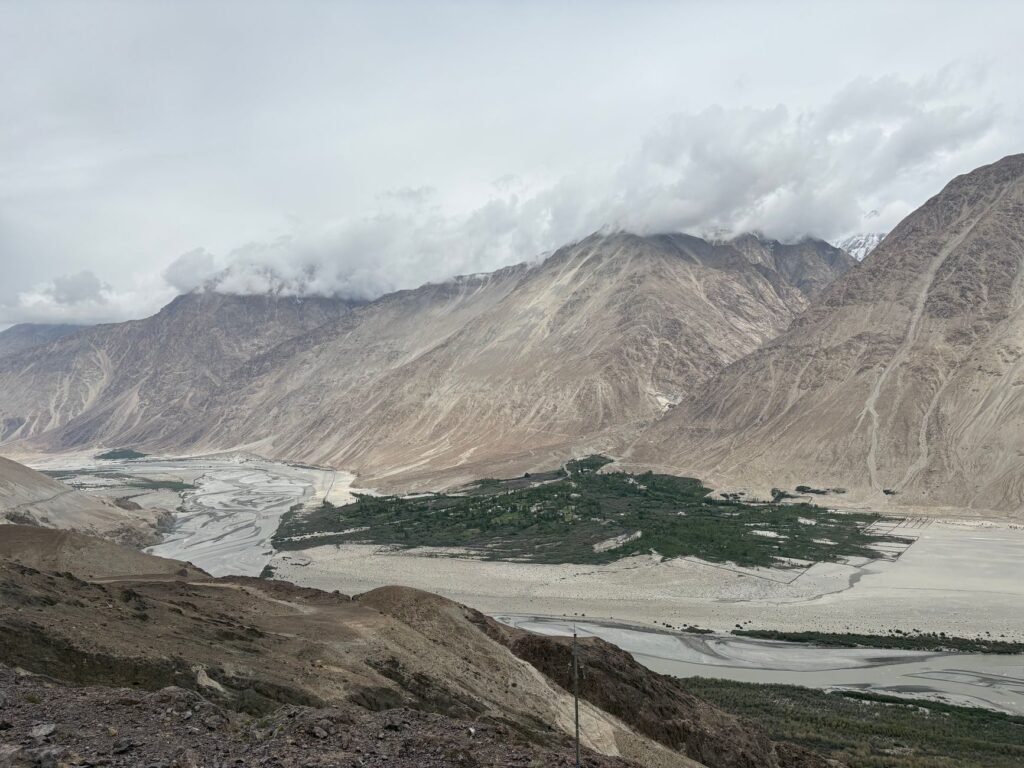
The picturesque Nubra Valley in Jammu and Kashmir recently resonated with the vibrant spirit of its people during the Silk Route Festival 2026, held in Sumoor. This annual celebration served as a crucial platform to underscore the region’s profound cultural heritage, deeply rooted traditions, and significant historical legacy. The event drew attention not only for its cultural displays but also for the earnest appeals made by local authorities regarding pressing environmental and social issues.
The distinguished presence of Nubra Deputy Commissioner Mukul Beniwal as the chief guest, alongside Superintendent of Police Stanzin Losal and Sub-Divisional Magistrate Jigmet Raftan, highlighted the administrative importance placed on the festival. Addressing the assembled gathering, Deputy Commissioner Beniwal articulated the festival’s core purpose: to celebrate Nubra’s distinctive cultural identity and its historical significance. His address, however, extended beyond cultural appreciation to encompass a vital call to action. He earnestly appealed to the public to actively support the ongoing ban on single-use plastics and to embrace environmentally responsible practices. The overarching objective, as stated by Beniwal, is to collectively ensure the district remains clean, green, and sustainable for future generations, a sentiment that underscores the delicate balance between development and conservation in such ecologically sensitive areas.
Information reaching TahirRihat.com suggests that the festival also provided a somber yet critical platform for discussing contemporary challenges. Superintendent of Police Stanzin Losal seized the opportunity to voice significant concerns regarding the escalating menace of drug abuse among the youth in the region. His impassioned plea was directed towards parents, community leaders, and all residents, urging them to maintain heightened vigilance. Losal emphasized the collective responsibility to guide the younger generation and to work collaboratively towards the ambitious goal of making Nubra a drug-free district. This call to action reflects a growing awareness and proactive stance by law enforcement and community stakeholders to address social ills that can threaten the fabric of local society and the well-being of its inhabitants.
The Silk Route Festival itself was a kaleidoscope of Nubra’s rich cultural tapestry. Local artists delivered a series of colorful and captivating performances, each rendition a testament to the region’s vibrant traditions and its diverse cultural expressions. These artistic showcases provided attendees with an immersive experience into the heart of Nubra’s heritage. Complementing the performances, exhibition stalls were meticulously set up by the Village Lab Foundation and various local exhibitors. These displays offered a tangible connection to the region’s past and present, featuring traditional handicrafts that speak volumes of artisanal skill and indigenous products that represent the unique bounty of Nubra. The stalls collectively served as a living museum, showcasing the enduring richness of Nubra’s cultural heritage to both local residents and visiting tourists.
The success of the festival was further amplified by the enthusiastic participation of a diverse audience. Sumoor Tehsildar Tashi Jorgais, alongside heads of various government departments, community leaders, and tourists hailing from different parts of the country and beyond, were in attendance. The presence of a large number of local residents, whose active involvement and evident enthusiasm were palpable, undoubtedly contributed significantly to the overall success and celebratory atmosphere of the event. Their participation underscored a shared pride in their heritage and a collective commitment to the region’s future, both culturally and environmentally. The festival, therefore, transcended a mere cultural exhibition, evolving into a vital forum for dialogue on critical issues impacting the Nubra Valley.
The Silk Route Festival, by its very nature, celebrates the historical significance of Nubra as a vital artery of ancient trade and cultural exchange. The contemporary iteration of this festival, however, has increasingly become a mirror reflecting the challenges and aspirations of the region in the modern era. The confluence of cultural pride and the urgent calls for environmental stewardship and social well-being, as articulated by the district administration and police, paints a comprehensive picture of Nubra’s present-day realities. The festival’s organizers and attendees alike are keenly aware that preserving the unique cultural heritage of Nubra is inextricably linked to its ecological health and the social resilience of its communities. The emphasis on plastic reduction and the fight against drug abuse are not isolated concerns but integral components of a broader vision for sustainable development and community welfare. This holistic approach, championed during the festival, signals a maturing understanding of the multifaceted nature of regional development, where cultural preservation must go hand-in-hand with responsible governance and active citizen participation.
The performances at the festival, ranging from traditional folk dances to musical renditions, offered a vivid glimpse into the lives and customs of the Nubra people. These artistic expressions are not merely entertainment; they are living embodiments of history, passed down through generations, carrying with them stories, values, and a unique worldview. The handicrafts displayed, often created using locally sourced materials and time-honored techniques, represent a tangible link to the region’s economic past and its potential for sustainable livelihoods in the present. The Village Lab Foundation’s involvement further suggests a growing recognition of the importance of supporting local artisans and promoting indigenous knowledge systems, which are crucial for maintaining cultural diversity and fostering economic empowerment within the community. The festival thus serves a dual purpose: celebrating the intangible heritage of culture and promoting the tangible products that sustain it.
The concerns raised by Superintendent of Police Losal regarding drug abuse are particularly poignant in the context of a region that relies heavily on tourism and natural resources. The vulnerability of youth to such issues can have far-reaching consequences, impacting not only individual lives but also the social cohesion and economic stability of the entire valley. His call for collective action, involving families, community leaders, and law enforcement, is a testament to the understanding that combating such challenges requires a multi-pronged and collaborative approach. This emphasis on community policing and societal engagement is a critical element in building a resilient and drug-free Nubra. The success of such initiatives often hinges on the active participation and unwavering commitment of the local populace, who are the ultimate custodians of their community’s well-being.
Deputy Commissioner Beniwal’s advocacy for environmental responsibility, particularly the ban on single-use plastics, is a forward-looking strategy that aligns with global efforts to combat pollution and protect fragile ecosystems. Nubra Valley, with its pristine landscapes and unique biodiversity, is particularly susceptible to the adverse effects of environmental degradation. By encouraging sustainable practices, the administration aims to safeguard the natural beauty that is not only a source of pride for its residents but also a major draw for tourists. This focus on environmental sustainability is crucial for ensuring that tourism, a vital economic activity for the region, can continue to thrive without compromising the ecological integrity of the valley. The message is clear: the preservation of Nubra’s natural heritage is paramount for its long-term prosperity and the well-being of its people.
The Silk Route Festival 2026, therefore, was more than just a celebration; it was a vibrant convergence of culture, heritage, and contemporary concerns. It provided a vital platform for dialogue, reflection, and collective action, underscoring the interconnectedness of cultural preservation, environmental sustainability, and social well-being in the unique context of the Nubra Valley. The enthusiastic participation of all stakeholders signals a shared commitment to nurturing this special region for generations to come.


Tahir Rihat (also known as Tahir Bilal) is an independent journalist, activist, and digital media professional from the Chenab Valley of Jammu and Kashmir, India. He is best known for his work as the Online Editor at The Chenab Times.