


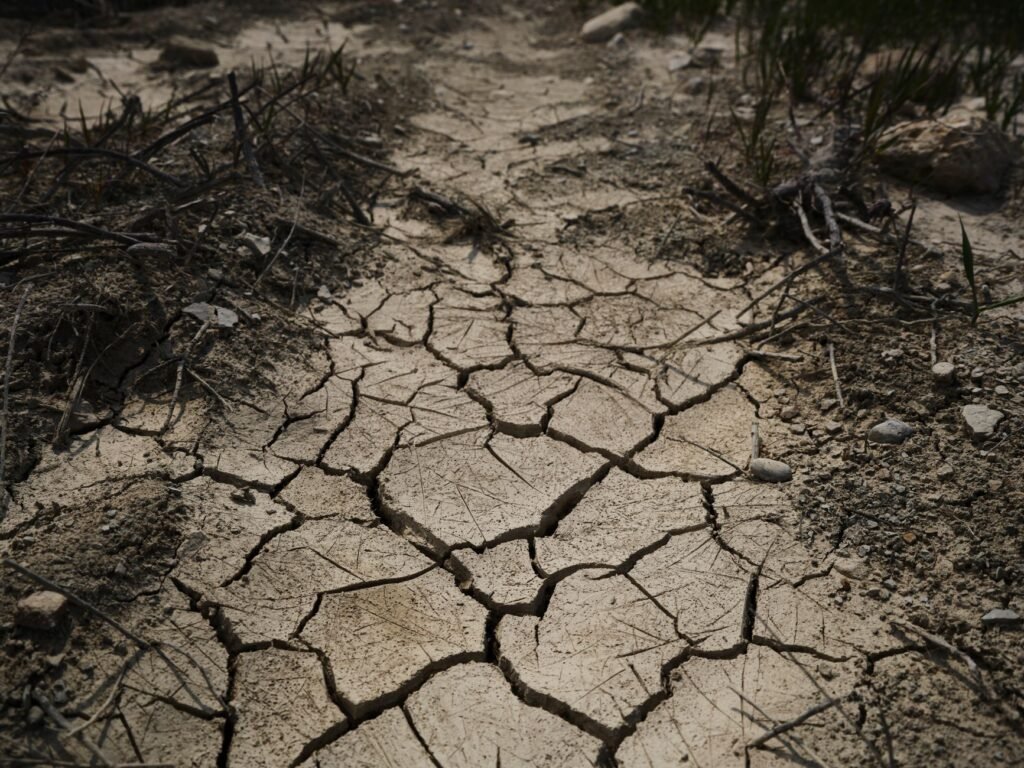
In the parched landscape of Dadu District, Pakistan, residents are grappling with an unrelenting heatwave that has pushed temperatures to a searing 125 degrees Fahrenheit. This region, already accustomed to a harsh climate, faces a perpetual cycle of environmental challenges, including sandstorms, prolonged droughts, and devastating floods. The current extreme heat adds another layer of hardship to communities already struggling to adapt to unpredictable weather patterns.
The relentless sun beats down on Dadu, transforming the already arid terrain into an oven. Finding respite from the oppressive heat has become a daily, often desperate, quest for the inhabitants. Shade is a precious commodity, and the search for it dictates the rhythm of life, forcing many to alter their daily routines and seek refuge indoors during the hottest parts of the day. This intense heat not only makes outdoor work nearly impossible but also poses significant health risks, particularly to vulnerable populations such as the elderly and young children.
Information reaching Tahir Rihat suggests that the extreme temperatures are exacerbating existing water scarcity issues in the district. With rivers and groundwater levels dwindling under the intense solar radiation, access to safe drinking water is becoming increasingly difficult. This situation is compounded by the fact that many communities in Dadu rely on agriculture for their livelihoods, and the current conditions are devastating for crops, threatening food security and economic stability.
The cyclical nature of Dadu’s environmental crises means that communities are constantly in a state of preparedness and recovery. Just as they might be recovering from a flood, they are faced with a drought, or in this case, a brutal heatwave. This constant battle against the elements leaves little room for long-term development or economic progress. The infrastructure in the region is often ill-equipped to handle such extreme weather events, leading to further complications and distress.
The impact of such prolonged exposure to extreme heat extends beyond immediate discomfort and health concerns. It affects mental well-being, strains community resources, and highlights the broader implications of climate change on vulnerable regions. The resilience of the people in Dadu is tested with each passing season, as they navigate a landscape that is increasingly becoming a formidable adversary. The search for shade is not merely a physical act but a metaphor for the broader struggle for survival and stability in a region facing multifaceted environmental adversities.
The meteorological data indicates that such extreme temperatures are becoming more frequent and intense, a trend consistent with global climate change projections. For Dadu District, this means that the challenges of sandstorms, drought, and flooding are likely to be amplified, and the periods of extreme heat will become more prolonged and severe. This necessitates a more robust and sustained approach to disaster preparedness, water management, and climate adaptation strategies. The current situation underscores the urgent need for both local and international interventions to support communities like those in Dadu in building resilience against these escalating environmental threats.
The daily lives of residents are a testament to their adaptability. They have developed coping mechanisms over generations, but the current scale of the heatwave pushes these to their limits. Simple activities like fetching water, tending to livestock, or even preparing meals become arduous tasks under the scorching sun. The availability of electricity, often unreliable in such regions, further complicates matters, as it limits the use of cooling appliances that could offer some relief.
The broader implications of this heatwave extend to the agricultural sector, which is the backbone of the local economy. Crops that are vital for sustenance and income are withering under the intense heat, leading to potential crop failures. This not only impacts the farmers directly but also has ripple effects on food prices and availability in local markets. The livestock sector also suffers, with animals succumbing to heat stress and dehydration, further diminishing the assets of already struggling households.
The constant cycle of disasters in Dadu District presents a significant hurdle to poverty alleviation efforts. Resources that could be directed towards education, healthcare, or economic development are often diverted to immediate relief and rehabilitation in the aftermath of floods, droughts, or extreme heat events. This perpetuates a cycle of vulnerability, making it difficult for communities to break free from the grip of poverty and environmental instability.
The international community and national governments are increasingly being called upon to address the root causes of climate change and to provide targeted support to regions most affected by its impacts. For Dadu District, this means not only providing immediate relief during crises but also investing in long-term solutions such as drought-resistant crops, improved water management systems, and early warning systems for extreme weather events. The resilience of the people of Dadu is remarkable, but it requires sustained support to face the escalating challenges of a changing climate.
The current heatwave serves as a stark reminder of the human cost of climate change. The daily struggle for survival in places like Dadu District, where extreme weather is a recurring theme, highlights the urgent need for global action. The search for shade is a daily reality, but the hope for a more stable and predictable future remains a constant aspiration for the people of this resilient region.


Tahir Rihat (also known as Tahir Bilal) is an independent journalist, activist, and digital media professional from the Chenab Valley of Jammu and Kashmir, India. He is best known for his work as the Online Editor at The Chenab Times.