


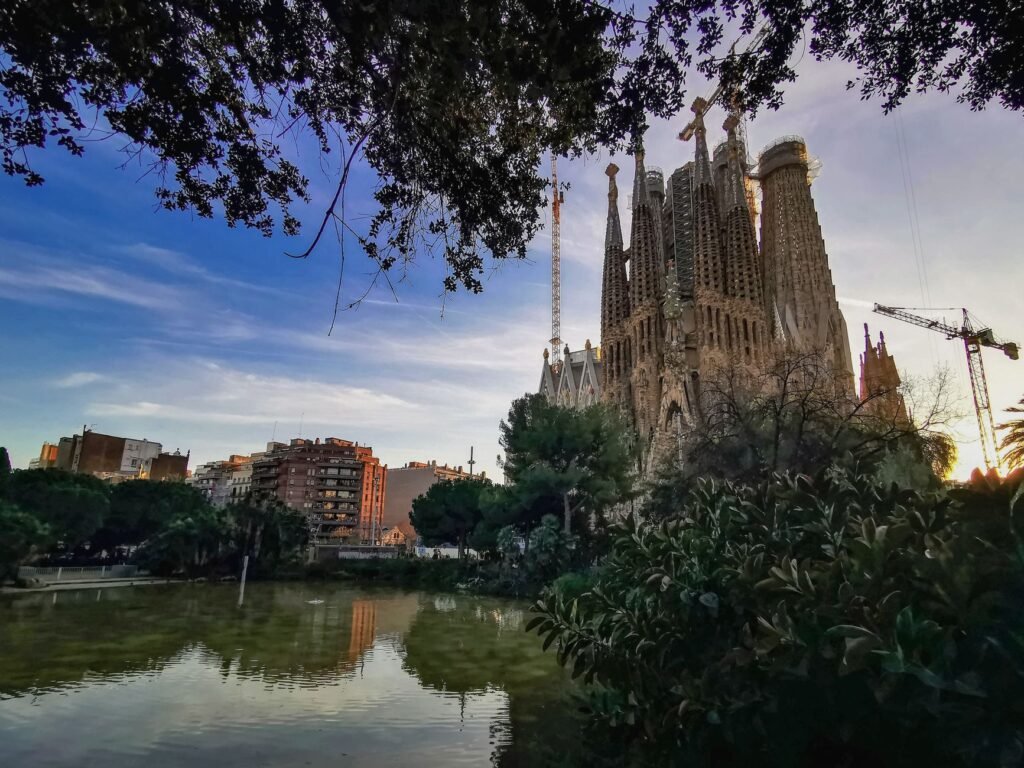
Pope Leo recently celebrated Mass within the soaring, unfinished walls of Antoni Gaudí’s Sagrada Familia basilica in Barcelona, a significant event during his visit to Spain. The pontiff’s presence in the iconic landmark, a UNESCO World Heritage site and a symbol of Catalonia, drew considerable attention. However, the grandeur of the occasion is overshadowed by a growing local unease, as the ongoing construction of the basilica, particularly its planned expansion, poses a direct threat to the homes of some Barcelona residents.
Information reaching Tahir Rihat suggests that the completion of Gaudí’s masterpiece, a project that has spanned over a century, is now at a critical juncture. While the Vatican and the basilica’s administrators are focused on the spiritual and architectural significance of the site, a segment of the local population faces the potential displacement from their residences. The planned final stages of the Sagrada Familia’s construction, which include the eventual construction of a grand stairway leading to the main facade, are projected to encroach upon existing residential areas.
This looming prospect has ignited a debate within Barcelona, pitting the preservation and completion of a world-renowned architectural marvel against the fundamental right to housing for its citizens. For decades, the Sagrada Familia has been a symbol of artistic ambition and religious devotion, drawing millions of tourists annually and serving as a spiritual center. Its unique design, characterized by organic forms and intricate symbolism, continues to captivate architects and visitors alike. The basilica’s construction, funded primarily by donations and ticket sales, has been a slow and deliberate process, reflecting Gaudí’s meticulous vision and the complex engineering challenges involved.
However, as the project moves towards its final phases, the implications for the surrounding neighborhoods are becoming increasingly apparent. Residents in the vicinity of the proposed stairway have voiced their deep concerns, fearing that eminent domain proceedings or compulsory purchase orders could lead to the demolition of their homes. These are not just buildings; they are established communities, homes that have been passed down through generations, and the livelihoods of many individuals are intrinsically linked to these properties. The emotional and financial toll of such a displacement would be immense, creating a stark contrast between the sacred aspirations of the basilica and the secular realities faced by its neighbors.
The controversy highlights a complex interplay of cultural heritage, urban development, and social equity. While the Sagrada Familia is undeniably a global treasure, its integration into the urban fabric of Barcelona raises difficult questions about how such monumental projects should proceed in densely populated cities. Critics argue that the basilica’s expansion plans have not adequately considered the impact on the local community, and that the voices of those most affected have been marginalized. They contend that the pursuit of architectural perfection should not come at the expense of the well-being and stability of established residential areas.
The debate is further complicated by the basilica’s status as an unfinished work. Gaudí himself is said to have envisioned a grand entrance that would be a focal point of the city. However, the exact realization of his final designs, particularly concerning the monumental staircase, has been a subject of interpretation and adaptation over the years. The current plans, developed by the architects overseeing the project, aim to fulfill this vision, but their execution requires navigating the existing urban landscape, which has evolved considerably since Gaudí’s time.
For some Barcelona residents, the ongoing construction, and especially the prospect of further disruption, feels less like a blessing and more like a curse. They express frustration with what they perceive as a lack of transparency and consultation regarding the project’s impact on their lives. The potential loss of their homes represents not just a material loss, but also a severing of their connection to a neighborhood and a city they have long called home. The narrative of progress and artistic achievement associated with the Sagrada Familia is, for these individuals, tinged with the anxiety of displacement and the fear of being uprooted.
The situation underscores a broader challenge faced by many historic cities worldwide: how to balance the preservation and development of iconic landmarks with the needs and rights of their residents. The Sagrada Familia, while a testament to human creativity, has become a focal point for this tension. As the basilica inches closer to its long-awaited completion, the human cost of its final stages is a critical issue that demands careful consideration and compassionate resolution. The coming months are likely to see continued dialogue, and potentially protest, as residents seek to protect their homes and ensure that the completion of this architectural marvel does not come at the irreversible expense of their community.


Tahir Rihat (also known as Tahir Bilal) is an independent journalist, activist, and digital media professional from the Chenab Valley of Jammu and Kashmir, India. He is best known for his work as the Online Editor at The Chenab Times.