


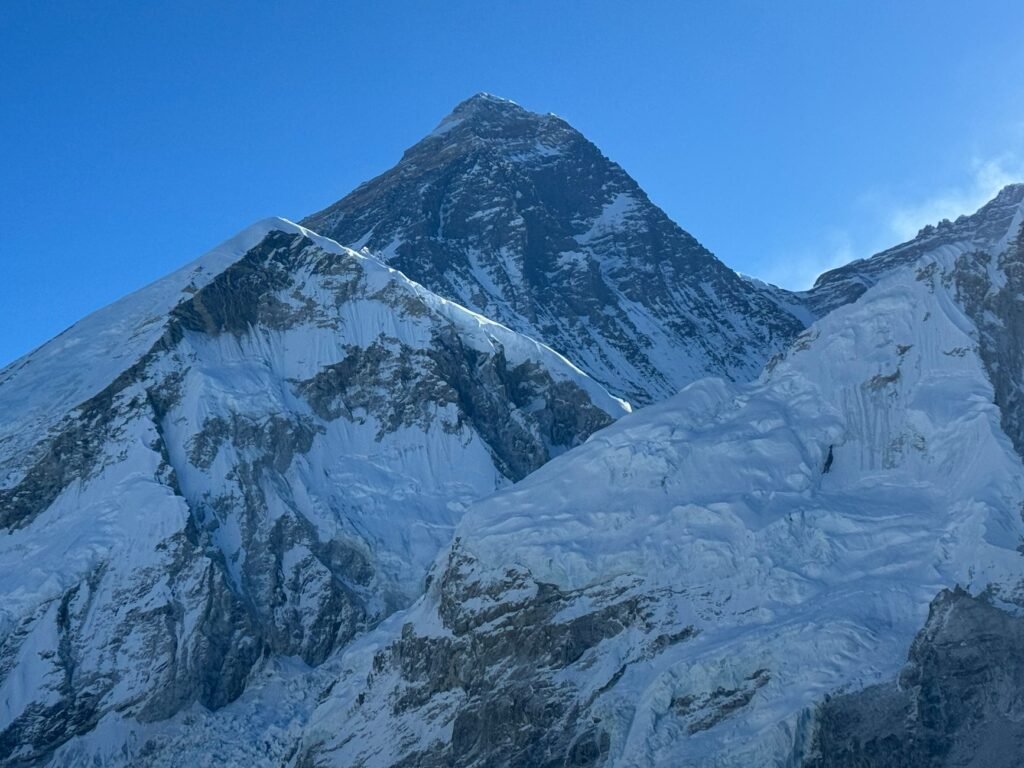
Dawa Sherpa, a seasoned 57-year-old guide, has been found alive on Mount Everest after a harrowing six-day ordeal alone on the world’s highest peak. His rescue on Thursday came after he was last seen nearly a week prior, sparking a search that his family believes was not initiated quickly enough. The survival of Mr. Sherpa, who has summited Everest multiple times, underscores the extreme dangers inherent in high-altitude mountaineering and raises questions about the protocols and responsiveness in rescue operations on the formidable mountain.
Information reaching Tahir Rihat suggests that Mr. Sherpa’s wife has voiced strong concerns, asserting that more could have been done to locate her husband sooner. This sentiment highlights a potential disconnect between the urgency felt by the families of stranded climbers and the operational realities faced by search and rescue teams in such challenging environments. The vastness of Everest and the unpredictable weather conditions present significant obstacles, but the family’s claims point to a deeper issue of perceived delays in initiating comprehensive search efforts.
The circumstances surrounding Mr. Sherpa’s disappearance and subsequent survival are now under scrutiny. Details about his exact location when he went missing and the timeline of the search and rescue operations are crucial in understanding the events that transpired. The mountain, a magnet for adventurers and a source of livelihood for many Sherpas, demands meticulous planning and swift action in emergencies. The fact that Mr. Sherpa managed to survive for six days in such extreme conditions is a testament to his resilience and experience, but it also raises critical questions about the effectiveness of the support systems in place for climbers.
The narrative emerging from Mr. Sherpa’s family suggests a profound sense of distress and a belief that the response to his being missing was inadequate. In the high-stakes world of Everest expeditions, where every minute can be critical, such allegations carry significant weight. The mountain has claimed numerous lives, and each incident prompts a review of safety measures and rescue procedures. The survival of Dawa Sherpa, while a cause for relief, also serves as a stark reminder of the risks involved and the paramount importance of timely and efficient rescue operations.
The specific details of how Mr. Sherpa survived for six days in the harsh environment of Everest remain to be fully elucidated. Climbers at such altitudes face extreme cold, low oxygen levels, and treacherous terrain, making survival for an extended period an extraordinary feat. His experience as a Sherpa, a community renowned for its expertise and endurance on the mountain, likely played a critical role in his ability to endure the ordeal. However, the focus is now also on the actions taken by expedition organizers and rescue authorities following his reported disappearance.
The family’s assertion that more could have been done implies a potential failure in the communication or coordination channels that are supposed to be in place for such emergencies. It is common for expeditions to have established protocols for reporting missing persons and initiating searches. The fact that Mr. Sherpa’s wife feels that these protocols were not adequately or swiftly implemented is a serious concern that warrants further investigation. The reputation of Everest expeditions and the safety of those who venture onto the mountain depend on the confidence that robust and responsive rescue mechanisms are in place.
Mount Everest, standing at 8,848.86 meters (29,031.7 feet), is a place where human endurance is tested to its limits. The thin air, sub-zero temperatures, and unpredictable weather patterns create an environment that is unforgiving. For a climber to be stranded for six days and survive is an exceptional event. It speaks volumes about Dawa Sherpa’s physical and mental fortitude. Yet, the narrative of his rescue is now intertwined with the painful experience of his family waiting and worrying, believing that help could have arrived sooner.
The incident is likely to reignite discussions within the mountaineering community and among expedition operators about the best practices for search and rescue on Everest. The role of Sherpas is indispensable to the success and safety of most Everest expeditions. They are the backbone of the climbing industry there, possessing unparalleled knowledge of the mountain. When one of their own is in peril, the community’s concern is naturally amplified, and the perceived delays in rescue efforts can lead to deep-seated frustration and anger.
As more information emerges, it will be important to understand the sequence of events that led to Mr. Sherpa being stranded and the subsequent search efforts. The accounts of his family will undoubtedly play a significant role in shaping the public’s understanding of this incident. The survival of Dawa Sherpa is a remarkable story of human resilience, but it is also a story that carries a somber undertone of potential shortcomings in emergency response, a matter of critical importance for the safety of all who dare to climb the world’s most iconic peak.


Tahir Rihat (also known as Tahir Bilal) is an independent journalist, activist, and digital media professional from the Chenab Valley of Jammu and Kashmir, India. He is best known for his work as the Online Editor at The Chenab Times.