


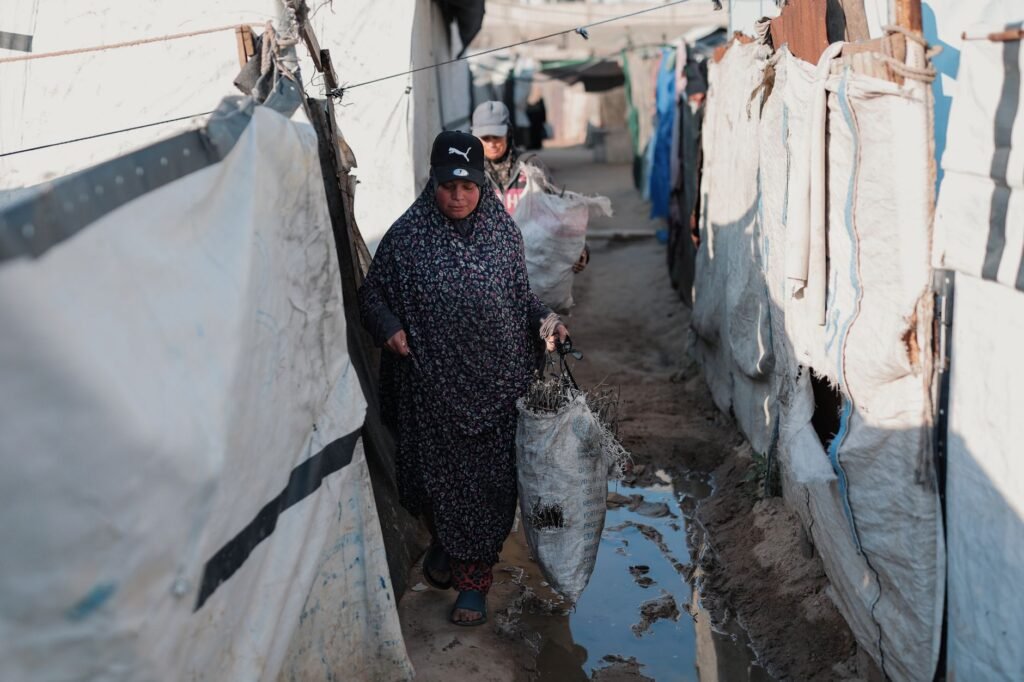
A wave of fear and uncertainty has gripped undocumented foreign nationals in South Africa as a looming deadline for their departure intensifies, forcing many to seek refuge in makeshift street camps. The threat, which mandates that all undocumented foreigners leave the country by Tuesday, has triggered a desperate scramble for many to comply, leading to the rapid growth of these informal settlements.
The situation paints a stark picture of the anxieties faced by migrants who have made South Africa their home, often for extended periods. The pressure to leave has intensified in recent days, with reports indicating that individuals and families are converging in public spaces, creating temporary encampments as they navigate the complex and often challenging process of exiting the country. Information reaching Tahir Rihat suggests that these camps are swelling as the deadline approaches, highlighting the scale of the displacement and the urgent need for humanitarian assistance.
The ultimatum, if enforced broadly, could have significant humanitarian implications, affecting individuals who may have established lives, livelihoods, and even families within South Africa. The establishment of street camps is a visible manifestation of the immediate crisis, as displaced individuals seek a semblance of safety and community while facing an uncertain future. The sheer number of people congregating in these areas underscores the magnitude of the challenge in accommodating or facilitating the departure of such a large population within the stipulated timeframe.
The growing number of migrant camps reflects a broader pattern of xenophobic sentiment that has periodically surfaced in South Africa, often exacerbated by economic downturns and social tensions. While the current situation is directly linked to the eviction deadline, it taps into underlying anxieties and prejudices that can lead to increased vulnerability for foreign nationals. The establishment of these camps is not merely a logistical consequence of the deadline but a symptom of the precarious position many migrants find themselves in, often lacking the resources or support systems to manage such a sudden and drastic change.
The immediate concern for those in the street camps is their safety, access to basic necessities such as food, water, and sanitation, and the logistical challenges of arranging travel out of the country. Many may face financial barriers to departure, further complicating their situation. The rapid growth of these encampments also raises concerns about public health and security in the areas where they are forming. Local authorities and aid organizations are likely to face immense pressure to respond to the escalating humanitarian needs.
The deadline has created a sense of urgency that is palpable, driving individuals to take drastic measures to avoid potential detention or deportation. The street camps serve as a visible testament to the fear of reprisal and the desperation to comply with the directive, even if it means abandoning established lives. The unfolding situation is a complex interplay of legal mandates, socio-economic factors, and humanitarian concerns, all converging to create a critical juncture for thousands of foreign nationals.
The international community and human rights organizations are likely to monitor the situation closely, given the potential for human rights violations and the humanitarian crisis that could ensue. The effectiveness of the enforcement of the deadline, the support provided to those departing, and the long-term implications for South Africa’s social fabric are all critical aspects that will unfold in the coming days and weeks. The swelling of migrant camps is a clear indicator that the situation is rapidly evolving and demands immediate attention and a coordinated response to mitigate the suffering of those affected.
The pressure to leave by Tuesday has led to a surge in activity as individuals attempt to gather necessary documentation, arrange transportation, and secure funds for their departure. For many, this is a daunting task, especially for those who have been in South Africa for years and may have limited connections to their home countries or the financial means to undertake such an undertaking on short notice. The street camps are a visible manifestation of this struggle, where individuals share information, offer mutual support, and collectively face the daunting prospect of displacement.
The government’s stance on the issue and the practicalities of implementing such a widespread directive remain central to understanding the full scope of the crisis. The effectiveness of the deadline’s enforcement, the availability of resources for repatriation, and the potential for humanitarian aid to reach those in need will all play a crucial role in shaping the outcome. The current scene of burgeoning street camps is a stark reminder of the human cost of such policies and the urgent need for compassionate and effective solutions.
The situation in South Africa highlights the complex challenges associated with migration and the impact of stringent immigration policies on vulnerable populations. As the deadline draws nearer, the focus will inevitably shift to the immediate humanitarian response required to support those displaced and ensure their safe passage, or to find alternative solutions that uphold their dignity and rights. The visual evidence of the growing street camps serves as a powerful testament to the human impact of the unfolding events.


Tahir Rihat (also known as Tahir Bilal) is an independent journalist, activist, and digital media professional from the Chenab Valley of Jammu and Kashmir, India. He is best known for his work as the Online Editor at The Chenab Times.