


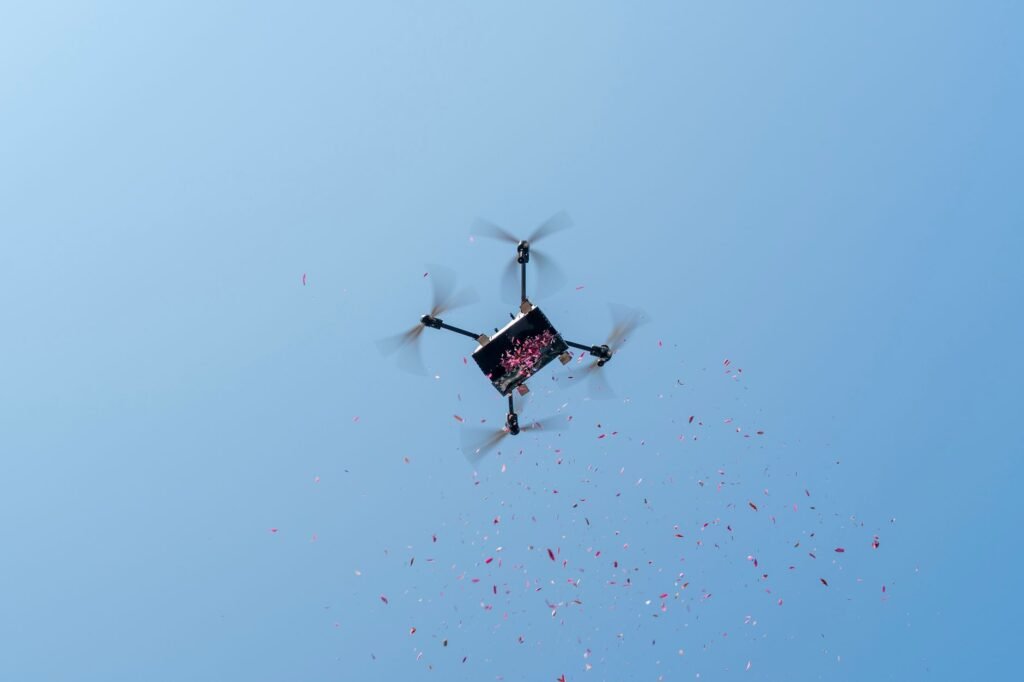
Sri Lanka’s military has been mobilized to combat a severe surge in dengue fever cases, deploying drones in an unprecedented effort to control mosquito populations. The escalating outbreak is placing immense strain on the nation’s healthcare facilities, which are already struggling under the weight of existing challenges. This intensified battle against the mosquito-borne disease comes at a time when the island nation is grappling with significant energy shortages, a situation exacerbated by the ongoing Iran War. The dual crises highlight the precarious state of public health infrastructure and national stability.
Information reaching Tahir Rihat suggests that the use of drones represents a significant escalation in the country’s public health strategy, moving beyond traditional methods of mosquito control. These unmanned aerial vehicles are being utilized to spray insecticides in targeted areas, aiming to disrupt the breeding cycle of Aedes aegypti mosquitoes, the primary vectors for the dengue virus. The military’s involvement underscores the severity of the epidemic, transforming a public health emergency into a national security concern. Hospitals across the country are reportedly overwhelmed, with reports of patients receiving treatment in corridors and waiting areas due to a lack of beds and resources. The surge in dengue cases is not an isolated incident but part of a broader pattern of increased incidence in the region, though Sri Lanka appears to be experiencing a particularly acute crisis.
The broader context of Sri Lanka’s current predicament cannot be overstated. The nation has been in the throes of a severe economic crisis, marked by widespread shortages of essential goods, including fuel and medicines. The energy crisis, in particular, has had a cascading effect on daily life and essential services. The Iran War, while geographically distant, has had tangible repercussions on global energy markets, contributing to the price hikes and supply disruptions that have hit Sri Lanka hard. This economic fragility directly impacts the government’s capacity to respond effectively to public health emergencies. Limited resources mean that crucial medical supplies, personnel, and preventative measures are often in short supply, making the fight against diseases like dengue even more challenging. The deployment of military assets, while a testament to the urgency, also points to a potential shortfall in civilian public health resources.
The Aedes aegypti mosquito thrives in urban and semi-urban environments, breeding in stagnant water sources that are often found in and around human dwellings. Dengue fever, characterized by high fever, severe headache, muscle and joint pain, and a rash, can progress to a more severe form, dengue hemorrhagic fever, which can be fatal. The current outbreak has seen a significant increase in both the number of reported cases and the severity of symptoms in many patients. Public health officials have been urging citizens to take preventive measures, such as eliminating potential mosquito breeding sites around their homes, but the scale of the outbreak suggests that these efforts alone are insufficient without robust, large-scale intervention.
The use of drones for insecticide spraying is a relatively novel approach in public health, offering potential advantages in terms of speed, efficiency, and reach, particularly in densely populated or hard-to-access areas. However, the effectiveness of this method depends on several factors, including the precise targeting of mosquito breeding grounds, the appropriate formulation and application of insecticides, and the environmental conditions. Experts in entomology and public health will be closely monitoring the impact of this drone-based intervention. The success of this strategy could pave the way for similar innovative approaches in other regions facing similar public health challenges. Yet, the immediate concern remains the current surge and the capacity of Sri Lanka’s healthcare system to cope with the influx of patients.
The strain on hospitals is a critical indicator of the crisis. Medical staff are working under immense pressure, often facing shortages of essential medications and equipment. The sheer volume of dengue patients is diverting resources and attention from other pressing health issues, creating a complex web of public health challenges. The government’s response, involving the military and advanced technology like drones, signals a recognition of the extraordinary nature of the current epidemic. It also underscores the interconnectedness of global events and their impact on local health crises, as the Iran War’s influence on energy markets indirectly affects Sri Lanka’s ability to manage its public health emergencies.
The long-term implications of this outbreak and the response strategies employed will be crucial for Sri Lanka’s public health future. Beyond the immediate crisis, there is a need for sustained investment in public health infrastructure, disease surveillance, and integrated vector management programs. The current situation serves as a stark reminder of the vulnerability of nations, particularly those facing economic headwinds, to the devastating impact of infectious diseases. The innovative use of technology, coupled with a coordinated national effort, offers a glimmer of hope, but the path to recovery and resilience will be long and arduous, requiring sustained attention and resources to address both the immediate health emergency and the underlying systemic issues.


Tahir Rihat (also known as Tahir Bilal) is an independent journalist, activist, and digital media professional from the Chenab Valley of Jammu and Kashmir, India. He is best known for his work as the Online Editor at The Chenab Times.