


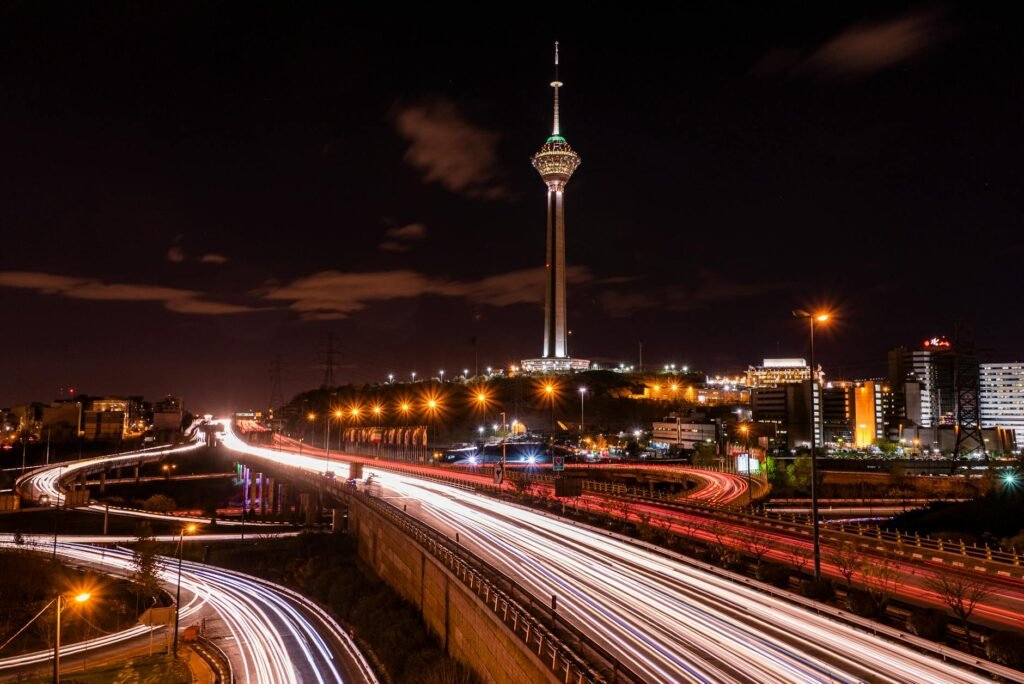
Explosions reverberated through the Iranian capital on Saturday, plunging residents into a state of anxious uncertainty as they frantically turned to their phones and social media to ascertain if the city was once again under attack. The renewed sounds of conflict in Tehran signaled a dangerous escalation in the ongoing hostilities between Iran and Israel, shattering any semblance of calm for the city’s inhabitants.
The immediate aftermath of the explosions saw a surge of activity across digital platforms, with citizens desperately seeking information and confirmation of the unfolding events. Social media feeds became a primary, albeit often chaotic, source of real-time updates, as individuals shared snippets of information, images, and personal accounts of the situation. This reliance on informal networks underscored the gravity of the moment and the immediate need for clarity amidst the confusion and fear.
As per information available with Tahir Rihat, the nature and extent of the attacks remained unclear in the initial hours following the explosions. However, the mere sound of detonations within the capital city itself represented a significant development, indicating a potential shift in the operational reach of the conflict. Residents, accustomed to the distant rumblings of geopolitical tensions, found themselves directly confronted by the visceral reality of war.
The psychological impact on the population was palpable. The frantic checking of phones and the rapid dissemination of unverified reports through social channels painted a picture of a city on edge. This immediate reaction is characteristic of populations living under the shadow of conflict, where information, even if fragmented, is a crucial tool for navigating immediate threats and understanding the evolving security landscape. The reliance on digital communication in such moments highlights its dual role as a connector and a potential amplifier of anxiety.
The renewed fighting between Iran and Israel has been a source of regional instability, with previous exchanges of fire and targeted strikes creating a volatile environment. However, the reported explosions within Tehran itself suggest a potential broadening of the conflict’s scope, bringing the direct impact of the hostilities closer to the heart of the nation. This development is likely to have significant implications for regional security dynamics and international diplomatic efforts aimed at de-escalation.
The international community has been closely monitoring the escalating tensions between Iran and Israel, with many nations calling for restraint and a diplomatic resolution to the ongoing conflict. The latest reports of explosions in Tehran are expected to intensify these calls and may prompt further diplomatic engagement to prevent a wider conflagration. The intricate web of alliances and rivalries in the Middle East means that any significant escalation in this conflict carries the potential for far-reaching consequences.
The situation on the ground in Tehran, as described by those experiencing it, was one of heightened alert and a pervasive sense of unease. The sounds of explosions, even if distant or their precise targets unknown, serve as a stark reminder of the precarious security situation. The immediate response of residents – checking phones, seeking information online – is a testament to the modern realities of conflict, where information flows rapidly, often before official confirmations are available, shaping public perception and immediate actions.
The implications of such an event extend beyond the immediate safety concerns of the population. For a nation’s capital to be directly affected by military action, even if indirectly through the sound of explosions, can have profound economic, social, and political ramifications. It can disrupt daily life, impact business activity, and potentially influence public sentiment towards the ongoing conflict and the government’s handling of it. The psychological toll of living in a city that experiences the sounds of war cannot be underestimated, fostering a climate of fear and uncertainty.
The reporting from the ground, filtered through social media and individual accounts, often paints a vivid, albeit sometimes unverified, picture of the immediate impact. This reliance on citizen reporting is a hallmark of contemporary conflicts, where the speed of information dissemination can outpace traditional newsgathering. However, it also necessitates a careful approach to verification and attribution, a challenge that news organizations constantly face in such dynamic environments.
The broader context of Iran-Israel hostilities involves a complex history of proxy conflicts, regional power struggles, and direct confrontations. Each incident, particularly those that bring the conflict closer to major population centers, raises the stakes and increases the risk of miscalculation or unintended escalation. The international response to such events is often a delicate balancing act, seeking to de-escalate tensions while also addressing the underlying causes of the conflict.
The immediate focus for residents of Tehran, as the sounds of explosions faded, would have been on gathering reliable information about the extent of the damage, any casualties, and the ongoing security situation. The collective experience of such events can forge a sense of shared vulnerability and resilience, as communities grapple with the immediate aftermath and look towards the future with a mixture of apprehension and hope for a return to normalcy.
The strategic implications of targeting or operating in proximity to a nation’s capital are significant, often signaling a deliberate attempt to exert pressure or demonstrate capability. The response from both the Iranian government and the international community to these reported explosions will be closely watched, as it will shape the trajectory of the conflict and its potential impact on regional stability.
The continuous cycle of escalation and de-escalation in the region has created a climate of persistent tension. Saturday’s events in Tehran, with residents scrambling for information amidst the sounds of explosions, underscore the human cost of these geopolitical rivalries and the urgent need for sustained diplomatic efforts to achieve lasting peace.


Tahir Rihat (also known as Tahir Bilal) is an independent journalist, activist, and digital media professional from the Chenab Valley of Jammu and Kashmir, India. He is best known for his work as the Online Editor at The Chenab Times.