


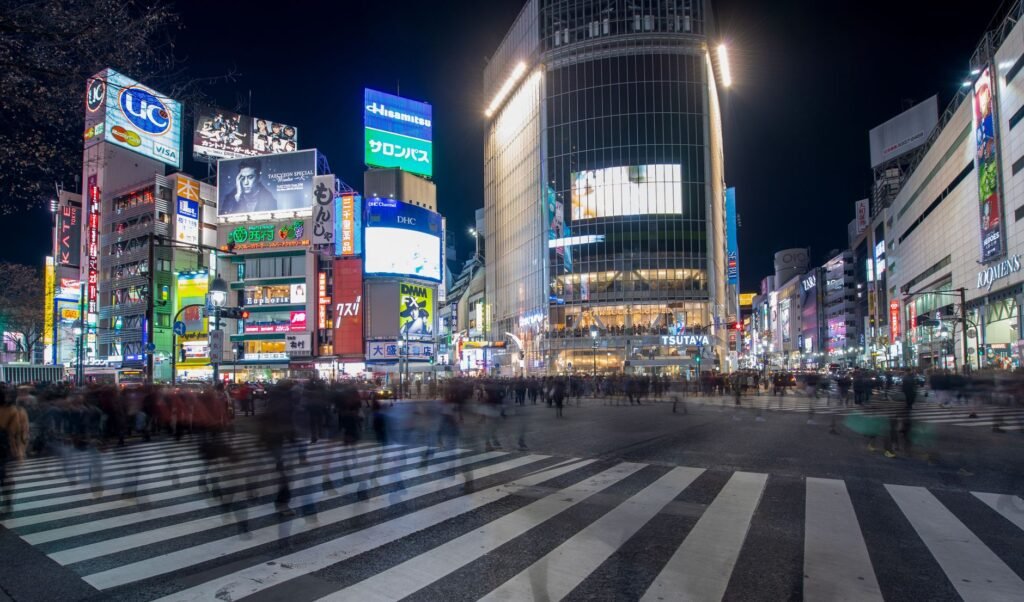
Tokyo, a city renowned for its meticulous cleanliness, is grappling with an escalating waste management challenge, particularly in its most popular tourist hubs. The Shibuya district, a pulsating epicenter of youth culture and a magnet for international visitors, has seen a dramatic increase in foot traffic, leading to a conspicuous scarcity of public trash receptacles and a subsequent rise in discarded litter. In response to this growing concern, city officials have introduced a new initiative: a dedicated ‘litter police’ patrol designed to tackle the problem head-on.
This innovative approach, as reported by The New York Times, involves deploying teams of city workers who are tasked with monitoring public spaces, educating the public about proper waste disposal, and, when necessary, issuing fines for littering offenses. The move comes as Japan, and Tokyo in particular, experiences a significant rebound in tourism following years of pandemic-related restrictions. While this influx of visitors is a welcome economic boon, it has placed an unprecedented strain on the city’s existing infrastructure, including its waste disposal systems.
Information reaching Tahir Rihat suggests that the Shibuya area, famous for its iconic scramble crossing and vibrant shopping scene, has become a focal point for this issue. The sheer volume of people passing through the district daily has overwhelmed the limited number of public bins, leading to overflowing containers and, in many cases, litter being left on sidewalks and in public areas. This situation not only detracts from the aesthetic appeal of one of Tokyo’s most celebrated districts but also poses potential public health and environmental concerns.
The newly formed litter patrols are intended to serve a dual purpose. Firstly, they act as a visible deterrent, signaling to both residents and tourists that littering will not be tolerated. Secondly, these patrols are equipped to engage with the public, offering guidance and information on where and how to dispose of waste responsibly. This educational component is crucial, as many visitors may be unaware of local regulations or the specific challenges faced by the city due to increased visitor numbers. The New York Times article highlights that the patrols are not solely focused on enforcement but also on fostering a sense of shared responsibility for maintaining the city’s cleanliness.
The implementation of these patrols signifies a proactive stance by Tokyo’s municipal government. It acknowledges the direct correlation between increased visitor numbers and the heightened pressure on public services, including waste management. The strategy aims to strike a balance between welcoming international tourism and preserving the quality of life for its residents. By actively addressing the litter problem, Tokyo seeks to uphold its reputation as a clean and orderly metropolis while continuing to attract global travelers. The effectiveness of this new initiative will likely be closely watched, both domestically and internationally, as other major tourist destinations face similar challenges in managing the impact of burgeoning visitor economies.
The patrols operate with a clear mandate to enforce existing anti-littering laws, which can carry significant fines. However, the emphasis, at least initially, appears to be on education and persuasion. The goal is to encourage a behavioral shift among those who may be less mindful of their waste disposal habits in a busy urban environment. The presence of uniformed patrols in key areas is expected to prompt greater awareness and compliance. The New York Times noted that the patrols are trained to be courteous yet firm, ensuring that their presence is felt without creating an overly punitive atmosphere. This approach is seen as vital for maintaining positive relations with both the local community and the transient tourist population.
The scarcity of trash cans in high-traffic areas like Shibuya has been a long-standing issue, exacerbated by the recent surge in tourism. While Tokyo is known for its efficient public transportation and well-maintained streets, the sheer volume of people concentrated in certain districts can overwhelm even the most robust systems. The introduction of the litter police is a direct response to this specific challenge, aiming to supplement existing waste collection services and provide a more immediate, on-the-ground presence to manage the problem. The strategy reflects a broader understanding that urban cleanliness is not just about infrastructure but also about human behavior and effective public engagement.
The initiative also underscores the economic importance of maintaining Tokyo’s pristine image. A clean and attractive city is a key selling point for tourists, contributing significantly to the local economy. Any perception of declining cleanliness could have a detrimental effect on visitor numbers and, consequently, on businesses that rely on tourism. Therefore, the investment in these patrols can be seen as a strategic move to protect and enhance Tokyo’s global appeal. The New York Times article suggests that this is part of a larger effort by the city to adapt to the post-pandemic tourism landscape, which is characterized by both opportunities and new challenges.
The long-term success of the litter police initiative will depend on several factors, including the consistency of enforcement, the effectiveness of public education campaigns, and the potential for further investment in waste management infrastructure. As visitor numbers continue to grow, the city may need to explore more permanent solutions, such as increasing the number of public trash receptacles or implementing more advanced waste sorting and recycling programs. However, for the immediate future, the patrols represent a tangible and visible effort to address a pressing issue in one of Tokyo’s most iconic urban spaces.
The patrols are expected to cover not only Shibuya but also other popular tourist destinations that may be experiencing similar problems. This comprehensive approach aims to ensure that the benefits of increased tourism are not overshadowed by a decline in the city’s overall cleanliness. The commitment to maintaining a high standard of public hygiene is a hallmark of Tokyo’s urban management, and this new initiative reflects a determination to uphold that standard in the face of evolving challenges. The New York Times report indicated that the patrols are equipped with communication devices to report issues and coordinate with other city services, suggesting a well-integrated operational framework.
The introduction of a ‘litter police’ force is a novel solution to a modern urban problem, blending enforcement with public outreach. It highlights the dynamic nature of city governance, which must constantly adapt to changing social and economic conditions. As Tokyo navigates the complexities of a resurgent tourism sector, its efforts to maintain cleanliness and order will be a critical factor in its continued success as a global city. The patrols serve as a reminder that even in a city as advanced as Tokyo, the fundamentals of civic responsibility and public service remain paramount in ensuring a high quality of urban life for all.


Tahir Rihat (also known as Tahir Bilal) is an independent journalist, activist, and digital media professional from the Chenab Valley of Jammu and Kashmir, India. He is best known for his work as the Online Editor at The Chenab Times.