


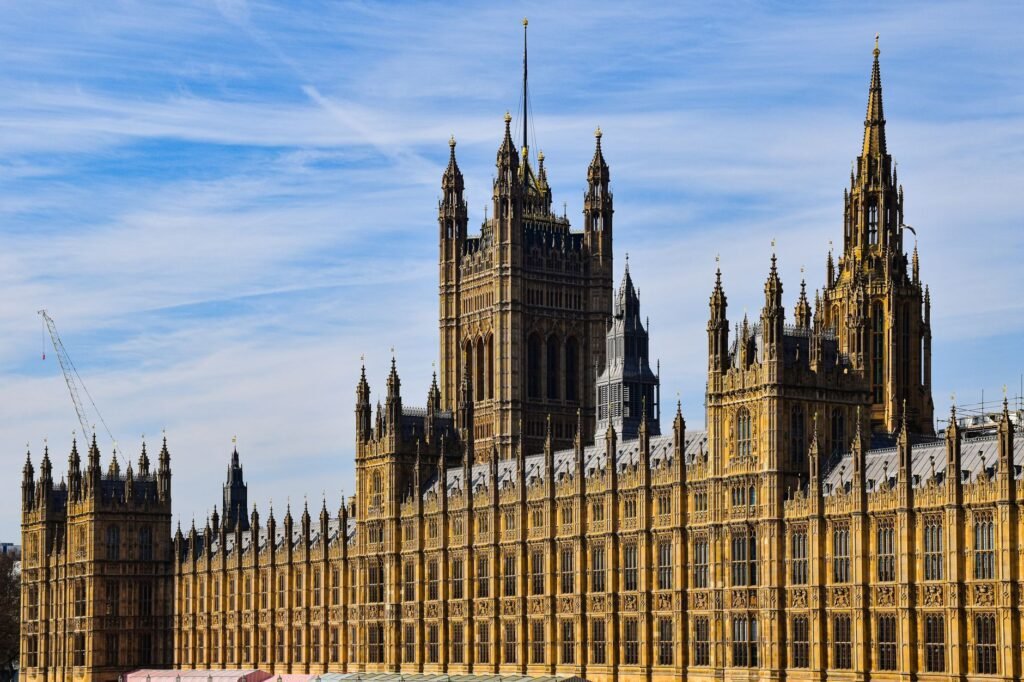
Prime Minister Keir Starmer has stepped down as the leader of the governing Labour Party, marking a significant shift in the United Kingdom’s political landscape. The announcement, which reverberated through Westminster, signals the end of Starmer’s tenure at the helm of the party.
Following Starmer’s resignation, Andy Burnham, widely regarded as the Labour Party’s most popular politician, has declared his intention to seek the position of Prime Minister. Information reaching Tahir Rihat suggests that Burnham has already secured the crucial support of a potential rival, a move that could consolidate his bid for leadership. This development is expected to trigger a swift leadership contest within the Labour Party, with Burnham now positioned as a frontrunner.
The departure of Keir Starmer from the leadership role comes at a critical juncture for the Labour Party, which has been navigating complex political challenges. His decision to resign is likely to be analyzed extensively in the coming days, with commentators seeking to understand the factors that led to this outcome. The BBC reported that Starmer’s resignation was a personal decision, though the exact circumstances and pressures leading to it remain a subject of speculation within political circles.
Andy Burnham, currently serving as the Mayor of Greater Manchester, has cultivated a strong public profile and is often cited as a potential successor to national leadership roles. His announcement to contest the Prime Minister’s job, if successful in securing the party leadership, would place him in a direct contest for the nation’s highest office. The endorsement from a potential rival, as reported by The Guardian, is a strategic move aimed at streamlining the leadership race and presenting a united front for the party. This endorsement, according to sources close to the Labour Party, signifies a willingness among key figures to rally behind a single candidate to maximize their chances in future elections.
The political climate in the United Kingdom has been dynamic, with the Labour Party seeking to regain electoral ground. Starmer’s leadership was characterized by efforts to reposition the party following previous electoral setbacks. His resignation now opens a new chapter, one that will be defined by the ensuing leadership battle and the policy directions that emerge from it. The New York Times noted that Starmer’s resignation has sent shockwaves through the party, prompting immediate discussions about the future direction and strategy.
Burnham’s appeal is often attributed to his perceived ability to connect with a broad range of voters, a quality that Labour strategists have long sought to harness. His tenure as Mayor of Greater Manchester has seen him champion various initiatives, particularly in areas of public services and regional development. These experiences, coupled with his national political acumen, position him as a formidable candidate for the party’s top position. The endorsement he has garnered is seen as a testament to his influence within the party’s parliamentary ranks and its broader membership base. According to The Times, the rival who endorsed Burnham has stated that it was in the best interest of the party to coalesce around a strong candidate early in the process.
The implications of this leadership change for the Labour Party and the broader UK political scene are substantial. A new leader will inevitably bring a fresh perspective and potentially a revised policy agenda. The coming weeks are expected to be dominated by the internal party contest, with candidates outlining their visions for the future of Labour. The process will likely involve hustings, debates, and a vote by party members and affiliated organizations. The outcome will not only determine the next leader of the Labour Party but also shape the opposition’s stance and its potential to challenge the incumbent government in the next general election.
The political analysts are closely watching the developments, with many suggesting that Burnham’s strong showing in opinion polls and his established public persona make him a compelling contender. However, the Labour leadership race is often unpredictable, and other candidates may emerge to challenge his position. The party’s internal dynamics and the preferences of its membership will ultimately decide who takes the reins. The BBC‘s political editor commented that the race is now Burnham’s to lose, but cautioned that the parliamentary party still has significant influence in the selection process.
The resignation of Keir Starmer, a former Director of Public Prosecutions, marks the end of a significant period for the Labour Party. His leadership was tasked with rebuilding trust and presenting a credible alternative government. The challenges he faced were considerable, and his departure will undoubtedly lead to a thorough examination of the party’s performance and its strategic direction. The coming leadership contest will be a crucial test for Labour as it seeks to articulate a compelling vision for the country and to present itself as a government-in-waiting. The political future of the United Kingdom will be significantly influenced by the choices made by the Labour Party in the immediate aftermath of this pivotal announcement.


Tahir Rihat (also known as Tahir Bilal) is an independent journalist, activist, and digital media professional from the Chenab Valley of Jammu and Kashmir, India. He is best known for his work as the Online Editor at The Chenab Times.