


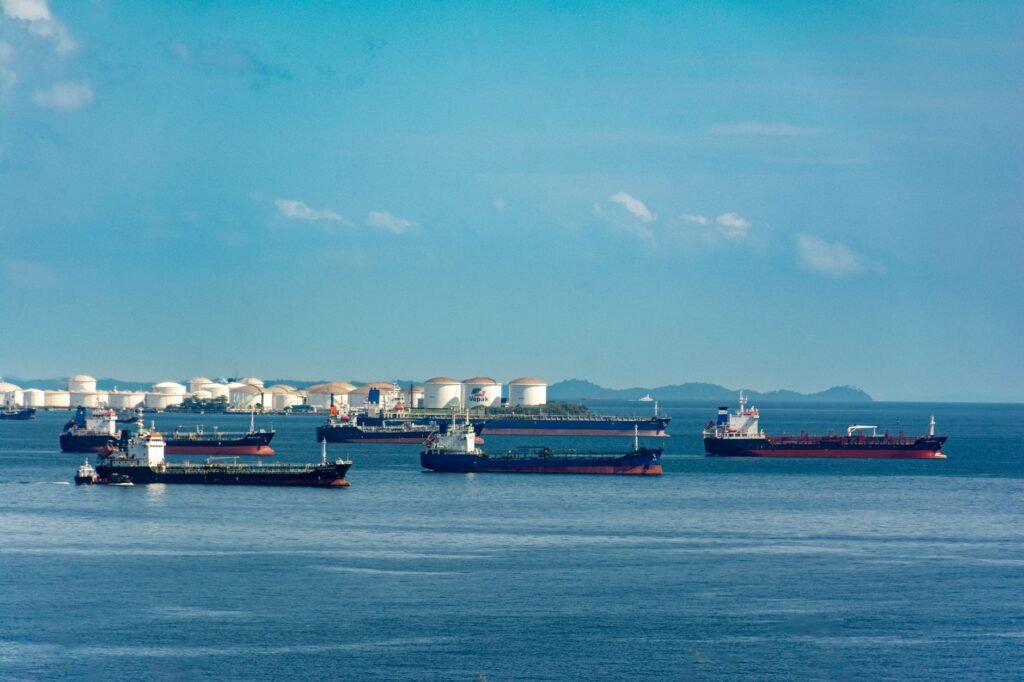
In a significant move highlighting ongoing tensions and efforts to circumvent international sanctions, British forces have intercepted a Russian oil tanker operating within Moscow’s “shadow fleet.” This operation marks the first instance of British forces acting independently to detain a vessel belonging to this clandestine network of ships, which Russia reportedly utilizes to transport fuel and evade economic restrictions.
The “shadow fleet” is a term used to describe a collection of aging oil tankers, often acquired by opaque entities and operating under flags of convenience, that have become instrumental in Russia’s efforts to continue its oil exports despite Western sanctions imposed following its full-scale invasion of Ukraine. These vessels are frequently criticized for their poor safety standards and their role in facilitating the continued flow of Russian energy to global markets, often at discounted prices.
As per information available with Tahir Rihat, the interception underscores the complex cat-and-mouse game being played out on international waters, where nations are attempting to enforce sanctions while others are seeking to circumvent them. The British Ministry of Defence confirmed the action, emphasizing its unilateral nature. This suggests a heightened level of assertiveness by the UK in disrupting what it views as illicit trade and a violation of international norms.
The specific details of the tanker, its cargo, and its intended destination have not yet been fully disclosed. However, the operation itself sends a clear message to Russia and to the operators of these shadow fleet vessels. It indicates that maritime authorities are increasingly scrutinizing the activities of these ships and are prepared to take direct action. The effectiveness of sanctions often hinges on the ability to restrict the movement of goods, and by intercepting a vessel involved in this trade, the UK is directly impacting Russia’s ability to generate revenue from its oil exports.
The “shadow fleet” has grown considerably in recent years, with many vessels reportedly being purchased by Russian entities or those sympathetic to Moscow’s interests. These ships often operate with limited insurance coverage and are known to switch off their tracking transponders, making them difficult to monitor. Their use has also raised concerns about environmental risks due to their age and the potential for accidents at sea.
The incident is likely to intensify discussions among international partners about coordinated efforts to further tighten the noose around Russia’s energy exports. While G7 nations have implemented price caps on Russian oil, the shadow fleet has been a key mechanism for Russia to sell its oil above these caps and to countries that have not fully aligned with Western sanctions. The UK’s independent action could prompt other nations to consider similar measures, potentially leading to a more significant disruption of Russian oil flows.
The broader implications of this interception extend beyond the immediate seizure of a single vessel. It signals a potential shift in enforcement strategies, moving from broad policy measures to more direct, on-the-water interventions. This could lead to increased maritime security operations and a greater risk for operators of shadow fleet tankers, who may find themselves increasingly vulnerable to interdiction.
Furthermore, the incident highlights the ongoing geopolitical maneuvering between Russia and Western nations. Russia has consistently sought to mitigate the impact of sanctions, and the development of the shadow fleet is a testament to its adaptability. However, this interception demonstrates that such strategies are not without their risks and that international resolve to counter these circumvention tactics remains strong. The coming days and weeks will likely reveal more about the specific circumstances of the seizure and any potential diplomatic or legal ramifications.


Tahir Rihat (also known as Tahir Bilal) is an independent journalist, activist, and digital media professional from the Chenab Valley of Jammu and Kashmir, India. He is best known for his work as the Online Editor at The Chenab Times.